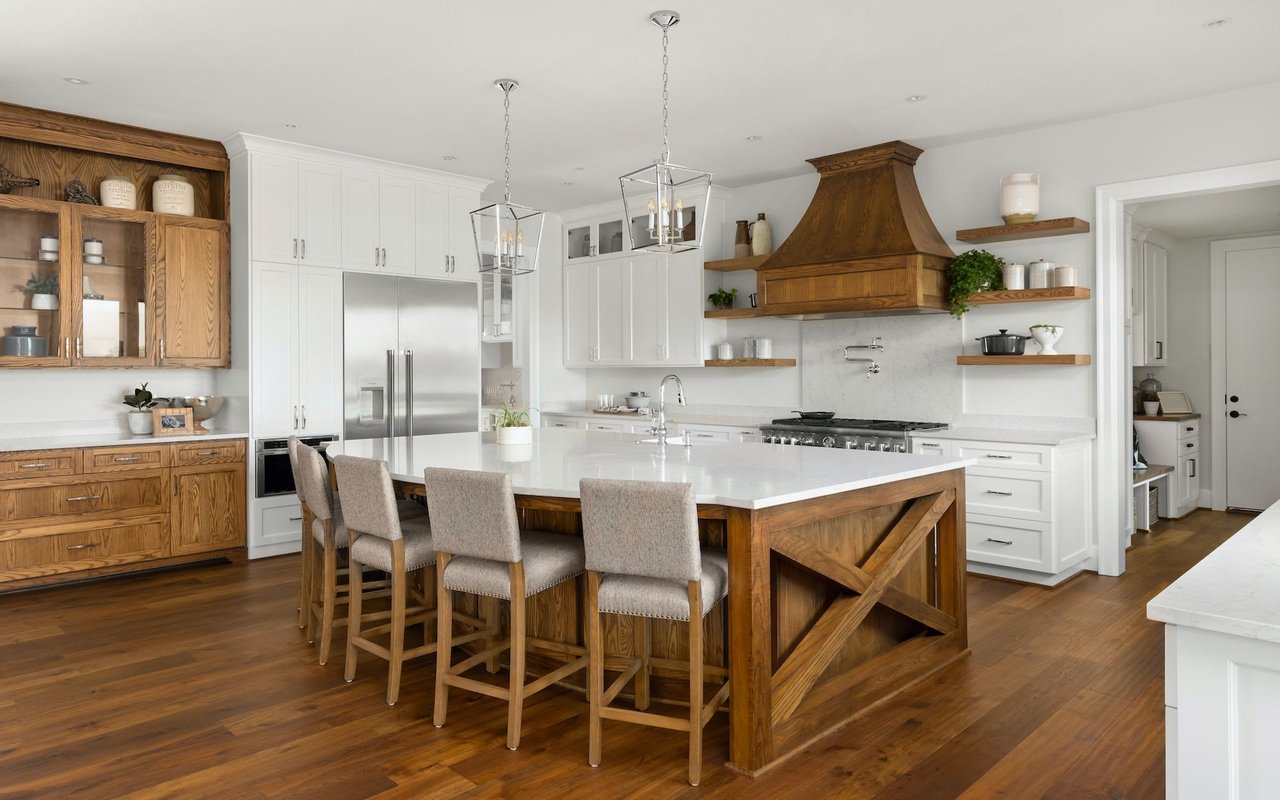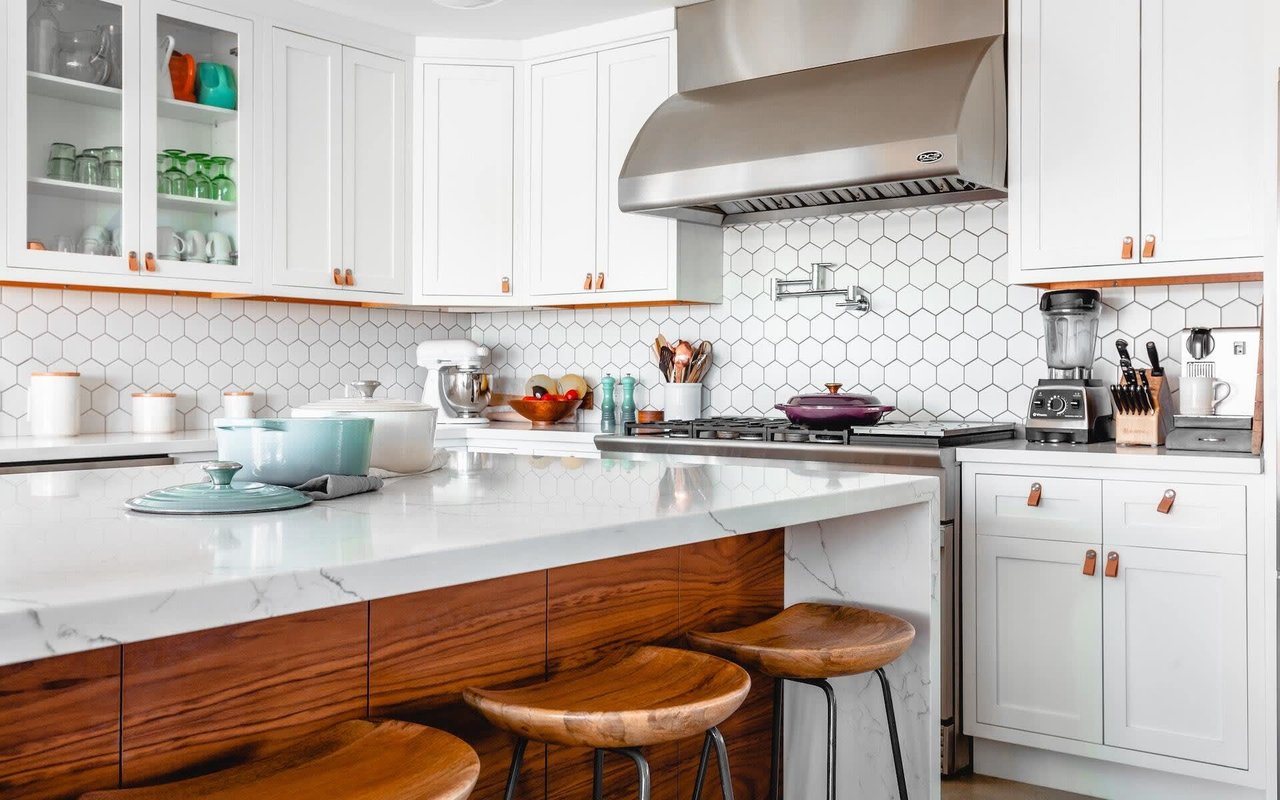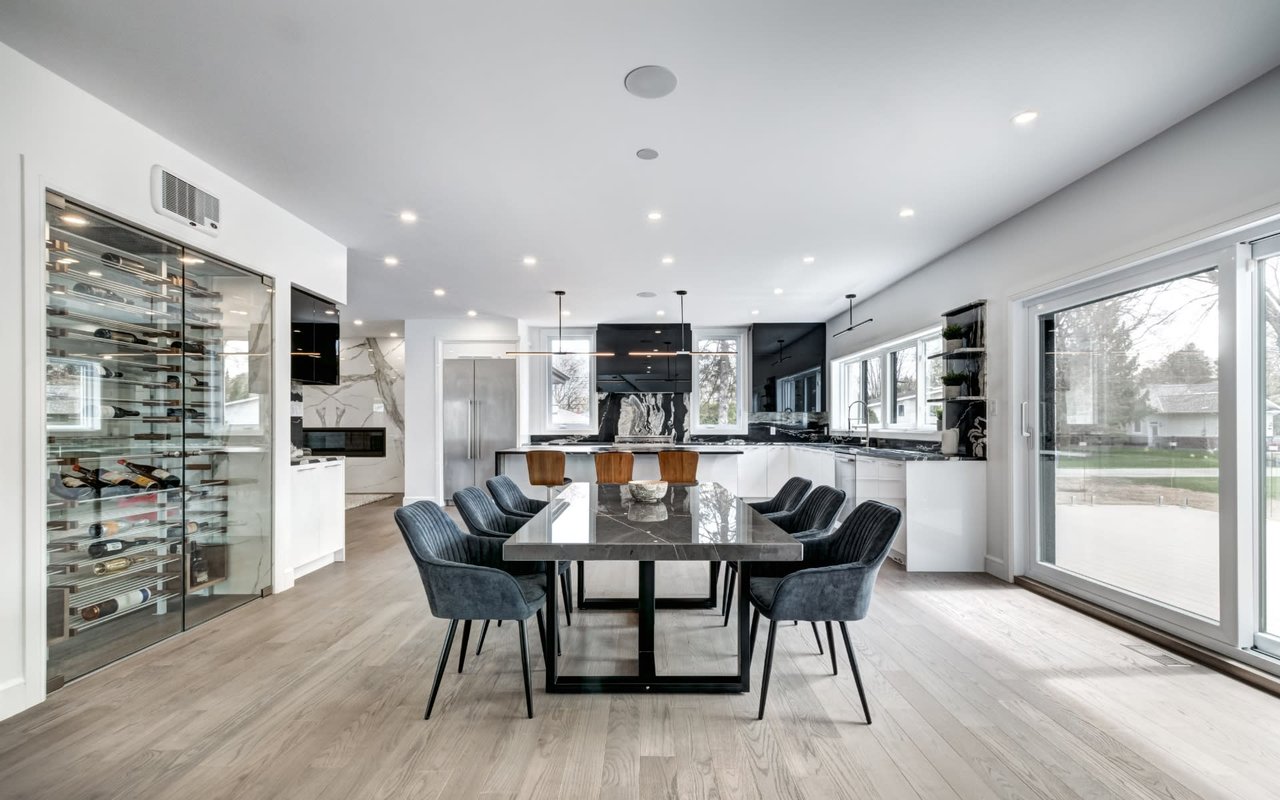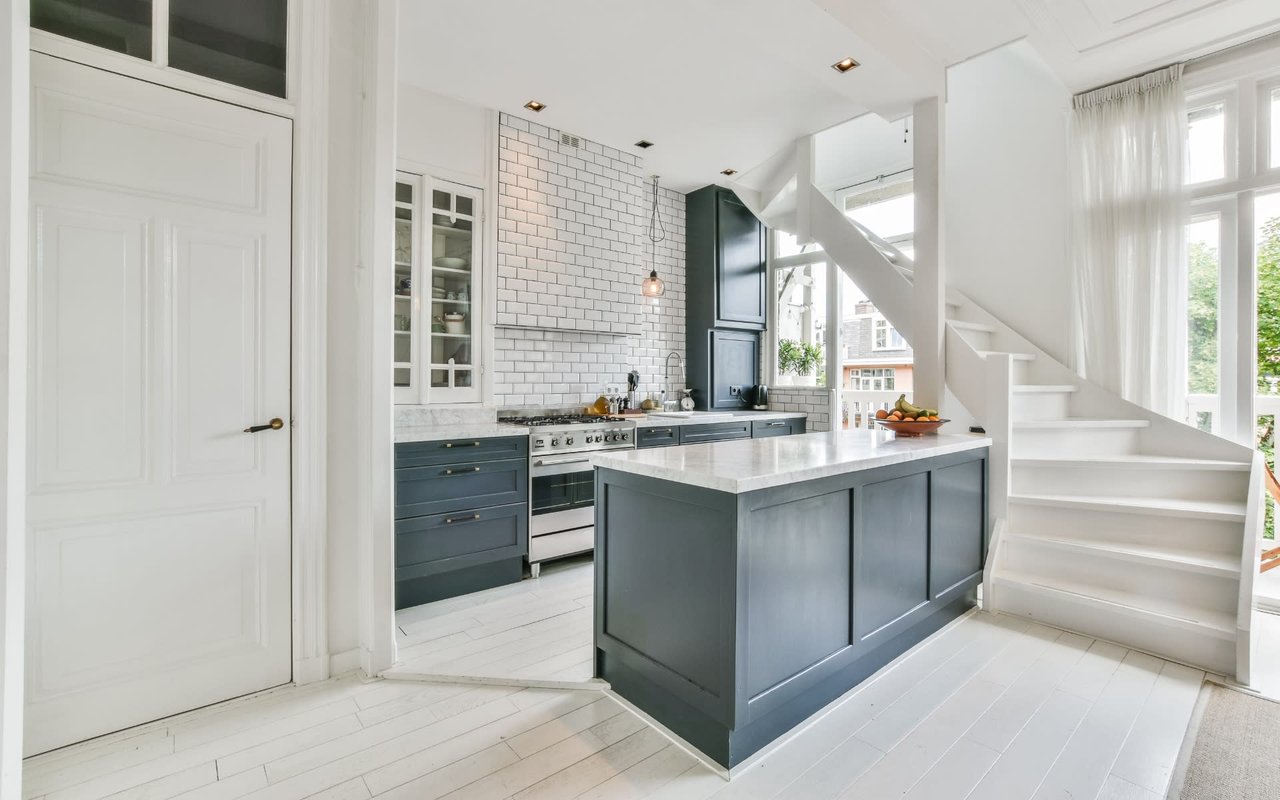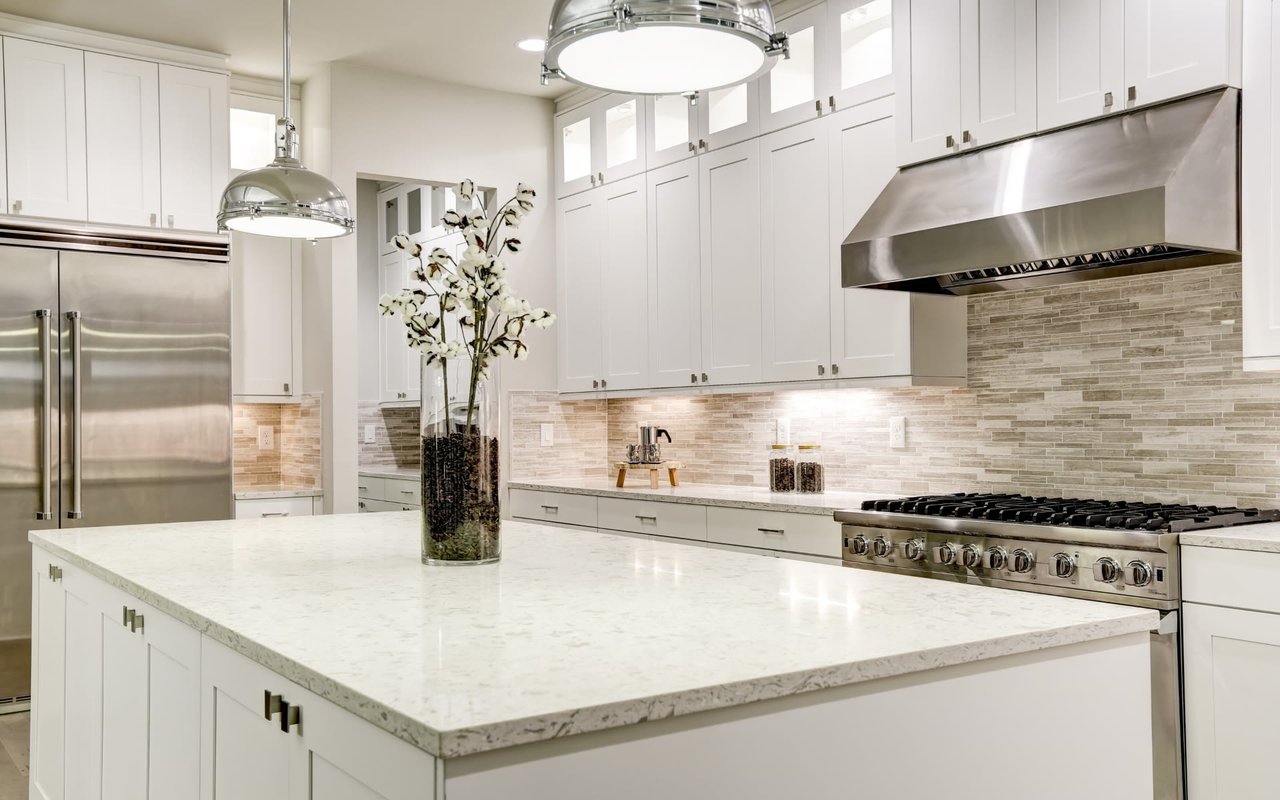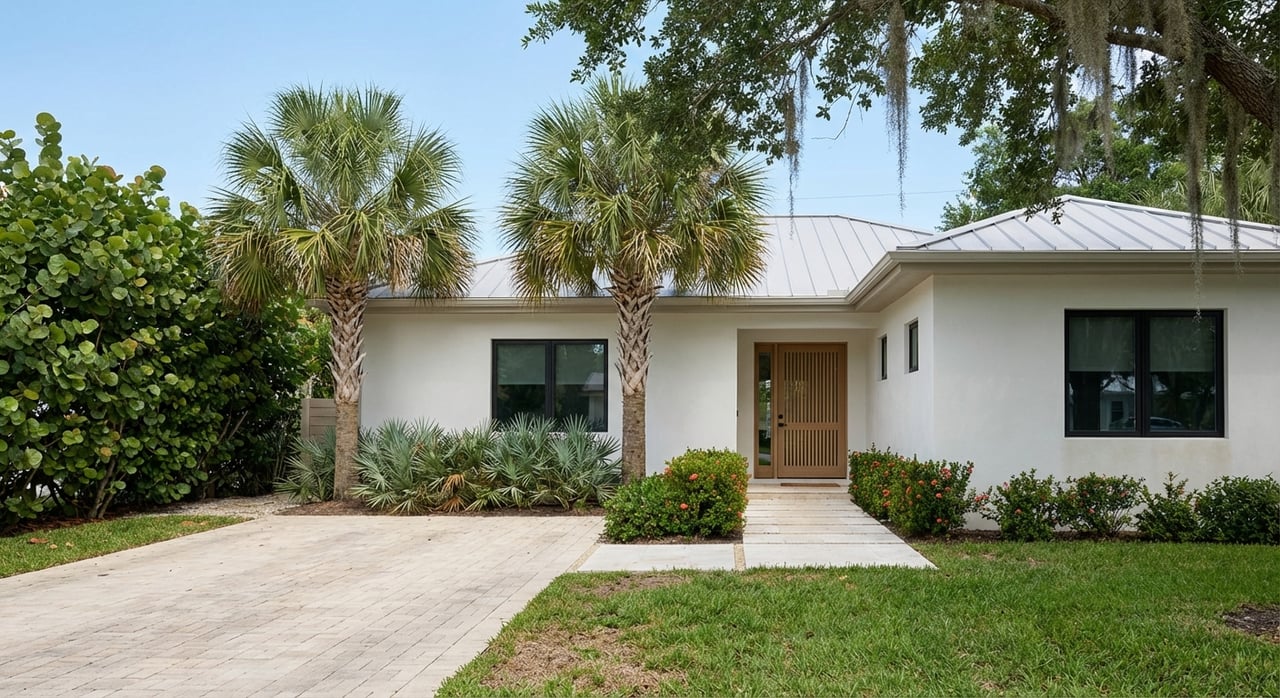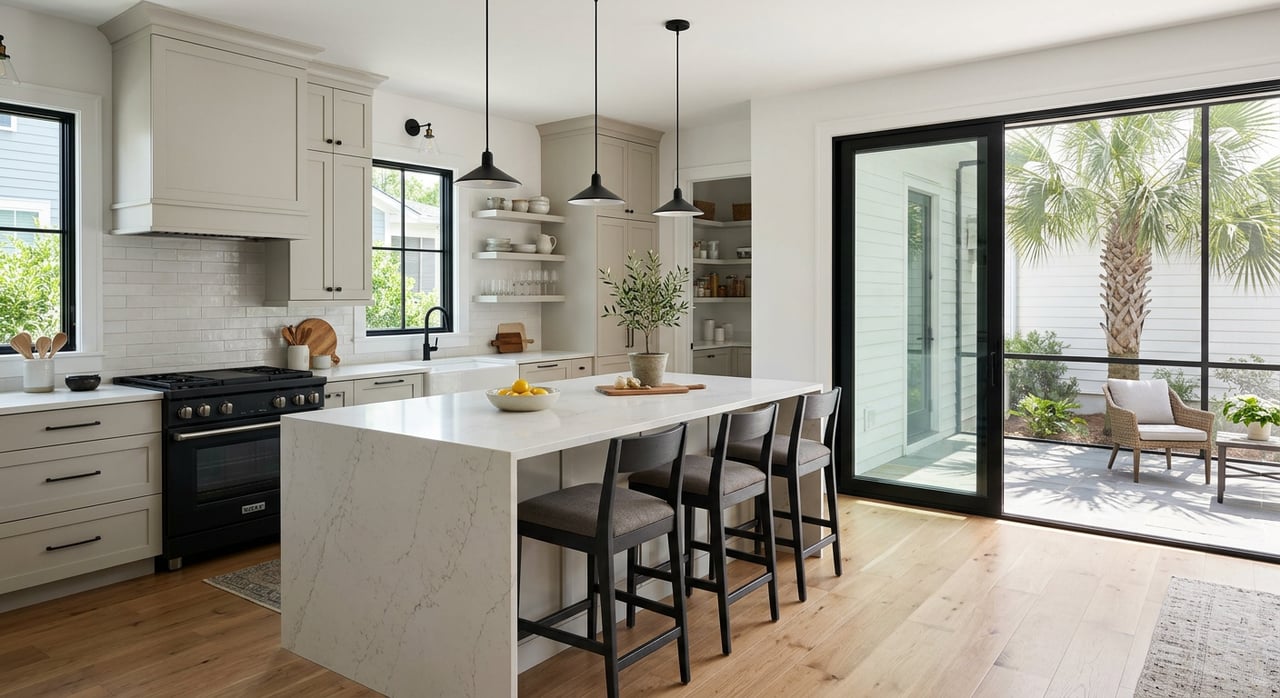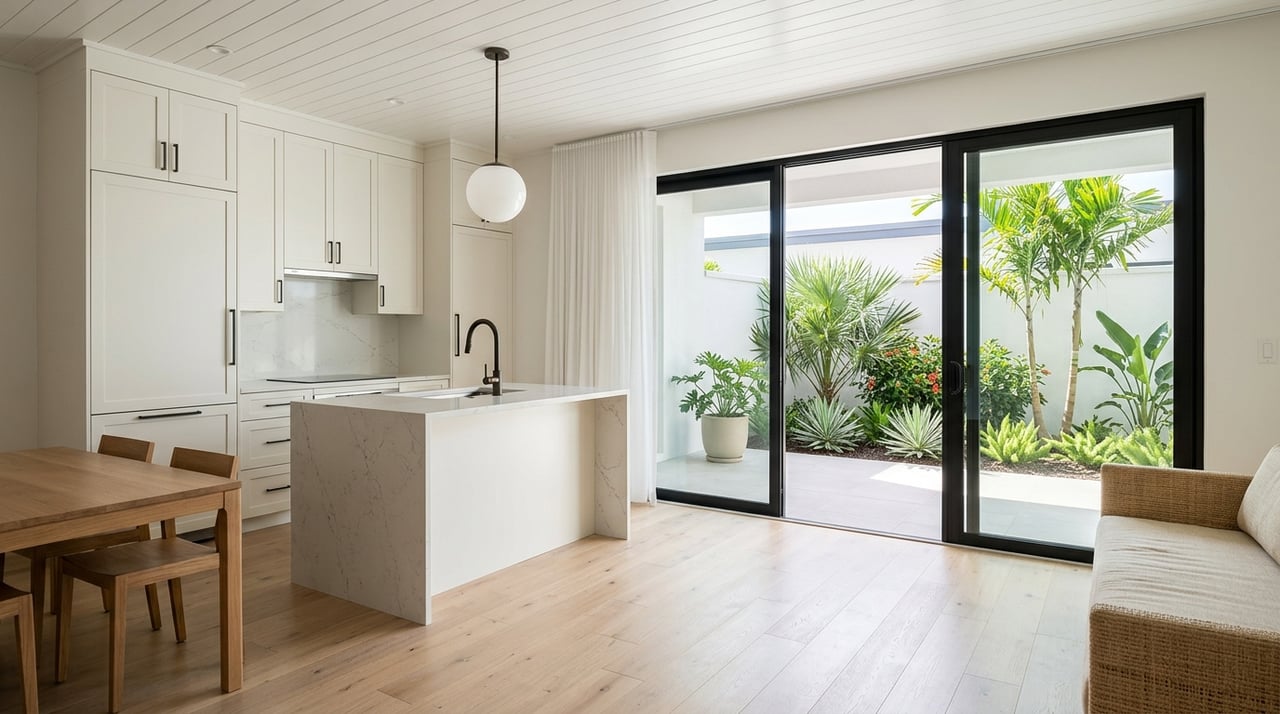
You see “turnkey furnished” on a Siesta Key listing and wonder what that really means. Are you walking into a place with everything from silverware to smart TVs, or will you still need a shopping cart and a moving van? If you are buying from out of state or planning to rent right away, the details matter. In this guide, you will learn what “turnkey furnished” typically includes on Siesta Key, what to confirm in writing, and how to protect your purchase from afar. Let’s dive in.
What turnkey furnished means
“Turnkey furnished” generally means a property is ready for immediate occupancy or rental. The essentials are in place so you can unlock the door and start living or hosting guests without major setup. Think beds, sofas, basic kitchenware, linens, and working appliances.
The term is not standardized or legally defined. Sellers, listing brokers, and property managers use it in different ways. You will also see variations like “move-in ready,” “rental-ready,” “fully furnished,” or “partially furnished.” Always ask for specifics in writing.
On Siesta Key, many properties serve seasonal residents and short-term rentals. That means “turnkey” often leans toward rental-ready packages with guest inventories, multiple sets of linens, and outdoor beach gear. Your expectations should match the property type and the association’s rules.
Local context on Siesta Key
Siesta Key is a high-demand Gulf Coast island with strong seasonal and vacation-rental activity. Many condos and homes are marketed to snowbirds and investors who want minimal setup and fast time to use. That said, what is included varies by building and owner. Condos, single-family homes, and condo-hotels may handle inventories and handovers differently, especially where property management is involved.
Typical inclusions on Siesta Key
While every listing is different, “turnkey furnished” on Siesta Key often includes:
- Major furniture: beds, dressers, nightstands, sofa or sectional, dining table and chairs.
- Appliances: refrigerator, range or oven, microwave, dishwasher, and often a washer and dryer (in-unit or shared access depending on the building).
- Kitchenware: cookware, dishes, cutlery, and small appliances such as a coffee maker, toaster, or blender.
- Linens and towels: bed linens and bath towels, plus extra sets for rental-ready setups.
- Decor and soft goods: lamps, area rugs, curtains, and artwork at the seller’s discretion.
- Electronics: TVs, often smart-capable; internet or cable equipment if included with the property or association.
- Outdoor and beach gear: chairs, umbrellas, coolers, beach cart, and beach towels are common extras.
- Outdoor furniture: seating for balconies, patios, or pool areas if present.
- Basic cleaning items: starter supplies, trash bins, and in rental-ready cases a guest binder or manual.
- Access items: keys, garage remotes, gate codes, pool passes, parking decals if transferable.
Common exclusions to confirm
Do not assume everything you see conveys. These items are often excluded unless you put them in writing:
- Personal keepsakes, family photos, and sentimental artwork.
- High-value personal items such as jewelry or owner’s electronics not listed as included.
- Consumables like food and toiletries.
- Items restricted by an association such as certain balcony furniture or grills.
- Anything subject to a third-party lease or property management agreement that is not transferable.
- Seasonal or high-wear items the owner plans to remove or replace prior to closing.
Condition and quality expectations
“Turnkey” signals functionality, not a warranty. Appliances should work and furnishings should be suitable for use, but wear and tear is common. For rentals, you may receive a basic guest-ready inventory rather than brand-new items.
Plan to verify working condition during inspections and the final walkthrough. If you are buying remotely, use live video tours and request close-up photos and serial numbers for key appliances and electronics. Independent inventory services can document condition and reduce disputes.
Make it official in the contract
The cleanest way to protect your expectations is to attach a detailed inventory to the purchase contract and transfer it via a bill of sale at closing. Here is what to request and include:
- Itemized inventory list: description, quantity, and location for each room and exterior space.
- Condition notes and date-stamped photos taken near listing or conveyance.
- Serial numbers and any transferable warranties for appliances and electronics.
- Bill of sale or a signed personal property addendum to the contract.
- For rental-ready sales: the current property management agreement, linens count, guest supplies, and how upcoming reservations and deposits will be handled.
Clear language helps. Consider proposals like:
- “Seller to convey the attached inventory list (Exhibit A) and execute Bill of Sale for all listed items at closing.”
- “If any items in Exhibit A are missing or non-functional at final walkthrough, seller to credit buyer an agreed amount or replace within a set timeframe.”
- “Seller will transfer booking calendar and remit prepaid guest funds under the terms of Exhibit B.”
HOA and local rules to review
On Siesta Key, association rules can shape what “turnkey” actually means for use and rental. Before you assume anything, review:
- Rental policies: minimum stay requirements, permitted rental frequency, and any waiting periods for new owners.
- Use rules: balcony furniture types, grill policies, and storage for beach gear.
- Parking and storage: transferability of parking decals, storage lockers, and any boat or trailer rules.
- Management policies: whether you can continue existing short-term rentals immediately and how handovers are handled.
Request the condominium documents, bylaws, rules, and any reserve or building reports. Your plan for personal use or rentals should match the association’s policies before you commit.
Insurance, lending, and tax notes
- Insurance: A documented personal property inventory helps you set the right contents coverage and support any claims. If you will rent, ask about liability coverage for guests.
- Financing: Lenders generally loan on the real property, not the furniture. Significant personal property should be documented and transferred via a separate bill of sale if your lender requests it.
- Taxes: Real property taxes do not cover personal property. For rental owners, items like appliances and furniture may be depreciated for income tax purposes. Consult your tax professional.
Hurricane season readiness
Siesta Key is coastal, so safety and storm prep are part of a true turnkey experience. Confirm:
- Storm protection: presence and working condition of shutters, rated windows, and any hurricane straps or panels.
- Safety equipment: smoke and carbon monoxide detectors, pool safety items, and exterior lighting compliance.
- Access and controls: keys to shutters and panels, garage door openers, water and electrical shut-off instructions.
- Supplies: whether you need to add emergency items post-closing if they are not included.
Remote buyer playbook
If you are purchasing from out of state, build a simple process that reduces surprises:
- Ask for a live virtual tour and a recorded walkthrough that covers every room, balcony, storage locker, and exterior area.
- Request close-ups of serial numbers for HVAC, water heater, major appliances, smart locks, and routers.
- Hire a local home inspector and, for high-value or rental-ready sales, a third-party inventory specialist.
- Add a contract clause for inventory verification and a final walkthrough to confirm items.
- Clarify transfer of all keys, codes, remotes, Wi‑Fi credentials, and TV or streaming logins that convey.
Closing and handover checklist
Use this quick list to move from contract to a smooth first stay or guest check-in:
- Attach a signed inventory to the purchase contract and include a bill of sale for personal property.
- Agree in writing on how to handle bookings, deposits, and prepaid management fees.
- Confirm prorations and any credits for missing or non-working items discovered at walkthrough.
- Collect warranties, manuals, and vendor contacts for appliances and electronics.
- If using a property manager, schedule a formal handover and inventory check with housekeeping and linen suppliers identified.
- Update insurance for contents and rental liability and confirm your storm plan.
When turnkey means rental-ready
If you plan to rent right away, look for signals that the property is truly guest-ready:
- Multiple sets of linens and towels with storage solutions that meet housekeeping needs.
- Durable, easy-to-clean furniture suited to guest turnover.
- Clear guest instructions, check-in details, and emergency contacts.
- Existing online listing assets that can transfer, such as photos and descriptions, plus clarity on who manages booking accounts after closing.
Work with a local advisor
“Turnkey furnished” on Siesta Key should remove friction, not add it. The key is clarity. Define what conveys, verify condition, match your plans to the association rules, and line up a smooth handover if you are renting. If you want a second set of eyes on inventory, contracts, or rental-readiness, our family-led team can help you navigate each step. Schedule your Complimentary Coastal Consultation with SRQ Coastal Living.
FAQs
What does “turnkey furnished” mean on Siesta Key?
- It usually means the property includes furniture, basic household goods, and working appliances so you can move in or rent with minimal setup, but the exact items must be listed in writing.
How is “rental-ready” different from move-in ready?
- Rental-ready often includes multiple sets of linens, beach gear, guest supplies, and a property-management handover plan, while move-in ready focuses on everyday living needs for owners.
What should be in the inventory and bill of sale?
- A line-item list with quantities, locations, condition notes, photos, serial numbers for key items, and a signed bill of sale that conveys personal property at closing.
Can association rules affect what I can include or use?
- Yes, many Siesta Key condos limit balcony furniture types, grill use, storage, and short-term rental activity, so review CC&Rs and rules before finalizing your plan.
What if items are missing at the final walkthrough?
- Use contract language that allows a credit, replacement within a defined window, or an escrow holdback until the issue is resolved.
How do lenders treat furniture and other personal property?
- Lenders usually base loans on real property value, not furniture, so substantial personal property should be documented separately and transferred via a bill of sale.
Are hurricane shutters and safety items included in “turnkey”?
- They may be present, but you should confirm which storm protection items convey, verify they work, and ensure you receive keys or tools needed for use.
Can I take over existing short-term bookings?
- Often yes, but you need a written agreement detailing booking transfers, guest funds, management responsibilities, and any required association approvals.