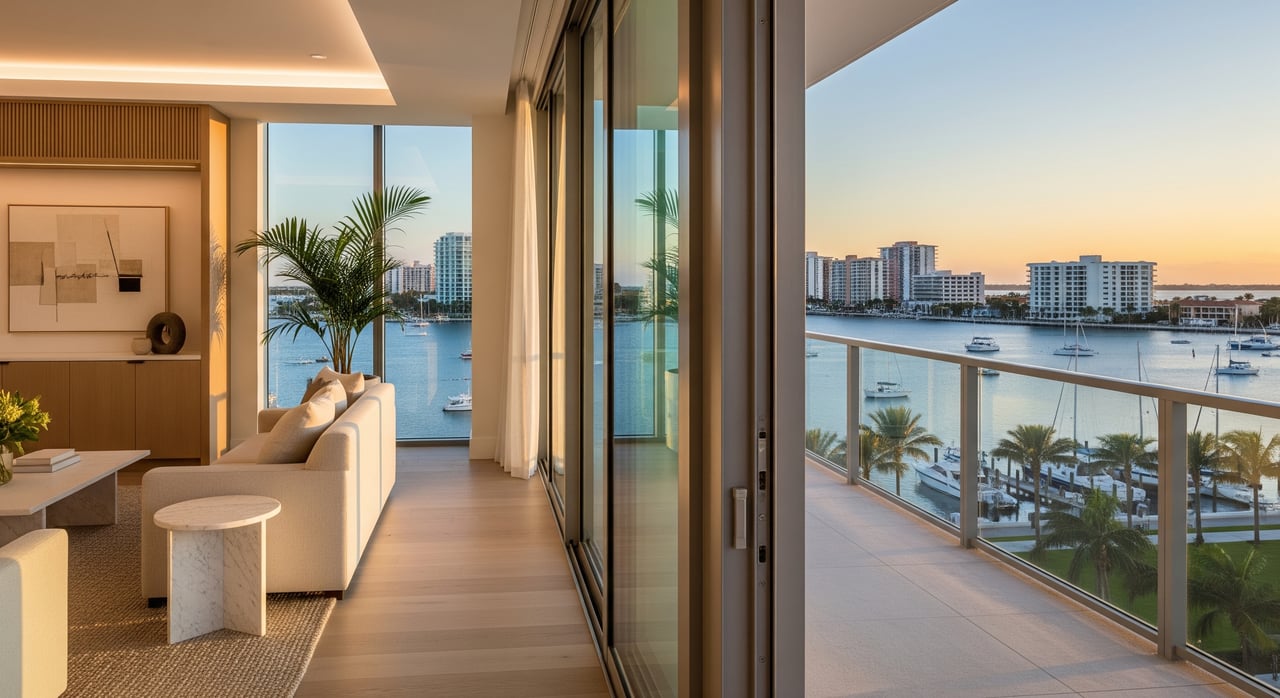
Ever picture yourself waking up steps from the bay, strolling to coffee, and catching a show without getting in the car? If that sounds appealing, a downtown Sarasota condo might be calling your name. You want a clear view of the lifestyle, costs, and responsibilities before you commit. In this guide, you’ll learn what downtown living really looks like, what to ask before you tour, and how to decide if it fits your goals. Let’s dive in.
Downtown lifestyle at a glance
Walkability and culture
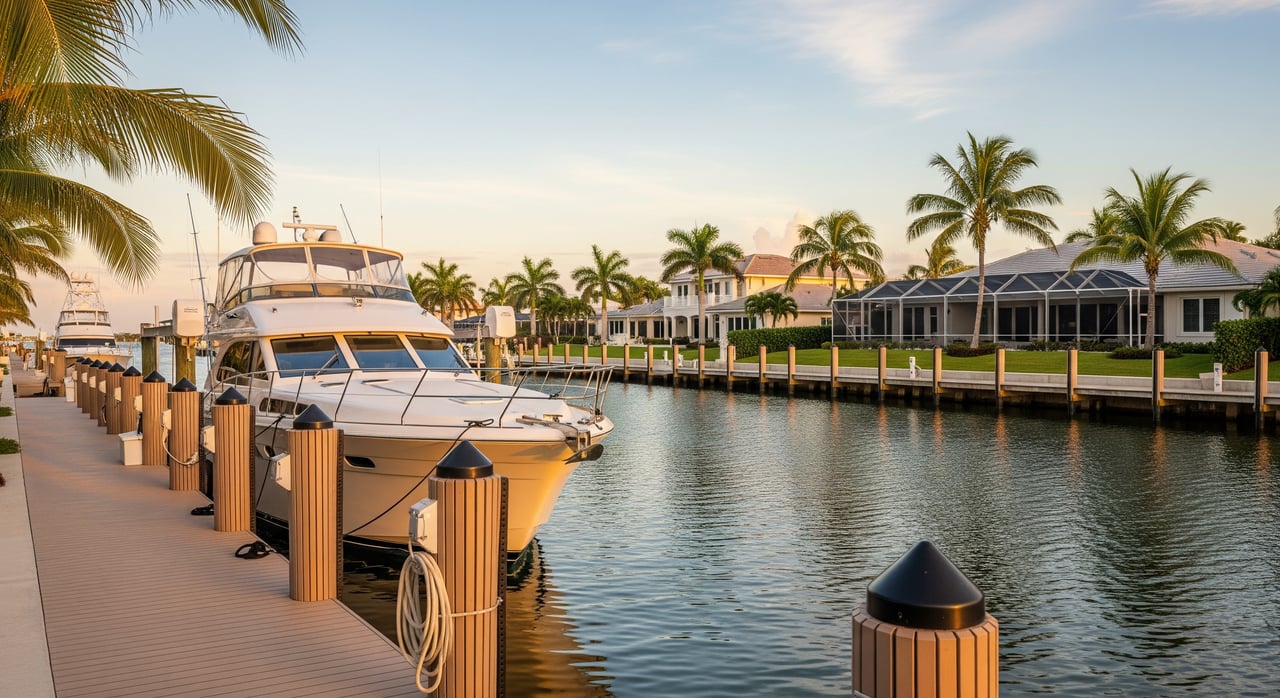
Downtown Sarasota is the region’s cultural core with restaurants, boutiques, galleries, and waterfront parks clustered around Bayfront Park and Marina Jack. You can often walk to daily errands and performances at venues like the Van Wezel Performing Arts Hall. Many residents value this convenience and the energy that comes with it. For unit-by-unit context, you can check Walk Score for any address to compare walkability and nearby transit.
Getting around
Most downtown residents still keep a car for bigger grocery runs or trips beyond the core. Rideshare options and local bus routes serve the area. Beaches on Lido Key and Siesta Key are a short drive compared with many suburban locations. If you plan to commute, test your route at typical rush hours to see how it feels.
Seasonality and vibe
Sarasota’s winter season brings more people, longer hours for businesses, and a lively downtown scene. With that comes more foot traffic and sometimes extra noise or tighter parking. Visit buildings at different times of day and week to get a true read on the vibe you prefer.
Building types and amenities
What you can expect
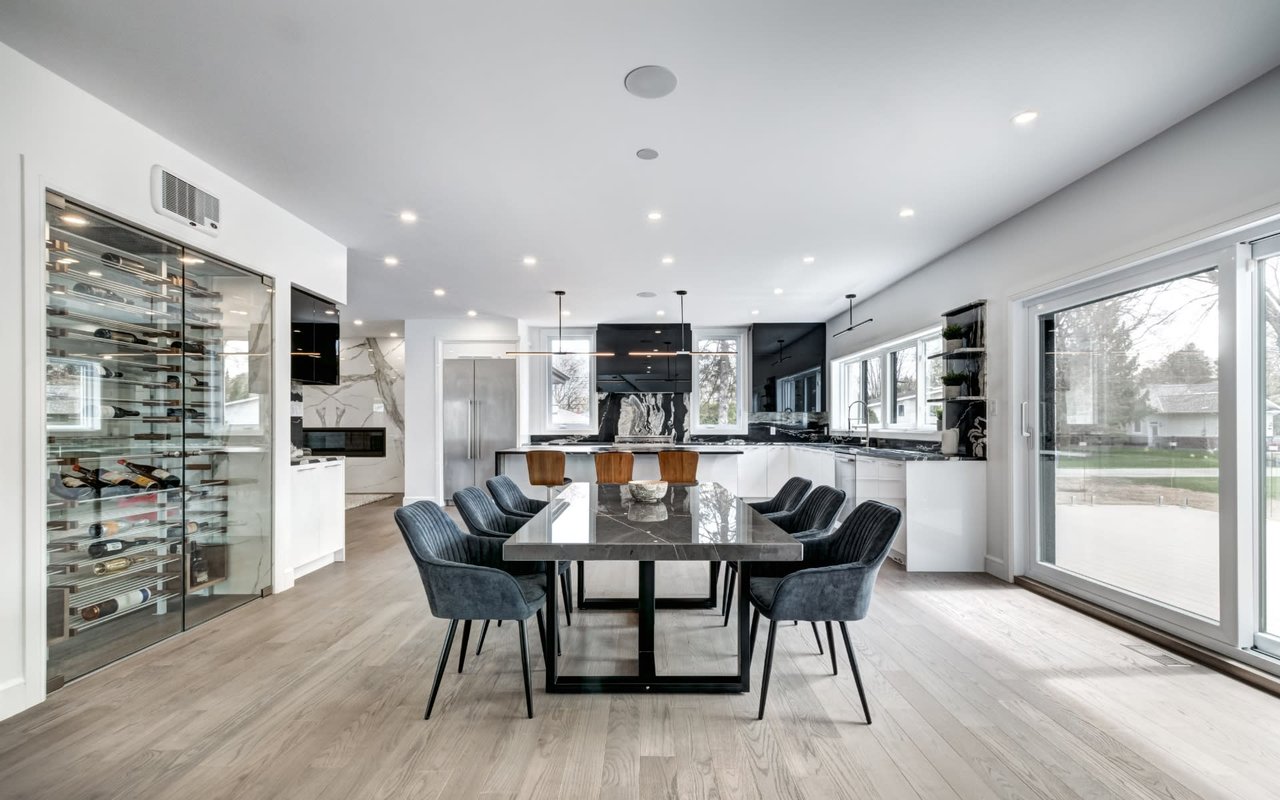
Downtown buildings range from boutique mid-rises to full-service towers. Common amenities include pools, fitness centers, terraces, secure entry, concierge, on-site management, guest suites, and assigned or deeded parking. More amenities mean fewer homeowner chores and a turnkey lifestyle. They also tend to increase monthly association fees.
HOA fees and coverage
Condo association fees typically fund common-area upkeep, elevators, landscaping, a master insurance policy for the building, utilities for shared spaces, on-site staff, and reserves for long-term repairs. Fees vary widely downtown, from the lower hundreds per month in smaller buildings to well over $1,000 per month in amenity-rich towers. Ask for a breakdown of what is covered so you can compare apples to apples.
Insurance basics
In Florida, wind and hurricane exposure influence insurance costs. The association’s master policy generally covers the building structure and common elements. As an owner, you will likely need an HO-6 policy for interior finishes, personal property, and liability. Clarify hurricane deductibles and who is responsible for what before you bind coverage.
Parking, storage, and deliveries
Parking can be deeded garage spaces, assigned surface spots, or valet in some high-density buildings. Guest parking is often limited, which matters if you host. Storage lockers may be included or available to rent. If you receive frequent packages, confirm concierge hours, package handling, and elevator size.
Pets and house rules
Many buildings welcome pets within size or breed limits, while others are restrictive. Rules also cover smoking, short-term rentals, noise, renovations, and use of common areas. Review the rules and regulations up front so there are no surprises after closing.
Safety, storms, and due diligence
Hurricane and flood risk
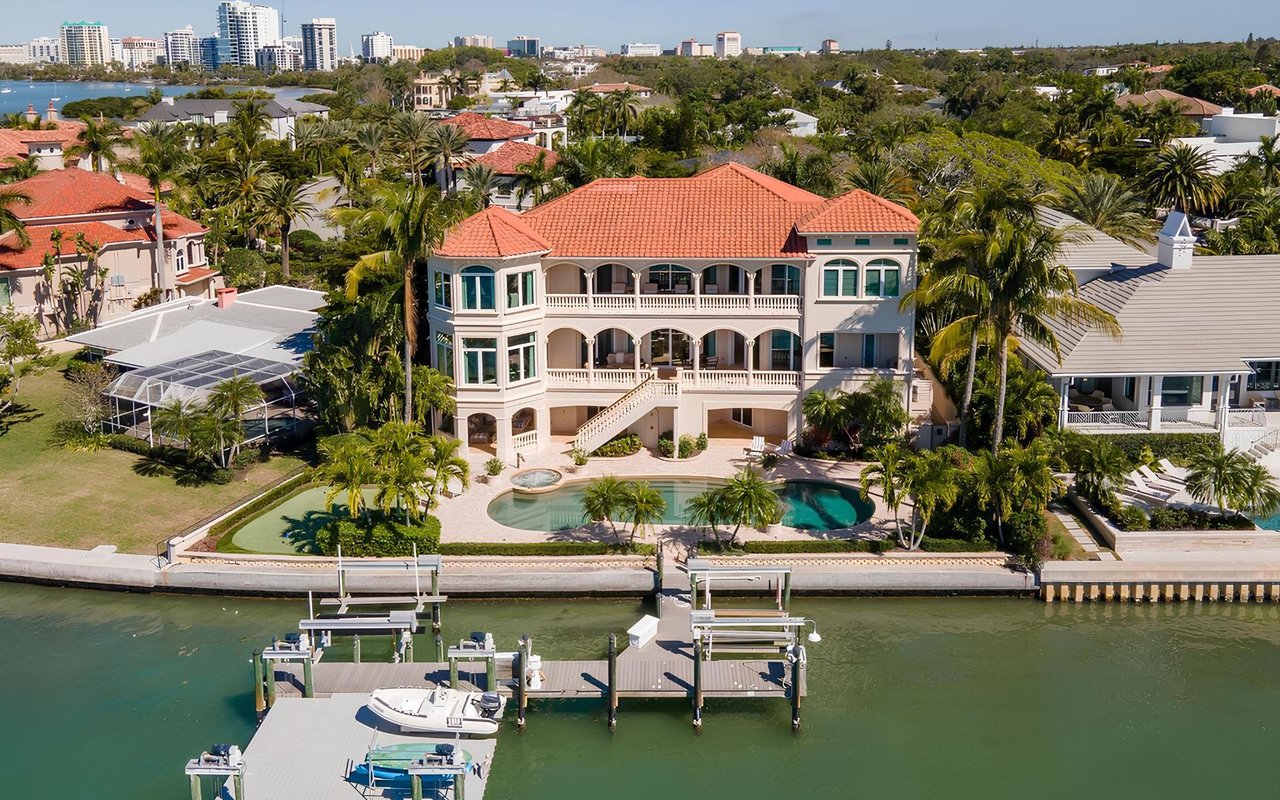
Downtown Sarasota is coastal, so you should understand wind and potential storm surge or flooding. Confirm a building’s flood zone and elevation through the FEMA Flood Map Service Center. For broader storm insights and seasonal updates, review NOAA hurricane resources. Ask for any available elevation certificates and confirm flood insurance options and costs.
Structural inspections and reserves
Since the 2021 Surfside tragedy, Florida increased scrutiny of older condos and required periodic structural inspections and reserve studies for many buildings. During due diligence, request recent engineering reports and the latest reserve study. You can also review guidance and records information from the Florida DBPR. Ask when the last inspection occurred, what it found, and whether any repairs or special assessments are planned.
Association health and assessments
Healthy reserves and proactive maintenance are key. Request the last 12 months of board meeting minutes and the association’s operating budget to see how issues are handled. If you want to confirm property details or taxes on a specific unit, use the Sarasota County Property Appraiser. For building permits or code matters, the City of Sarasota site is a helpful starting point.
Money matters
Total monthly costs
Compare your total monthly carrying costs, not just the purchase price. Add up your mortgage payment, HOA dues, property taxes, HO-6 and possible flood insurance, utilities not covered by the HOA, and parking fees if applicable. Amenity-rich buildings may have higher dues, but they also reduce many maintenance tasks.
Financing a condo
Lenders review condo projects closely. Factors like the percentage of owner-occupied units, reserve levels, and any structural issues can affect loan options. If you plan to use FHA or VA financing, ask early whether the building is approved. Your lender and agent can guide you through condo project review requirements.
Renting rules and resale
Many downtown associations limit or prohibit short-term rentals to maintain a residential feel. If you plan to rent seasonally or long-term, verify minimum lease terms, caps on rented units, and any registration steps. Clear rental rules and strong HOA finances can also improve resale appeal. For a pulse on local market dynamics, check updates from the Realtors Association of Sarasota and Manatee.
Is a condo right for you?
Empty nesters
You may love the low-maintenance lifestyle and the ability to walk to dining, arts, and health services. Social spaces make it easy to meet neighbors. Tradeoffs include higher HOA dues in full-service buildings and building rules that limit personalization. Choose a building with the right amenity mix, sound reserves, and included parking.
Professionals
Proximity to offices, client meetings, and networking is a major plus. Prioritize buildings with strong sound insulation, good package handling, and space that supports a home office. Guest parking can matter if clients visit, so check visitor policies.
Snowbirds
Lock-and-leave convenience is a big benefit, with management caring for common areas while you are away. If you plan to rent your unit during part of the year, confirm rental rules and any city or county requirements. Ask how the building supports absentee owners and how insurance works for second homes.
How it compares
- Beachfront condos: Closer to sand and a resort vibe, with more tourism activity and potentially higher insurance costs.
- Suburban single-family homes: More space and privacy, but more maintenance and longer drives to downtown culture.
- Older midtown neighborhoods: A blend of walkability and single-family living with different upkeep and rules.
Your pre-tour checklist
Before or during showings, gather these documents:
- Current HOA budget and recent financial statements
- Latest reserve study and date of last update
- Minutes from the last 12 months of board meetings
- Declaration, bylaws, and rules with amendments
- Association insurance certificate and deductibles
- History of special assessments for 5 to 10 years and any planned projects
- Litigation disclosures and the condo’s owner-versus-renter mix
- Rental policy, lease minimums, and any caps or waiting lists
- Pet policy and restrictions
- Parking details, guest parking rules, and storage availability
- Structural inspection and engineering reports, especially for buildings older than 30 years
- Recent capital projects, how they were funded, and remaining obligations
On-site, evaluate:
- Noise levels at night and on weekends
- Elevator wait times and reliability, especially in high-rises
- Condition of common areas, security, and package handling
- Sun exposure, heat gain, and view quality from the unit
- Hurricane resilience features like impact-rated windows or shutters and backup power for common systems
Smart questions to ask:
- What exactly does the HOA fee cover, and what is the current reserve balance per unit?
- Has the building had a structural inspection in the last 5 years? What were the findings?
- Are short-term rentals allowed? Are there caps or registration steps?
- Is parking deeded or assigned? How is guest parking handled?
- Are any special assessments pending or anticipated?
Next steps
If you want the walkable, low-maintenance lifestyle with access to Sarasota’s cultural heartbeat, a downtown condo can be a great fit. Your best move is to compare total costs, review the association’s health, and visit buildings at different times to confirm the vibe you want. When you are ready to tour or want help sorting HOA and inspection documents, reach out to The Laimada Group for local guidance tailored to your goals.
FAQs
What makes downtown Sarasota walkable?
- Downtown clusters dining, arts, and parks within a compact area. To compare specific addresses, use Walk Score for walk, transit, and bike data.
How do I check flood risk for a condo?
- Look up the property’s flood zone on the FEMA Flood Map Service Center and ask for any elevation certificates and flood insurance details.
What do typical HOA fees cover in condos?
- Fees usually fund common-area upkeep, the building’s master insurance, shared utilities, on-site staff, security, amenities, and reserves for long-term repairs.
How have condo safety rules changed in Florida?
- After Surfside, many buildings face periodic structural inspections and reserve requirements. Review reports and see Florida DBPR guidance.
Can I rent my downtown Sarasota condo seasonally?
- Many associations limit short-term rentals with minimum lease terms and caps. Confirm the building’s rules and any city or county requirements before you buy.
Where can I verify taxes and property details?
- Use the Sarasota County Property Appraiser to review property records, assessed value, and tax history for specific units.