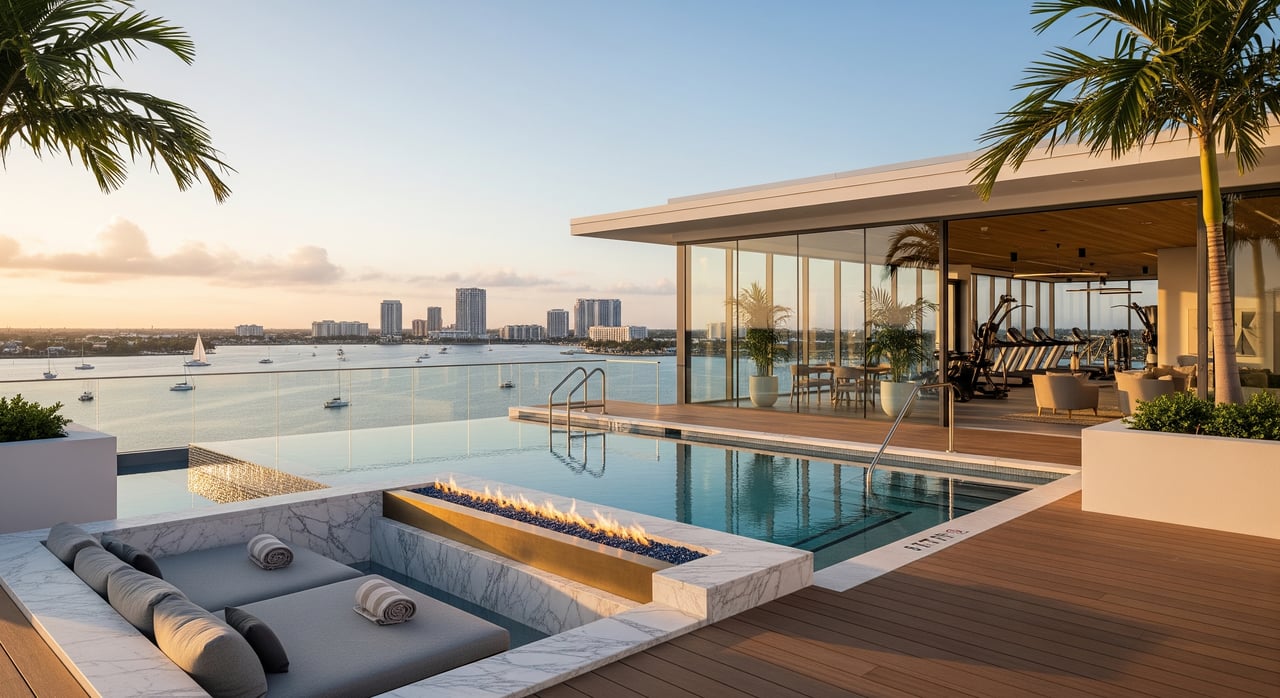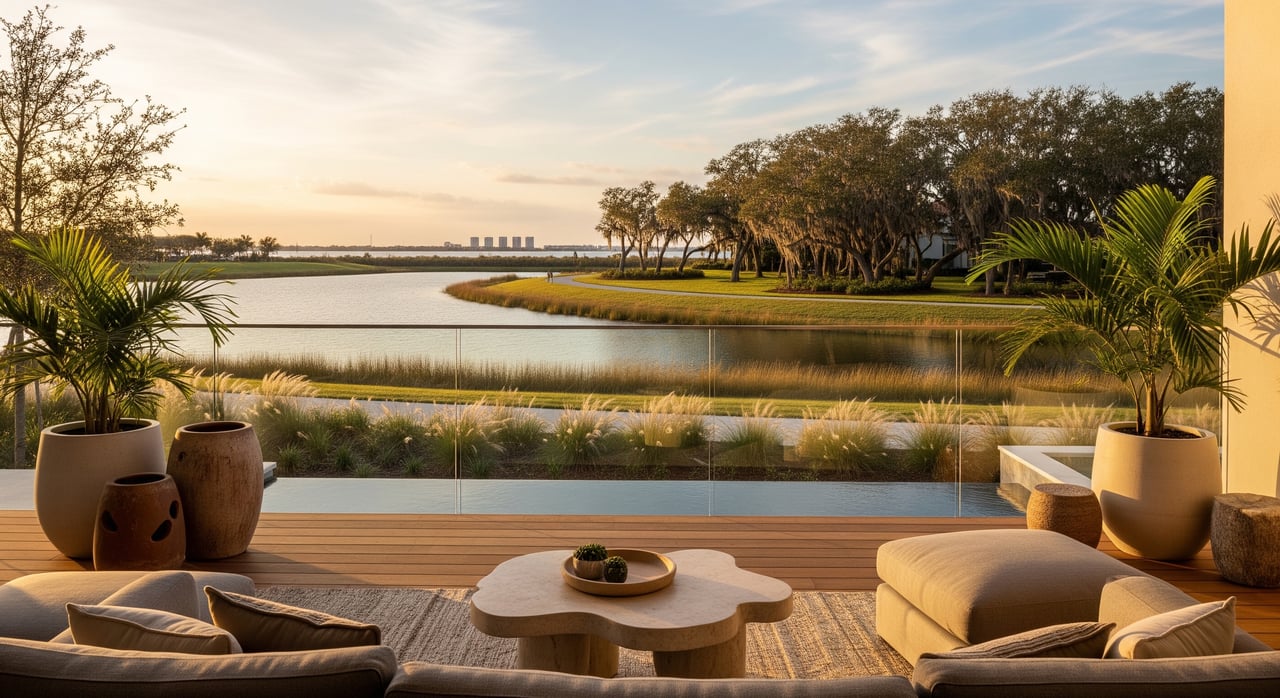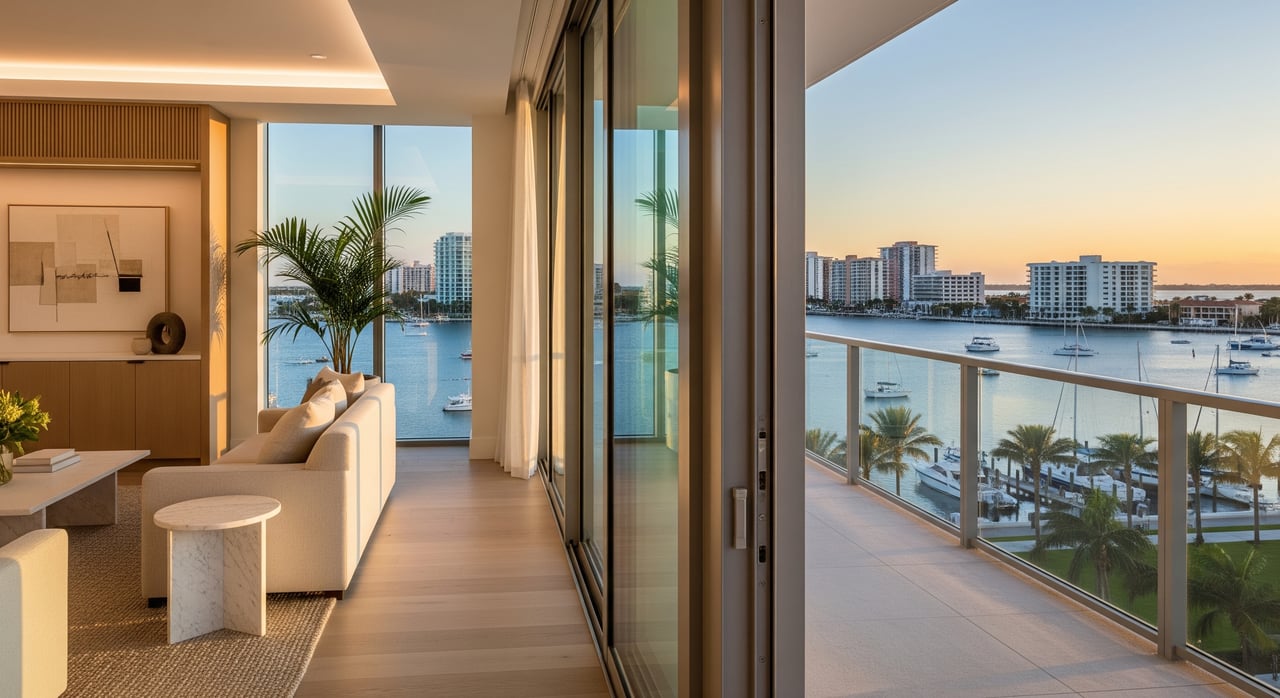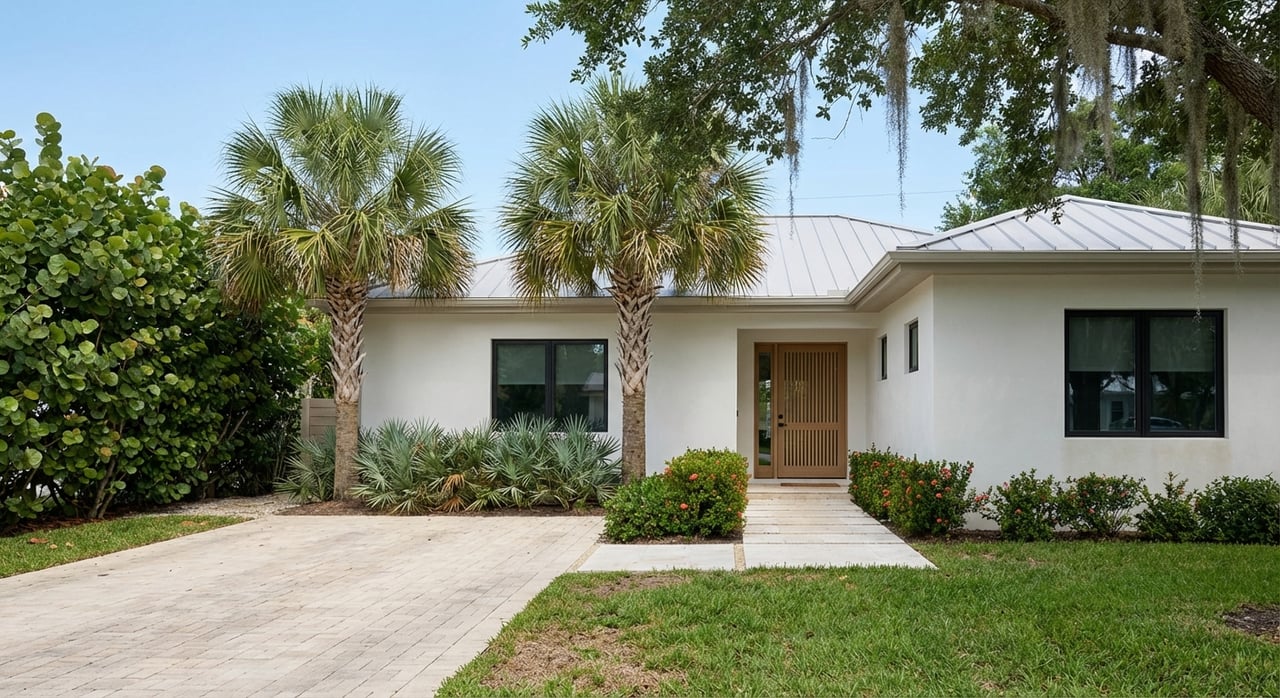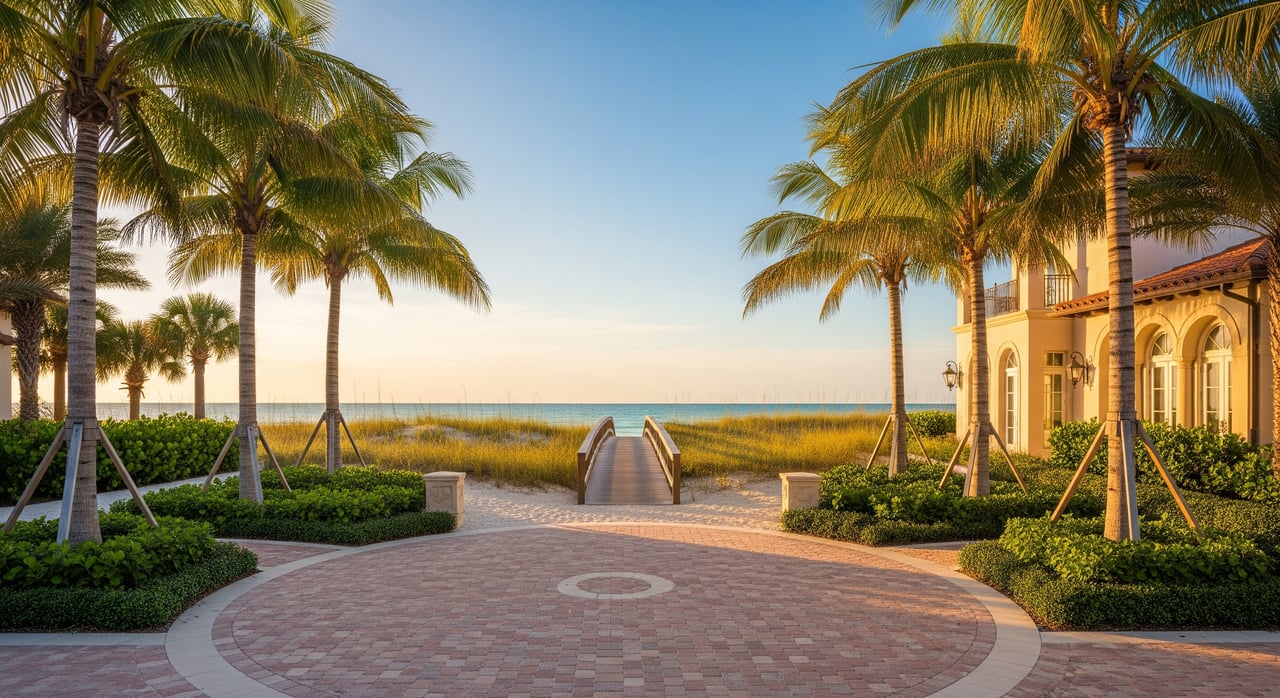
Do you picture yourself strolling out for coffee and gallery hopping, or stepping onto warm sand with your paddleboard before breakfast? On St. Armands and Lido Key, you can do both, but most buyers find they need to pick which one is closer to home. It is a classic tradeoff between everyday walkability around St. Armands Circle and front‑row beach access. In this guide, you will compare lifestyle rhythms, maintenance and insurance realities, parking, and property types so you can choose with confidence. Let’s dive in.
St. Armands and Lido Key basics
St. Armands Circle sits at the heart of Lido Key, a compact hub for dining, boutiques, galleries, and small parks. The main public beach accesses and parking areas are nearby, but they are concentrated along specific stretches, not spread evenly. This is a barrier island environment with low elevations and coastal exposure, so wind, salt air, tropical storms, and long‑term sea‑level considerations are part of daily life. Seasonal patterns are noticeable, with heavier visitor traffic and limited parking from late fall through spring.
Walkability near the Circle
Living steps from the Circle puts everyday conveniences at your front door. You can run quick errands, meet friends for dinner, and enjoy evening street life without getting in the car. Condo and mixed‑use buildings are common, and exterior upkeep is often handled by an HOA, which keeps your weekend to‑do list lighter. Downtown Sarasota is also an easy drive or bike ride when you want concerts, museums, or the farmers market.
There are tradeoffs to this energy and convenience. Expect more pedestrian and car traffic during high season, along with crowd noise at peak times. Parking can be limited or metered, which can complicate guests and deliveries. Not every unit near the Circle has ocean views or the simplest beach‑carry route, and many buildings have HOA fees, rules, and potential rental restrictions that you need to review.
Beach‑first living closer to access points
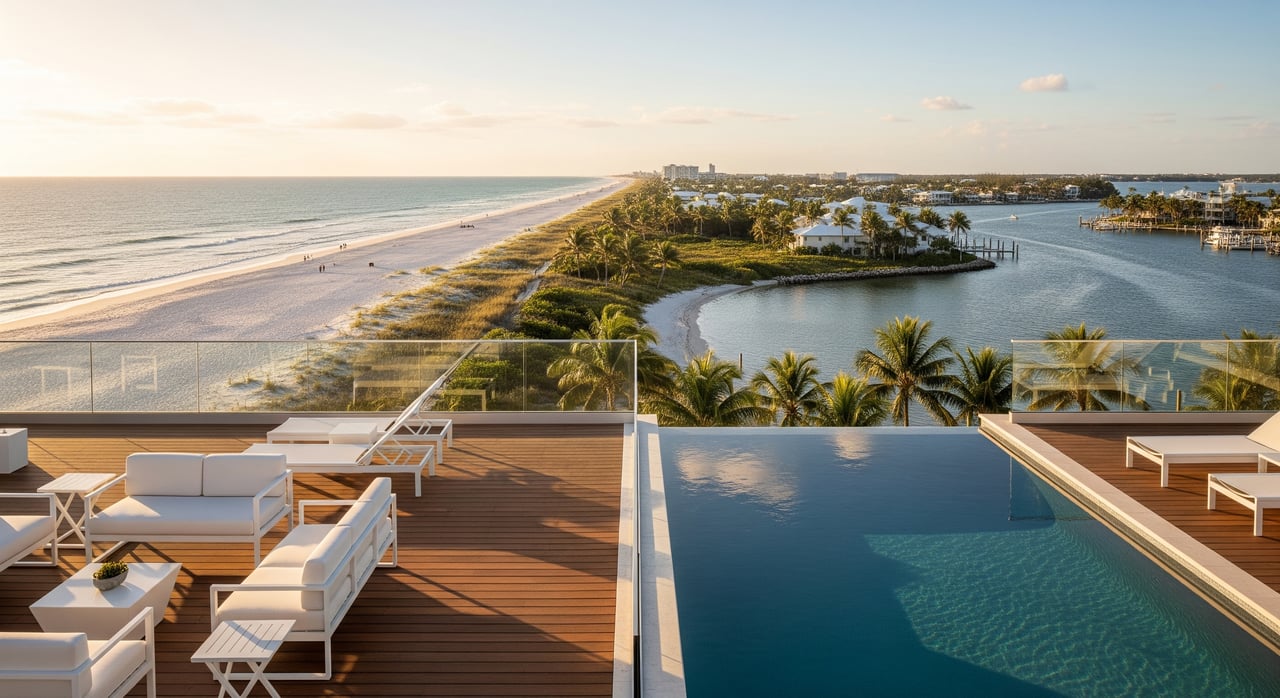
If sand time is your top priority, living closer to beach entries and parking lots keeps your toes in the water faster. It is a natural fit for frequent beachgoers, families with gear, and water‑sport routines. Pockets nearest the beach often feel more residential, and properties with water views command a premium.
The beach side brings its own costs and logistics. Near‑beach and beachfront homes often have higher purchase prices, plus higher wind and flood insurance premiums and more hands‑on maintenance due to salt and sun. On‑street parking can be tight, and beach lots fill quickly on weekends and in season. As with any barrier island, plan for hurricane risk, evacuation routes, and possible congestion during peak days.
Property types and what they mean for you
Condos near the Circle
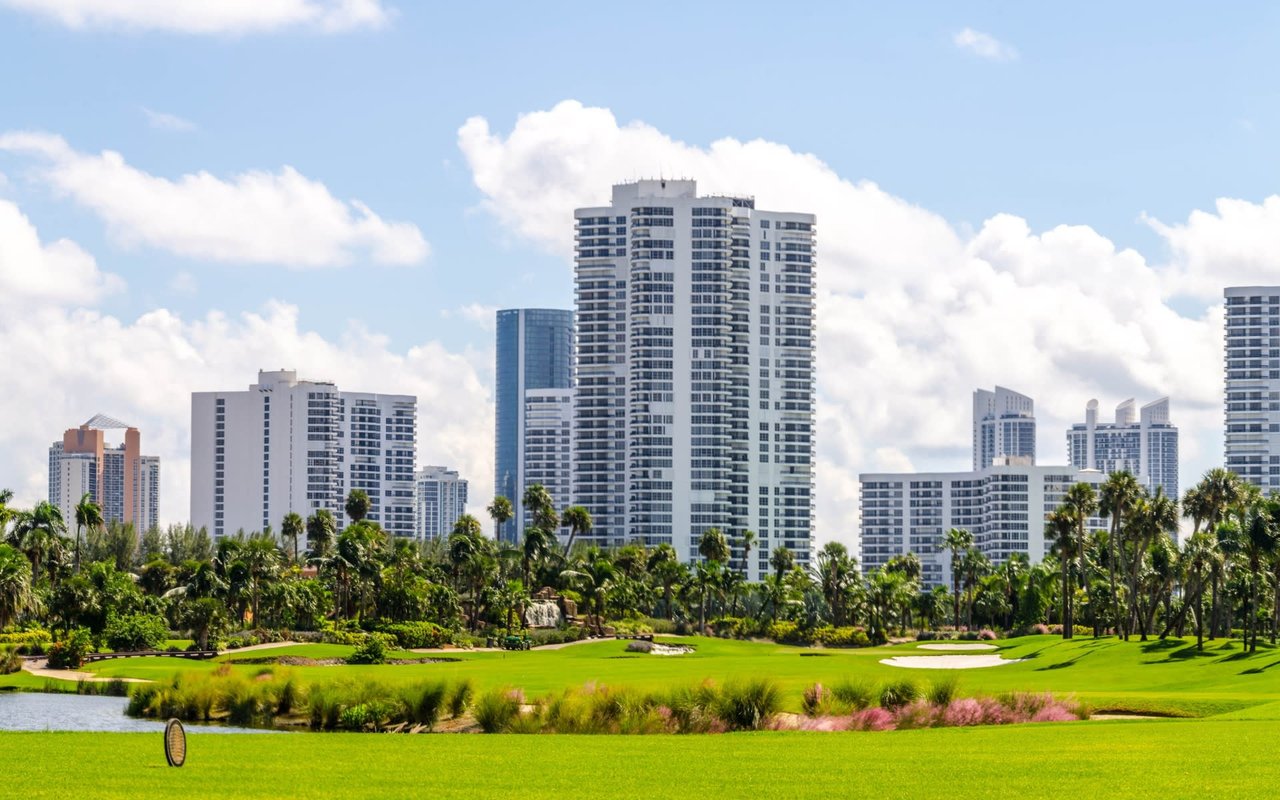
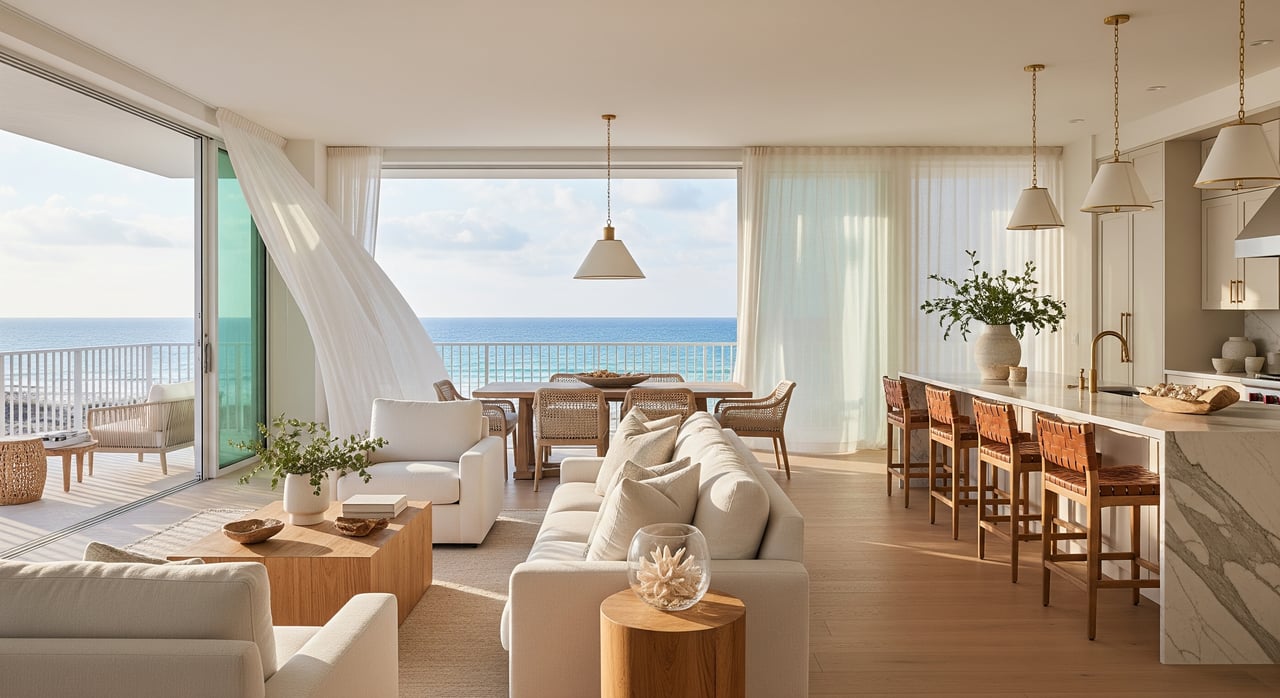
Low to mid‑rise condos cluster around the Circle. HOAs typically handle exterior maintenance, landscaping, and common insurance, which lightens your personal upkeep. Budget for dues and ask about reserves, special assessments, building envelope projects, elevator care, and rental rules. Your review of HOA documents is essential before you buy.
Townhomes and small multifamily
These attached options can be a good middle ground, with private entries and sometimes small yards. Maintenance responsibilities vary by community, so confirm what the HOA covers versus what is on you. Costs can be more variable if exterior care is shared or owner‑managed.
Single‑family near the beach
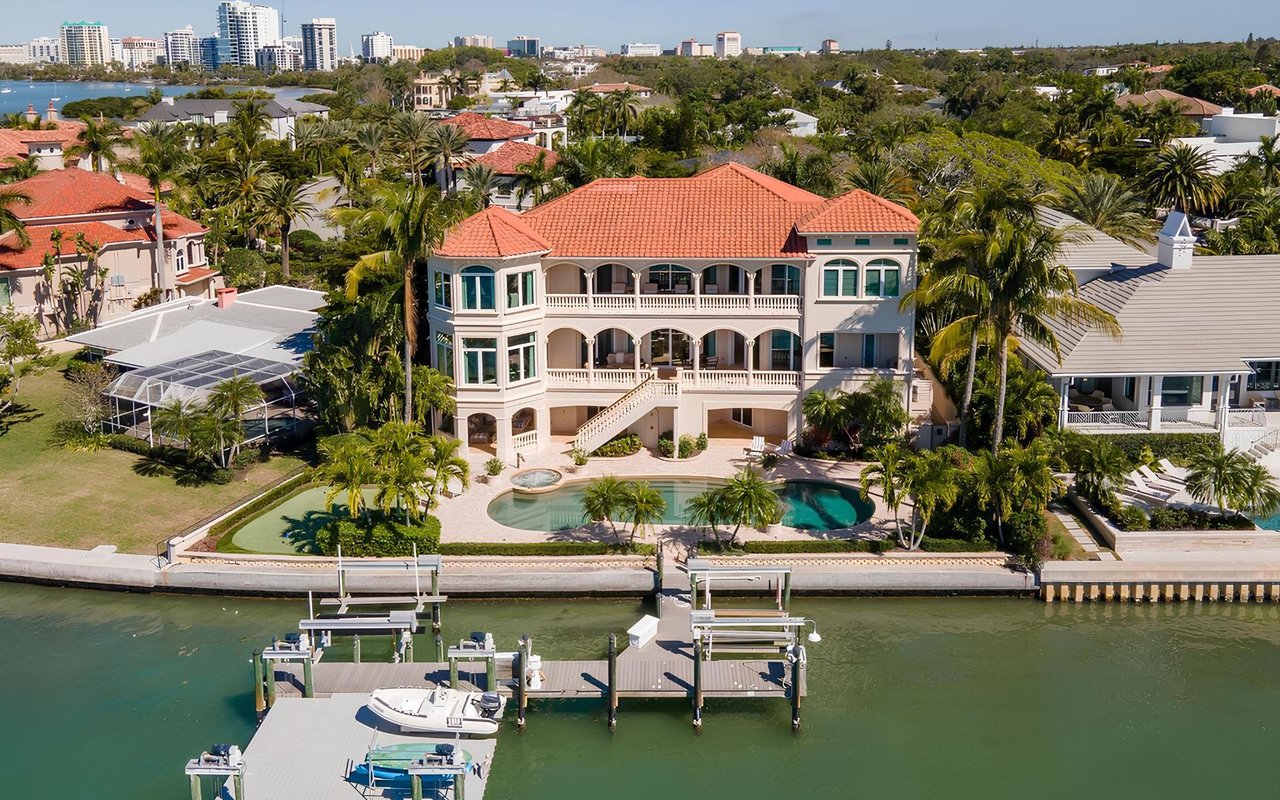
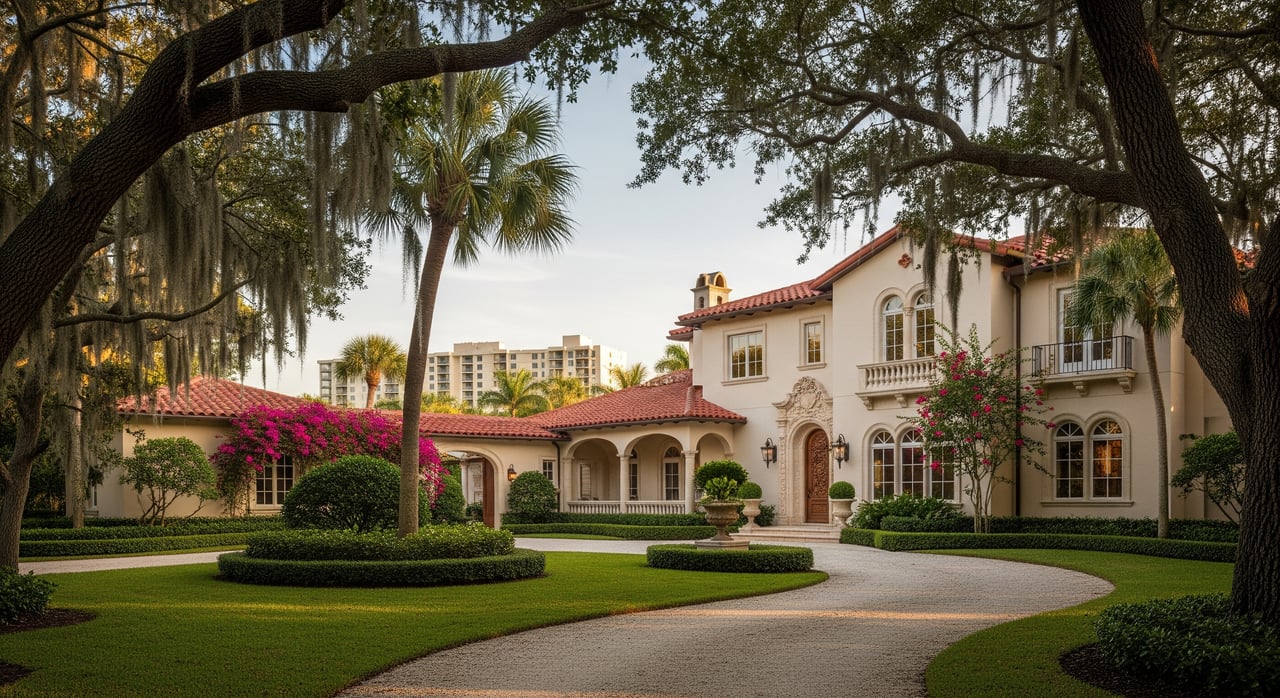
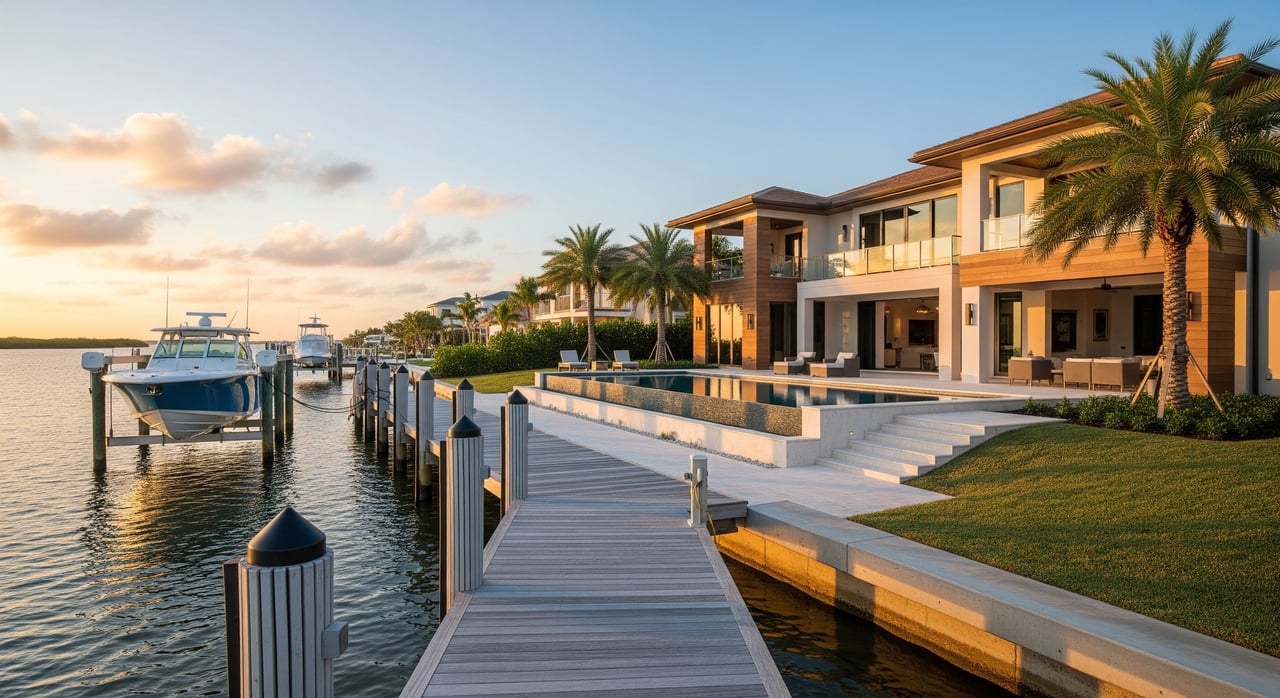
Cottages, mid‑century homes, and new builds give you privacy and outdoor space, sometimes with views. You will own all exterior tasks, including roof, paint, landscaping, pest control, and storm prep. Waterfront lots may include seawall care, which can be a significant expense over time.
If you plan to rent short term
Barrier islands attract strong seasonal demand, which supports short‑term rental strategies. Rules vary by city, county, and HOA, and they can change. Confirm licensing, taxes, and HOA rental policies before you underwrite income or set expectations.
Coastal wear and tear to plan for
Salt air accelerates corrosion of metals, and humidity makes mold control an ongoing task. Expect more frequent exterior paint or finish cycles and shorter roof lifespans than inland homes. HVAC and pool systems may need more servicing, and routine termite or pest inspections are wise.
Flood, insurance, and building resilience
Many parcels on barrier islands fall within high‑risk flood zones, and lenders typically require flood insurance for financed purchases in those areas. Premiums vary based on elevation, prior claims, and mitigation features, while wind coverage is often priced separately. Newer construction usually meets higher wind standards, and retrofits like roof straps and impact windows improve resilience. Plan your hurricane readiness, including shutters or impact glass, generator needs, outdoor furniture storage, and evacuation logistics.
Parking and guest logistics
Around the Circle, public parking is often limited or metered, which can affect daily routines and hosting. Beach lots can fill quickly on weekends and during peak season, with posted time limits in many areas. In condos, verify your assigned parking, whether there is covered or garage space, and the guest parking policy. If you rely on street parking or host often, review on‑street rules and HOA restrictions before you buy.
Lifestyle rhythms through the seasons
From late fall through spring, you will notice higher foot traffic, busier streets, and longer waits at popular restaurants. Weekends bring another bump as locals and visitors head to the beach and the Circle. Daytimes lean beach‑heavy, while evenings shift to dining and window‑shopping. Off‑season is quieter, which appeals to buyers who want calm mornings, easy parking, and shorter waits.
How to choose your sweet spot
If you prize daily walkability and low exterior maintenance, the Circle‑adjacent condo lifestyle will likely fit you best. If frequent beach time, views, or a private yard are top of mind, expect higher purchase and upkeep costs near beach access points. Many buyers split the difference and target a mid‑distance home, which keeps both the sand and the Circle within a comfortable walk.
Use this quick framework:
- Circle‑close: Best if you want daily dining, shops, and a lock‑and‑leave condo routine. Be comfortable with seasonal crowds and HOA rules.
- Beach‑close: Best if you want fast sand access, views, and outdoor living. Be ready for higher insurance and more maintenance.
- Middle distance: Best if you want balance on cost and convenience. Confirm walk times to both the Circle and your preferred beach entry.
Buyer checklist for St. Armands and Lido Key
- Verify the parcel’s FEMA flood zone and ask for an elevation certificate if available.
- Obtain recent HOA documents, including budget, reserve study, rental policies, and meeting minutes.
- Ask for maintenance records for roof, HVAC, balcony or railing repairs, elevators, and any seawall or dock work.
- Confirm assigned parking, guest parking rules, and any city or HOA permit requirements.
- Confirm short‑term rental eligibility under city or county rules and your HOA covenants.
- Get insurance quotes for flood and wind coverage before you make an offer.
- Walk the area on a high‑season weekend midday to see real‑world traffic and parking conditions.
Final thoughts
There is no wrong choice here, only the right one for your routine and risk comfort. Circle‑close living makes everyday errands and dining effortless, while beach‑close living maximizes time on the sand and often brings premium views. When you layer in insurance, HOA rules, parking, and coastal maintenance, you get a clear picture of total cost and convenience.
If you want a local, data‑informed walkthrough of specific buildings and streets, along with help verifying flood zones, HOA health, parking, and rental rules, connect with The Laimada Group for a personalized plan that fits your lifestyle and budget.
FAQs
How far is the walk from St. Armands Circle to Lido Beach with gear?
- It depends on the exact property location, so check a map for your parcel and try the walk at the time of day you would normally go to the beach.
Are HOA fees higher near the Circle than near the beach?
- Fees vary widely by building and what amenities or reserves are included, so review each association’s budget, reserve study, and special‑assessment history.
Do I need flood insurance on Lido Key?
- If your property is in a high‑risk flood zone and you have a mortgage, flood insurance is typically required, and premiums vary by elevation and mitigation features.
How busy is parking around the Circle and at the beach during season?
- Expect higher demand and faster fill times from late fall through spring, so verify guest parking options, on‑street rules, and any time limits or meters.
What coastal maintenance should I plan for near the beach?
- Budget for more frequent exterior paint, shorter roof lifespans, regular HVAC and pool servicing, and proactive mold and pest control due to salt and humidity.
Can I operate a short‑term rental near St. Armands?
- Possibly, but you must confirm city or county regulations for the specific parcel and your HOA’s rental policy, including minimum stays and licensing.