Where will your boat live on Longboat Key? If you love time on the water, docking convenience can make or break your home search. You want easy access, the right slip for your vessel, and clear rules so you can enjoy the bay or the Gulf without surprises. In this guide, you’ll learn where and how boaters dock on Longboat Key, what to verify before you buy, and how to match a slip to your boat and lifestyle. Let’s dive in.
How boating on Longboat Key works
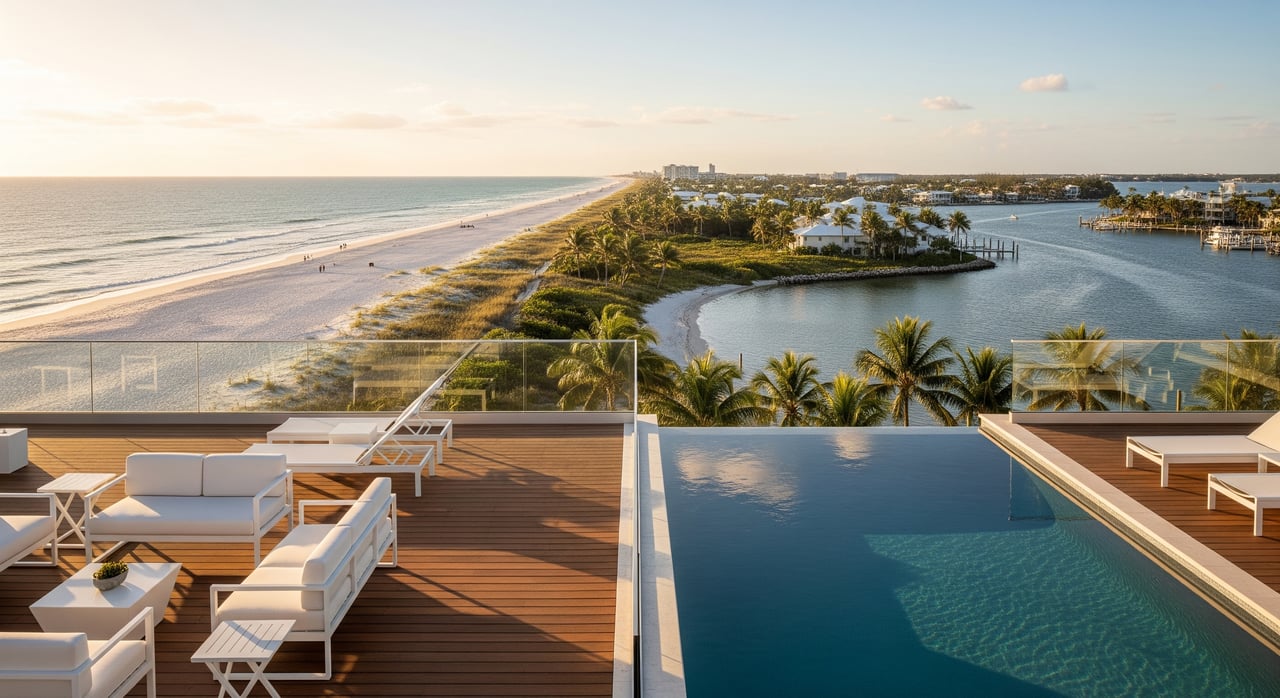
Longboat Key is a barrier island with Gulf beaches to the west and Sarasota Bay and Intracoastal waters to the east. That gives you two distinct boating experiences. You can run west into the Gulf for day cruising and nearshore fishing, or head into the protected bay for relaxed trips to spots like downtown Sarasota and Marina Jack.
Your daily convenience depends on your slip location, your route to a pass, and your boat’s speed and draft. West-side homes and condos tend to offer quicker Gulf access. East-side docks and marinas often provide calmer, shorter runs inside Sarasota Bay and along the Intracoastal. Always match your vessel to the water and routes you plan to use.
Environmental and regulatory conditions can change. Dredging and channel maintenance projects can affect depth and access, so keep an eye on current notices from the U.S. Army Corps of Engineers and verify routes on official NOAA nautical charts. Follow Florida boating laws and local rules posted by the Florida Fish and Wildlife Commission.
Where to dock on Longboat Key
Single-family waterfront homes
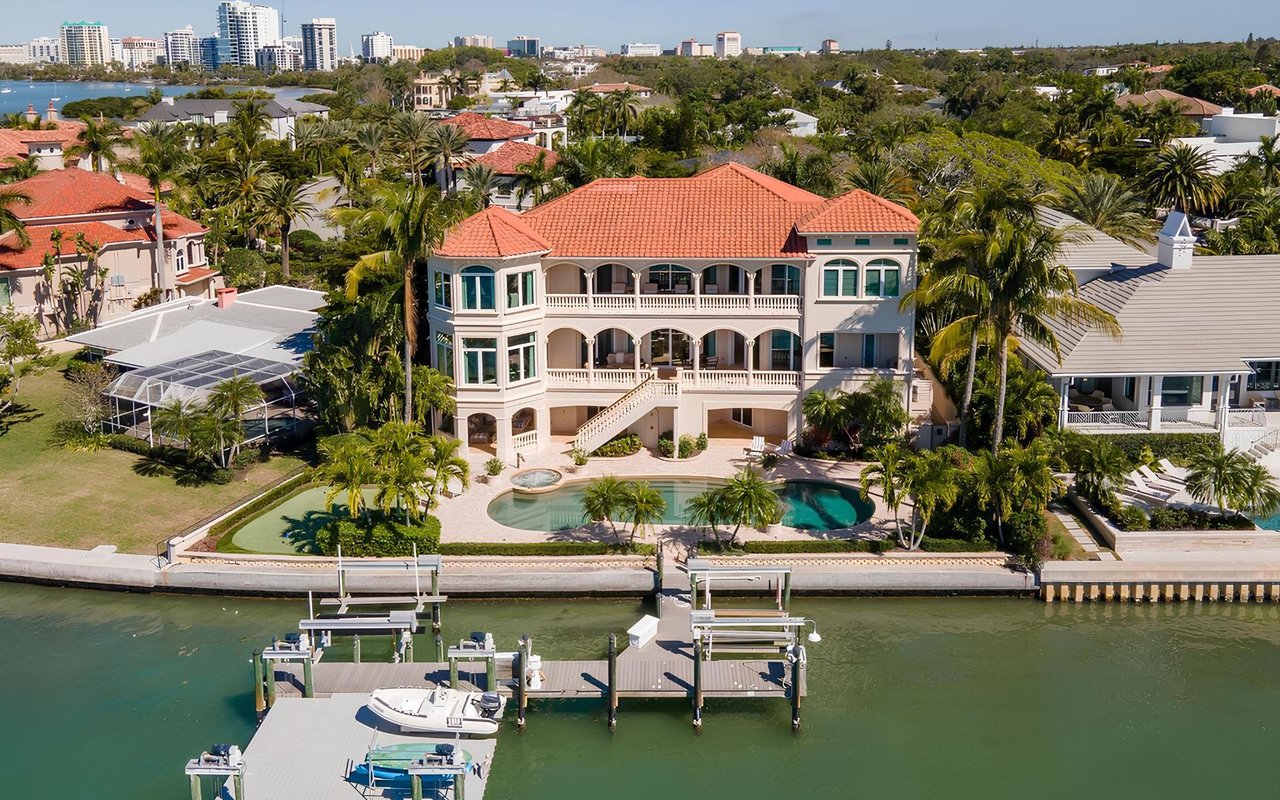
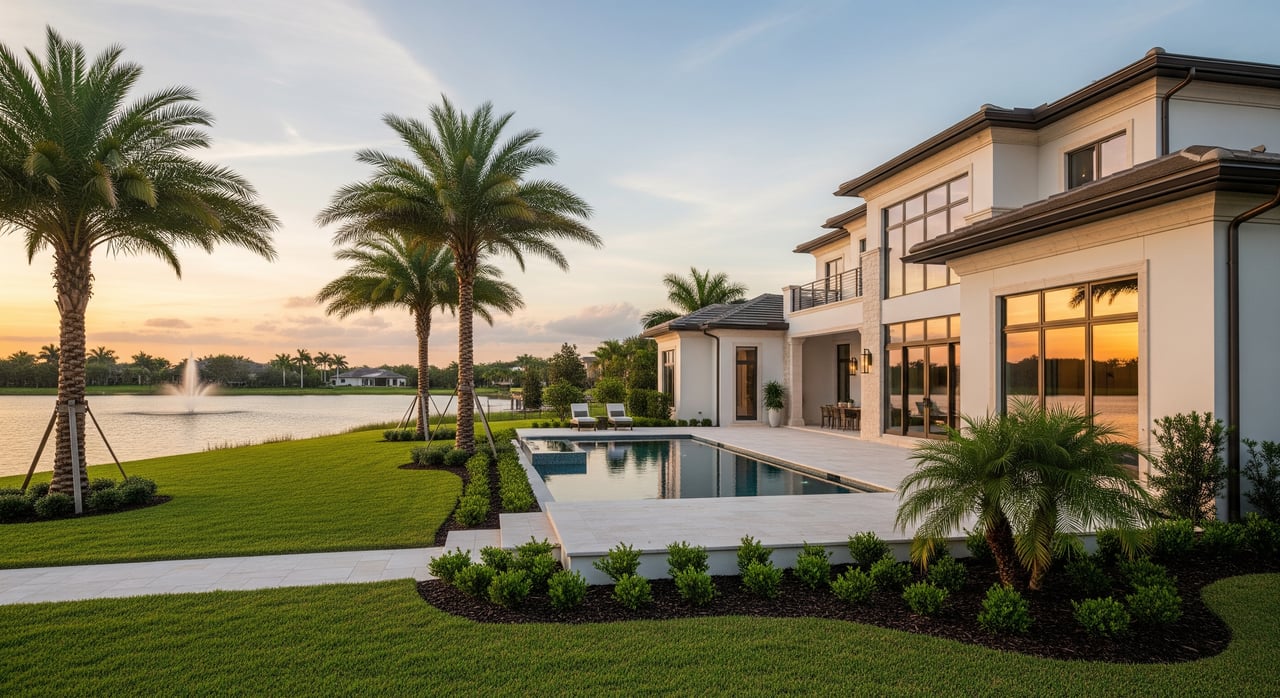
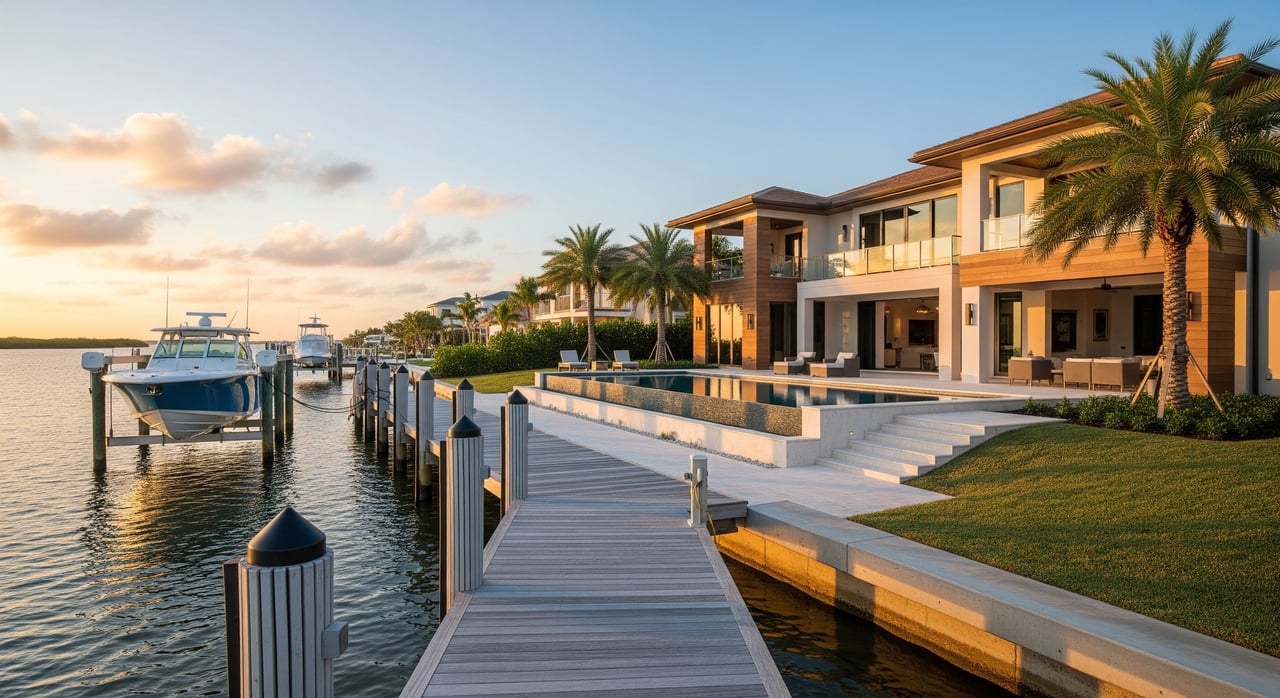
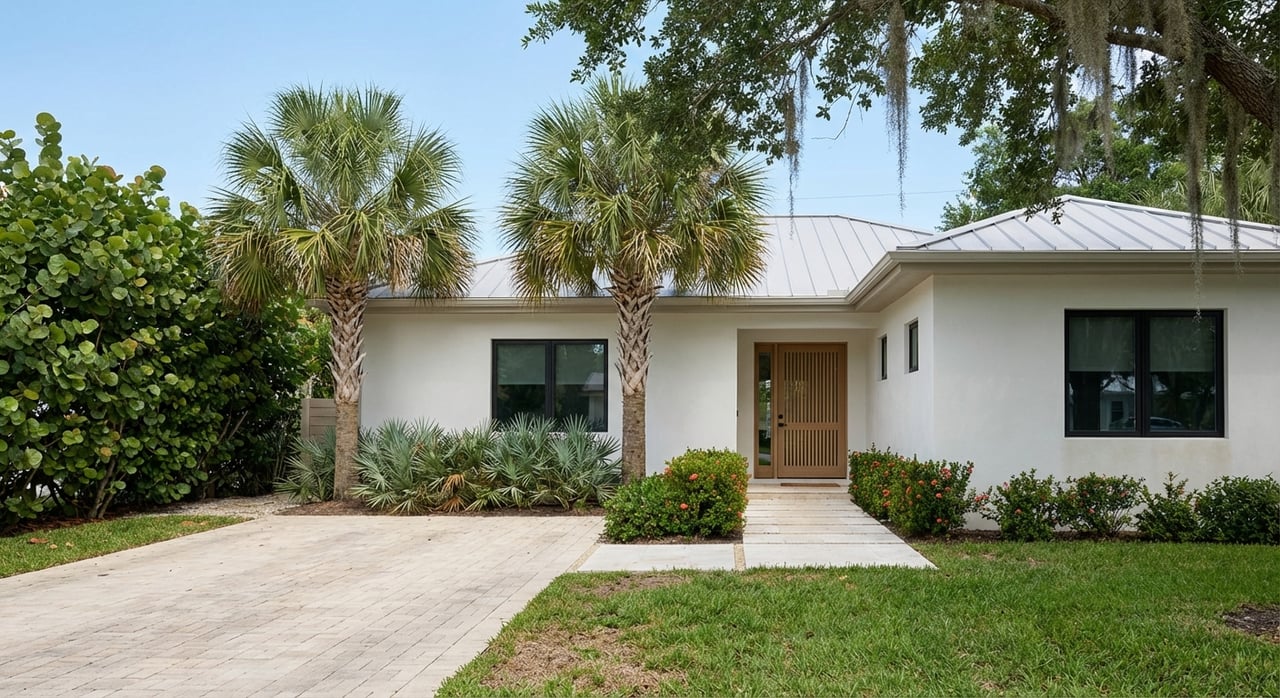
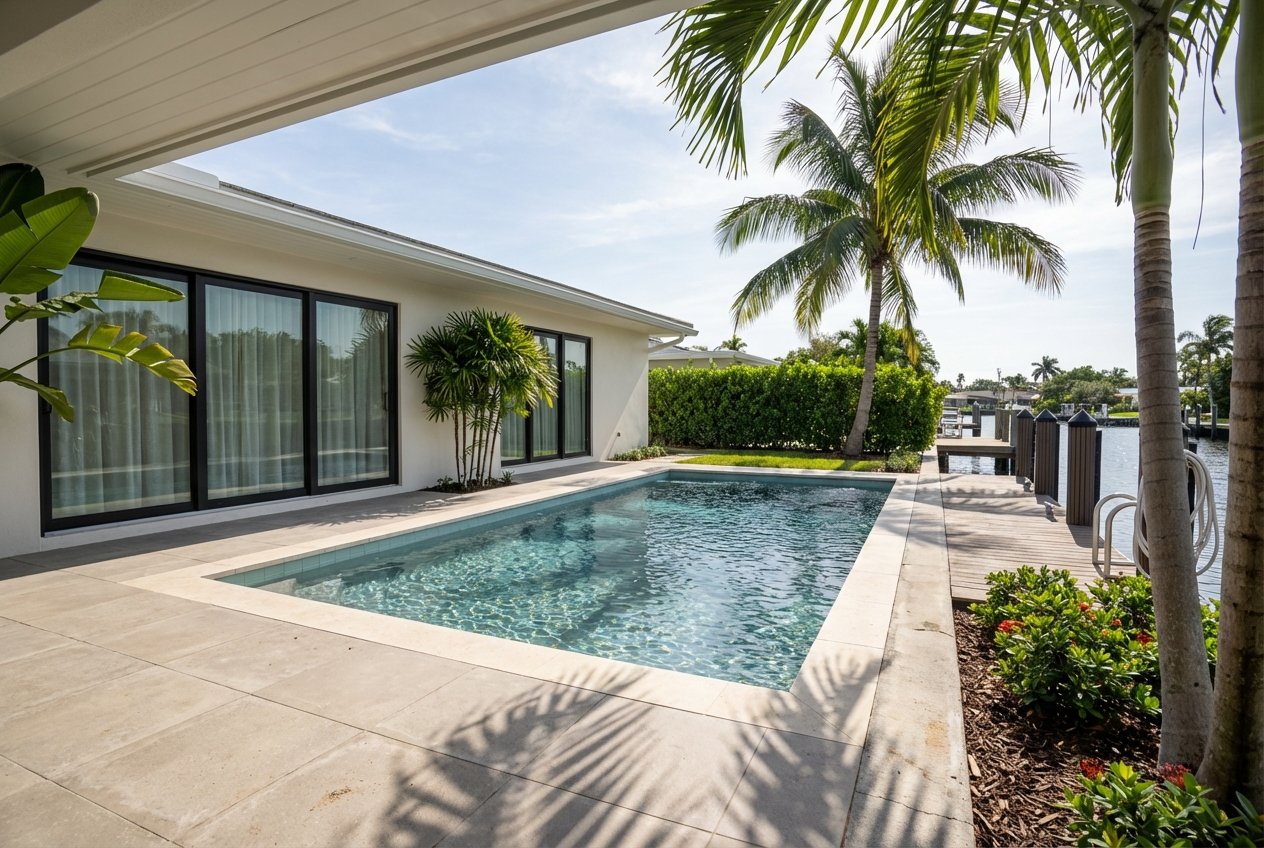
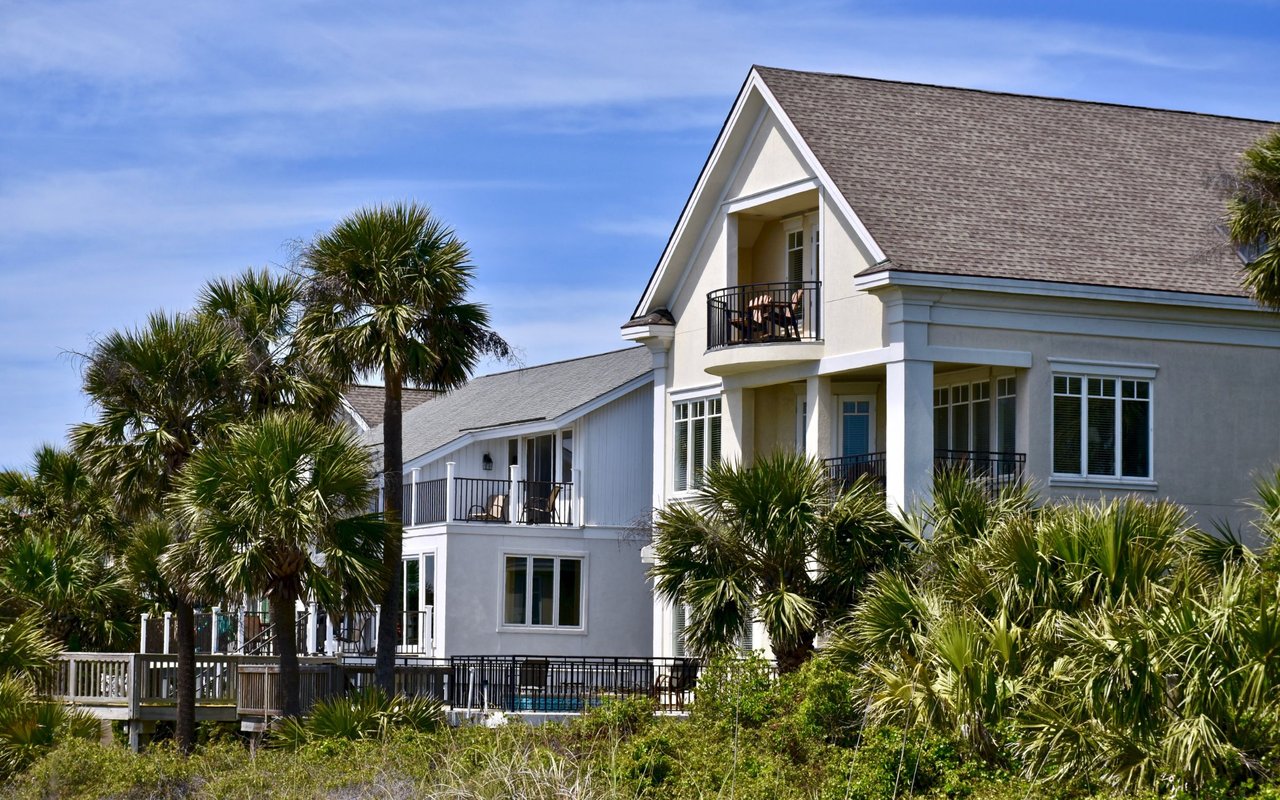
If you want your boat in your backyard, canal or shorefront homes can be ideal. Many offer private docks with direct access to Sarasota Bay and connecting channels. Some locations provide deeper water than others, so confirm depths, bridge clearances, and any shoaling with recent data.
Ownership and upkeep are yours with private docks. Verify dock condition, seawall status, and permitting history. Plan for maintenance, insurance, and storm preparation responsibilities. The upside is immediate access and storage tailored to your boat.
Condo and resort-style communities with docks
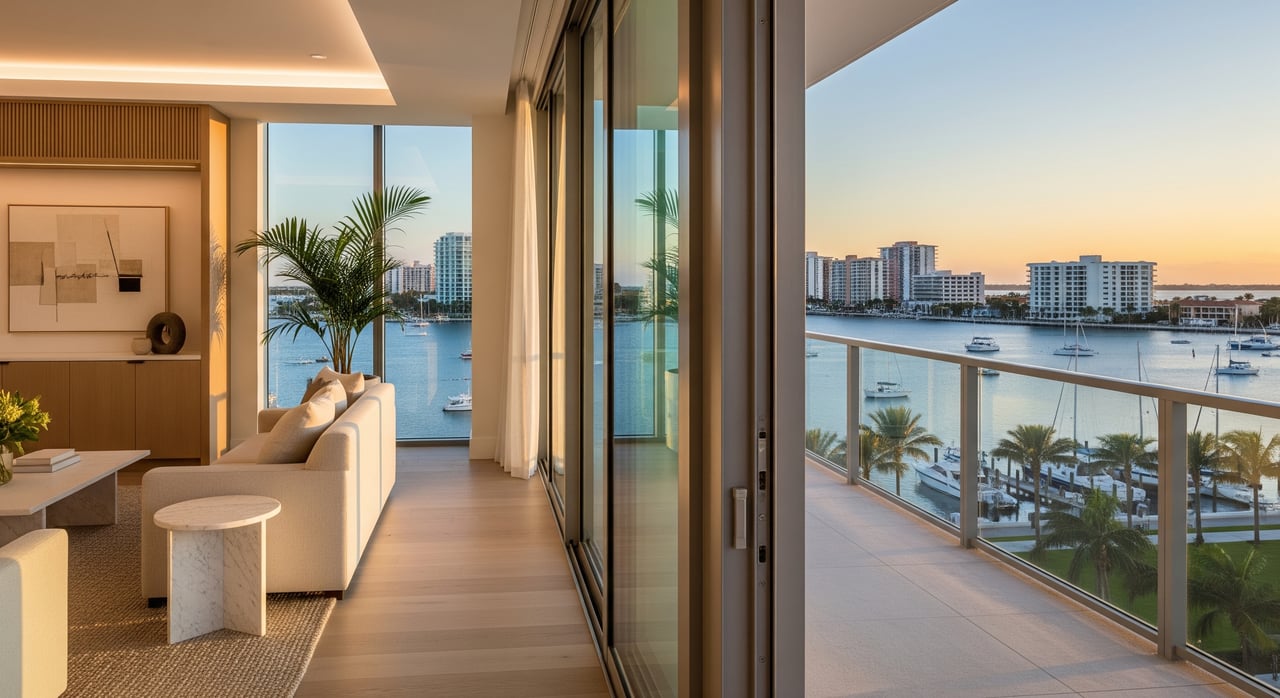
Many Longboat Key condos and communities include docks or a marina component. Slip ownership models vary and can change your costs and flexibility:
- Deeded slips: Assigned to a unit and transfer with the sale. These are scarce and highly desirable.
- Leased or assigned slips: Managed by the HOA or a marina with terms that renew or reassign over time.
- Transient slips: Short-term use for owners or guests, not a substitute for daily access.
Always read the association documents. CC&Rs can cap boat length and beam, set insurance requirements, restrict liveaboards, or outline waitlist policies. Confirm everything in writing before you buy.
On-site private marinas and yacht clubs
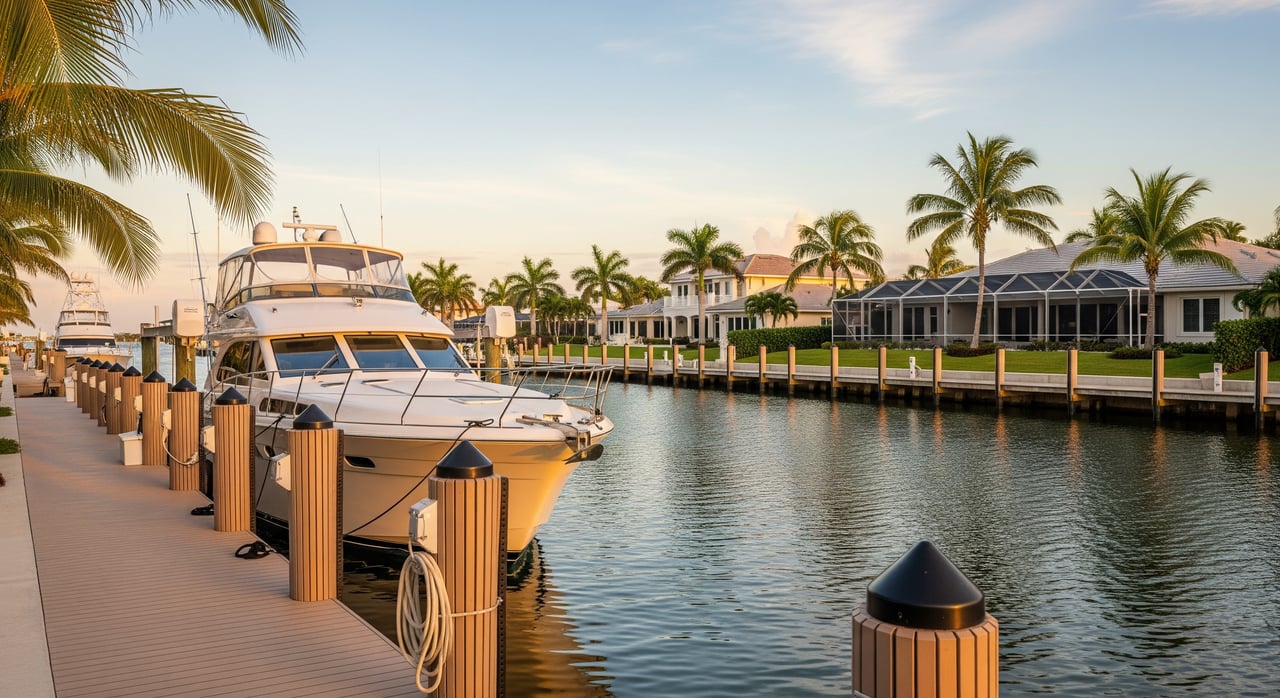
Some communities and nearby facilities offer on-site marinas with wet slips, dry storage, or transient dockage. Services may include pump-out, fuel, mechanical support, or concierge help, though details vary by operator. For current availability and services, check platforms like Dockwa, ActiveCaptain, and Marinas.com, then call the marina directly to confirm.
Public ramps and nearby commercial options
If you trailer or keep your boat off-island, county-managed ramps and commercial marinas nearby can be great backups. Explore public facilities through Sarasota County Parks and Recreation and Manatee County Parks and Natural Resources. These sites list boat ramps, hours, and operating updates. For transient slips or services, use the marina directories above and confirm details by phone.
North, central, and south key considerations
Longboat Key stretches across parts of Manatee and Sarasota Counties. Your experience can vary by where you dock.
- North Longboat Key: Often closer to routes toward Anna Maria Island and Bradenton via the bay. Expect protected runs inside the Intracoastal and choices of passes to the Gulf depending on conditions and vessel suitability.
- Central Longboat Key: A blend of bay convenience and beach proximity. Check local channel depth and any bridge factors on your preferred routes.
- South Longboat Key: Convenient for Intracoastal runs toward downtown Sarasota. Many boaters enjoy short bay trips to dining and marinas on the mainland. As always, confirm clearance and depth along your path.
Avoid counting on specific travel times since factors like tide, vessel speed, and bridge schedules may change. Focus on matching your home base to your most frequent destinations and your boat’s needs.
Slip ownership 101
Not all slips are created equal. Understanding the basics helps you avoid unwelcome surprises.
- Deeded slips: Transfer with the property. They commonly increase property value and convenience, though paperwork and transfer fees may apply.
- Leased or assigned slips: May be cost-effective, but availability can depend on waitlists, lease terms, or HOA policies. Renewal is not always guaranteed.
- Transient slips: Great for short stays or guests. They do not replace the daily convenience of a dedicated slip.
Tie your decision to your boating frequency, boat size, and long-term plans. If daily access is essential, prioritize certainty of slip control.
Depths, bridges, and routes to confirm
Safe and easy access starts with a route that fits your boat’s draft and height. Use official NOAA nautical charts to review channels, soundings, and hazards. For upcoming dredging or maintenance that may change depths, check the U.S. Army Corps of Engineers. If your vessel has a flybridge or tower, verify vertical clearances for any fixed bridges on your route.
Tides and currents matter, especially near passes. Review local rules and no-wake zones posted by the Florida Fish and Wildlife Commission. A quick pre-trip check reduces risk and keeps your day stress-free.
Buyer due diligence checklist
Use this list to verify the details that matter before you make an offer.
- Slip type and control: Deeded, leased, HOA assigned, or transient. Get copies of documents and rules.
- Dimensions and depth: Confirm slip length, beam limits, and depth at mean low tide with recent data from the marina or HOA.
- Bridge and air draft: Check vertical clearances along your intended route if your boat has height concerns.
- Boat size and rules: Review maximum LOA, beam limits, liveaboard policies, and guest usage rules.
- Maintenance and costs: Understand who maintains the dock or seawall and how costs are allocated. Review reserve funds and any special assessments.
- Transfer and waitlists: Ask if the slip transfers automatically with the sale and whether a waitlist exists for additional or larger slips.
- Insurance and storm policy: Confirm vessel liability requirements and hurricane procedures, including tie-down standards and haul-out expectations.
- Permitting history: Request records of dock or seawall repairs and any open permits or violations.
- Services and proximity: Note the closest fuel, pump-out, repair, and haul-out options you plan to use.
Budget and ongoing costs to plan for
Create a realistic boating budget tied to your property choice.
- HOA or condo dock assessments and reserves for docks, piers, or seawalls.
- Slip lease fees and any transfer or initiation charges.
- Insurance requirements for both the vessel and the dock where applicable.
- Maintenance and replacement costs for lifts, pilings, decking, and hardware.
- Hurricane preparation costs, including extra lines, chafe gear, and potential haul-out.
A clear budget avoids surprises and helps you compare homes and communities on equal footing.
Smart ways to search for listings
Inventory shifts quickly on Longboat Key, and slip details can be nuanced. Work with a local agent who can filter the MLS for waterfront, dock, and slip fields. Ask for tailored searches that prioritize deeded slips, minimum depth, and routes that fit your boat.
Here is an efficient approach:
- Define your vessel profile: LOA, beam, draft, and air draft. Note your preferred cruising waters and a must-have route.
- Choose a slip model: Deeded if you want certainty, leased or assigned if flexible, transient if you only need occasional docking.
- Set rules and cost limits: Maximum HOA fees, acceptable liveaboard rules, and insurance requirements.
- Verify each candidate: Request CC&Rs, marina rules, and recent depth data before touring.
- Walk the dock: Tour at low tide when possible, check pilings and power, and confirm distance to the channel.
If you want a live, curated search and vetted slip details, our team can set it up and update you as new options hit the market.
Make a simple boating map
A clear map helps you visualize your boating life. Mark your slip, the nearest channels and passes, and any bridges on your route. Label north, central, and south Longboat Key so you can compare how each area aligns with your destinations. For accurate navigation and planning, use NOAA nautical charts and verify any project changes with the U.S. Army Corps of Engineers. Keep a note that depths and availability change, then update your map each season.
Public resources to bookmark
- Official charts and soundings: NOAA nautical charts
- Dredging and channel updates: U.S. Army Corps of Engineers
- Boating laws and no-wake zones: Florida Fish and Wildlife Commission
- County ramps and facilities: Sarasota County Parks and Recreation and Manatee County Parks and Natural Resources
- Transient slip directories and marina services: Dockwa, ActiveCaptain, and Marinas.com
The bottom line
Longboat Key gives you the best of both worlds. You can enjoy easy Intracoastal cruising inside the bay or take quick runs into the Gulf when conditions cooperate. The right property and slip depend on your boat’s size, your preferred routes, and how often you go out.
If you want help narrowing choices to homes and condos that truly work for your vessel, we are here to guide you. From verifying deeded versus leased slips to confirming depth, bridge clearance, and HOA rules, we will do the legwork so you can focus on getting out on the water. Connect with SRQ Coastal Living to start a tailored search and plan a dockside tour.
FAQs
What docking options exist on Longboat Key?
- You will find private docks at single-family waterfront homes, condo communities with deeded or leased slips, on-site marinas with wet or dry storage, and public ramps or nearby commercial marinas for trailering or transient access.
How do I compare deeded vs leased slips in a condo?
- A deeded slip transfers with the unit and adds control, while a leased or HOA-assigned slip can be cost-effective but may involve waitlists or renewal risk. Confirm terms in the CC&Rs and slip agreements.
How can I confirm water depth and bridge clearance for my boat?
- Review routes on NOAA nautical charts, then verify recent depth data with the HOA or marina and confirm bridge clearances for your planned path.
Where can I see public boat ramps near Longboat Key?
- Check county resources for updates, locations, and hours at Sarasota County Parks and Recreation and Manatee County Parks and Natural Resources.
What rules should I know before boating around Longboat Key?
- Review Florida boating rules, no-wake zones, and safety requirements from the Florida Fish and Wildlife Commission, and follow any posted local ordinances.
Do deeded slips impact resale value on Longboat Key?
- Deeded slips are limited and highly desirable, and they commonly increase property value. Always verify transfer fees and recorded documents during due diligence.