Torn between Gulf-front sunsets and bayfront boating on Longboat Key? You’re not alone. Both sides offer beautiful water, relaxed living, and strong value, yet the day-to-day experience can feel very different. In this guide, you’ll compare lifestyle, access, property types, risk, and costs so you can choose with confidence. Let’s dive in.
Gulf vs bay: how the island works
Island layout and access
Longboat Key sits between the Gulf of Mexico to the west and Sarasota Bay and the Intracoastal Waterway to the east. Homes are often described as Gulf-front or bayfront based on which shoreline they face. Travel routes to the mainland, St. Armands Circle, and downtown Sarasota are similar from either side, but your proximity to marinas, beaches, or specific restaurants depends on where you are along the island.
Views and daily rhythm
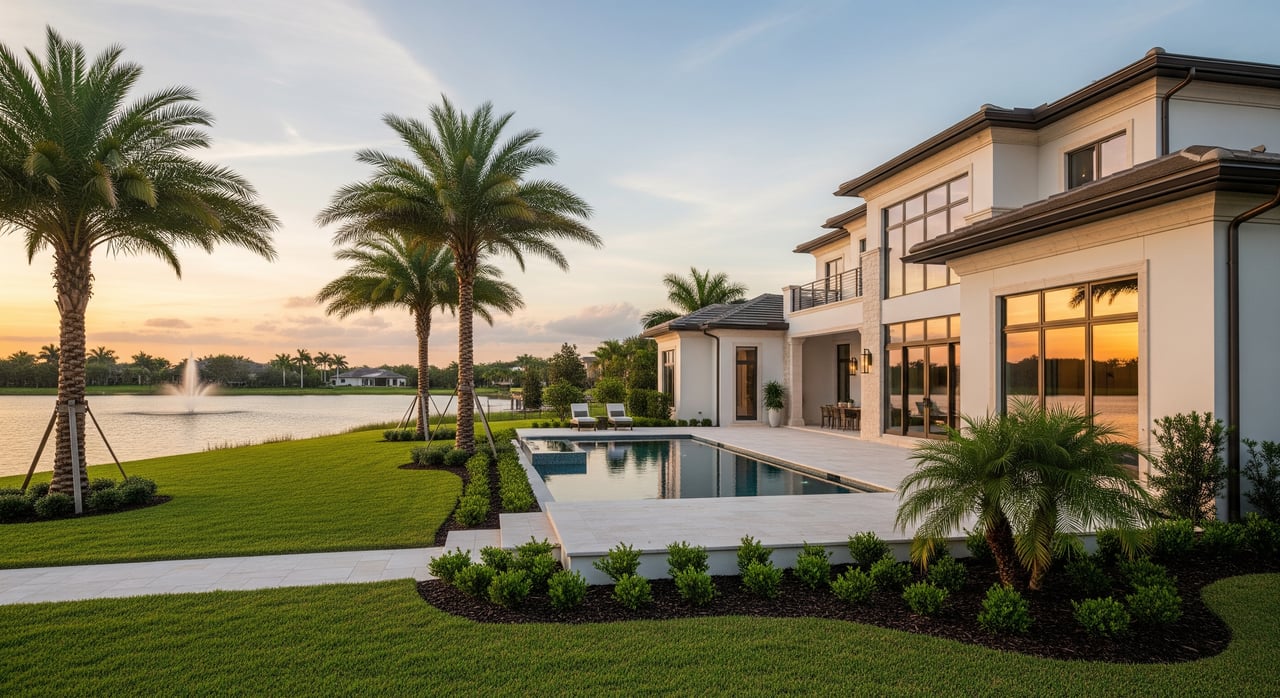
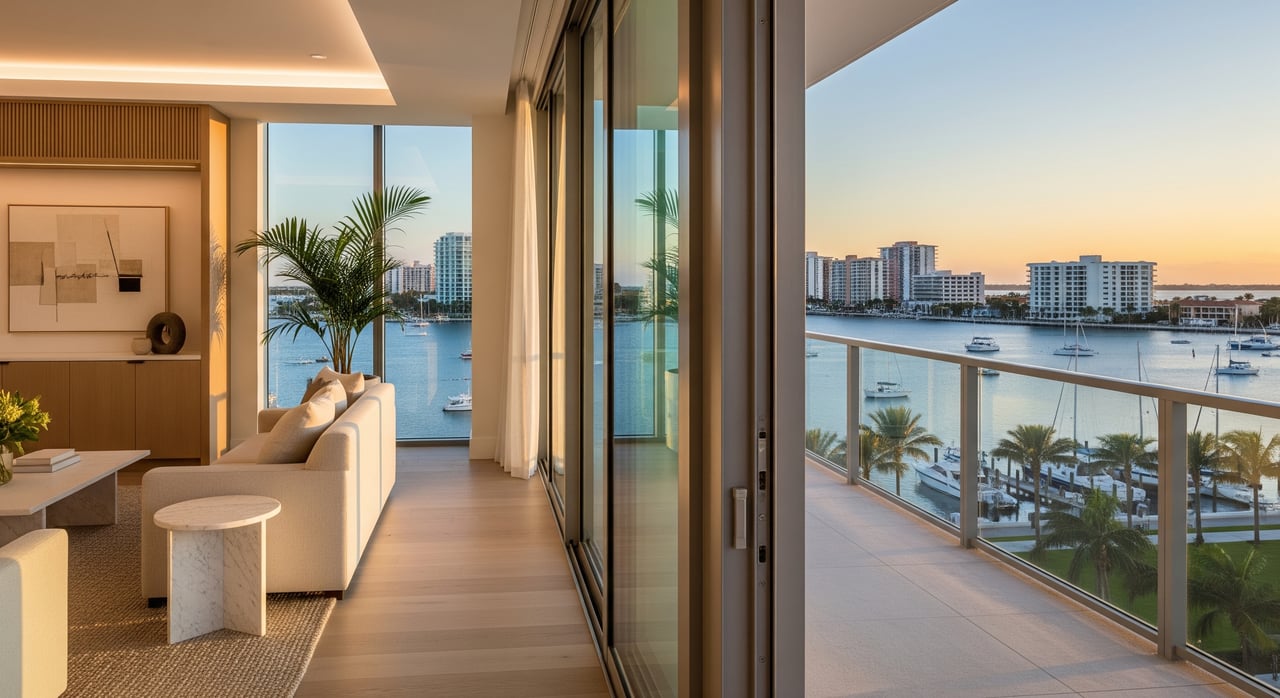
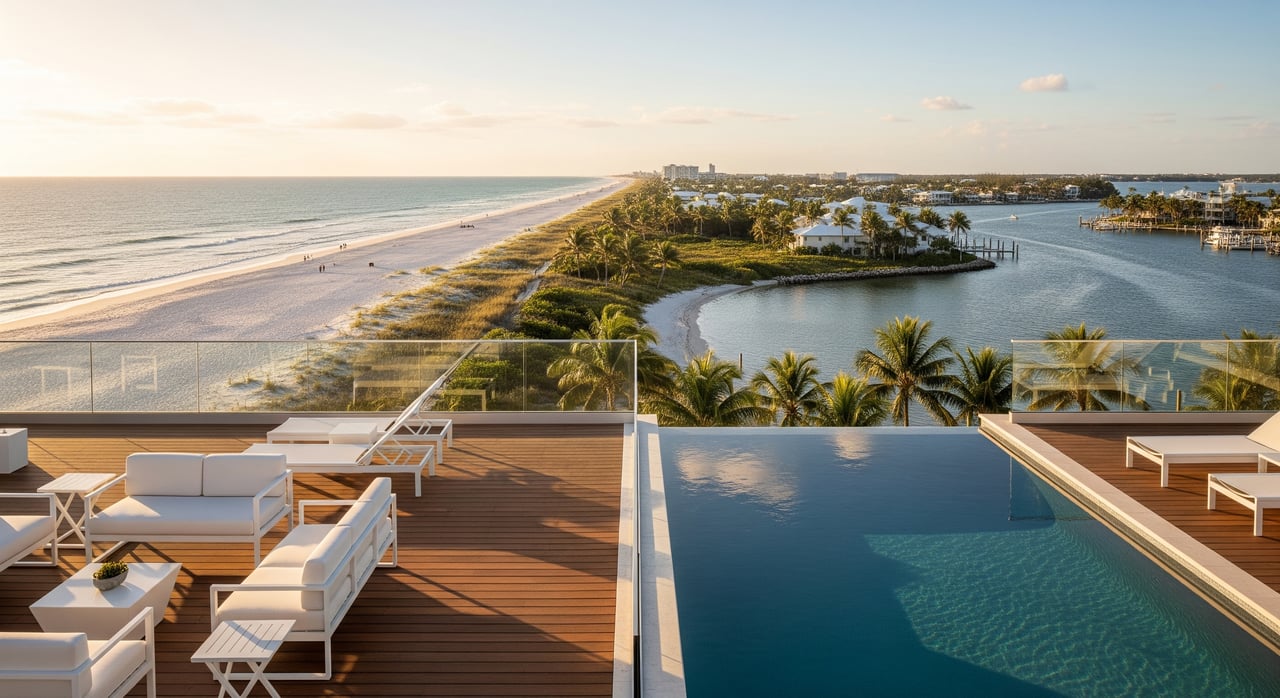
On the Gulf side, you look out over open water and experience wide western skies with sunset views. On the bay side, you see protected waters, mangroves, marinas, and sunrises. The pace feels different, too. The Gulf side skews toward beach activity, while the bay side leans into boating and quiet morning water scenes.
Gulf lifestyle: beach and sunsets
Beach access and recreation
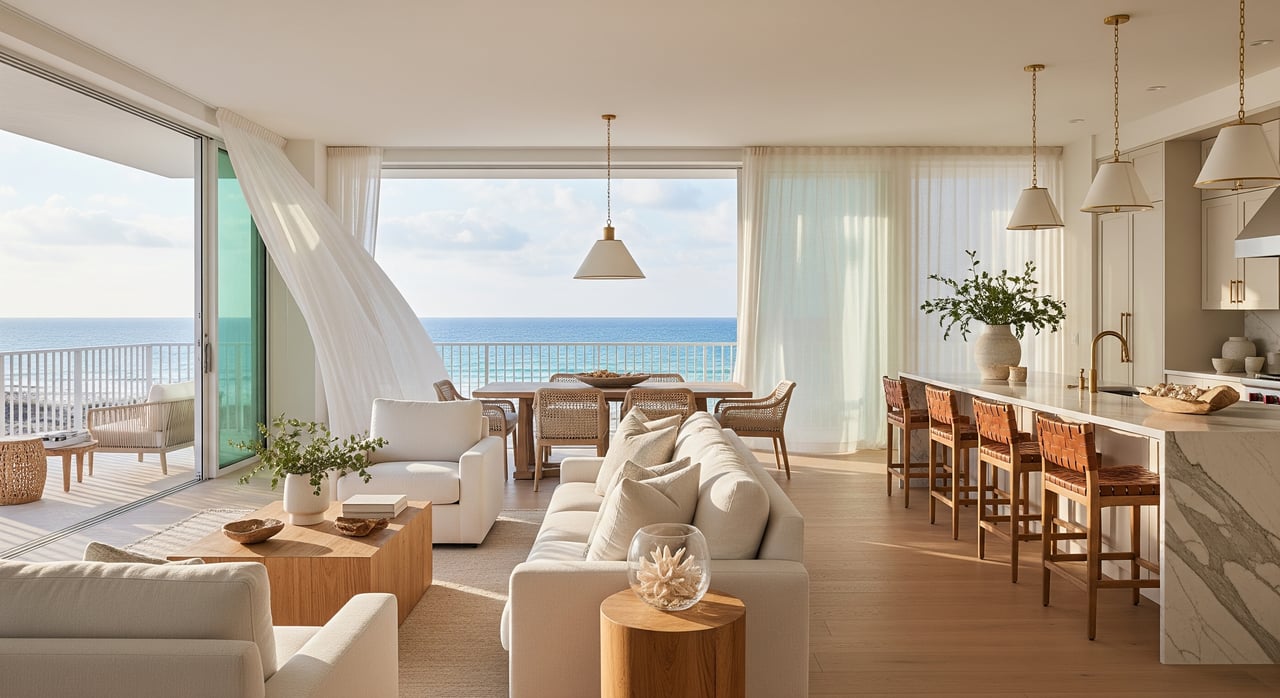
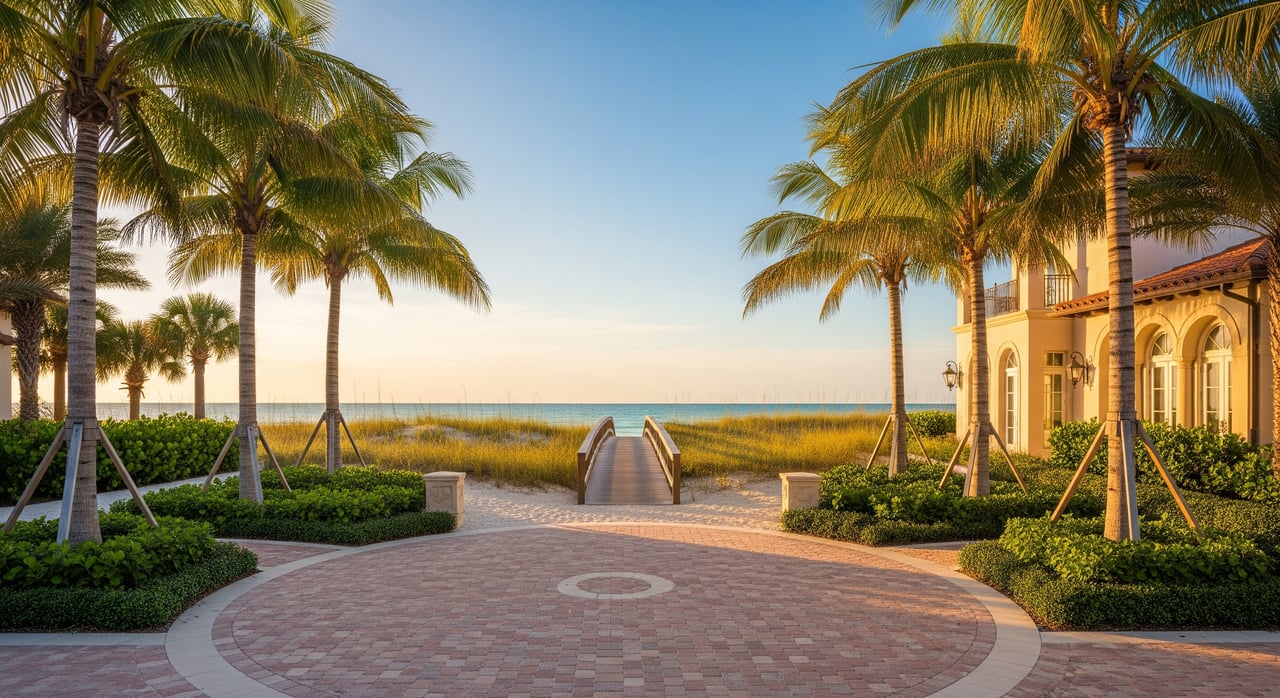
If you want sand at your doorstep, the Gulf side delivers. You’ll enjoy direct beach access for swimming, sunbathing, and beachcombing. Western exposure gives you unobstructed sunsets and a wider horizon. Stronger wave energy makes this side better for surf, kiteboarding, and active beach sports.
Gulf-front tradeoffs include more exposure to wind, wave action, and storm surge. Beaches can narrow after storm events. Not every property has a broad private beach, so confirm local access and setback rules before you decide.
Views, vibe, and activity
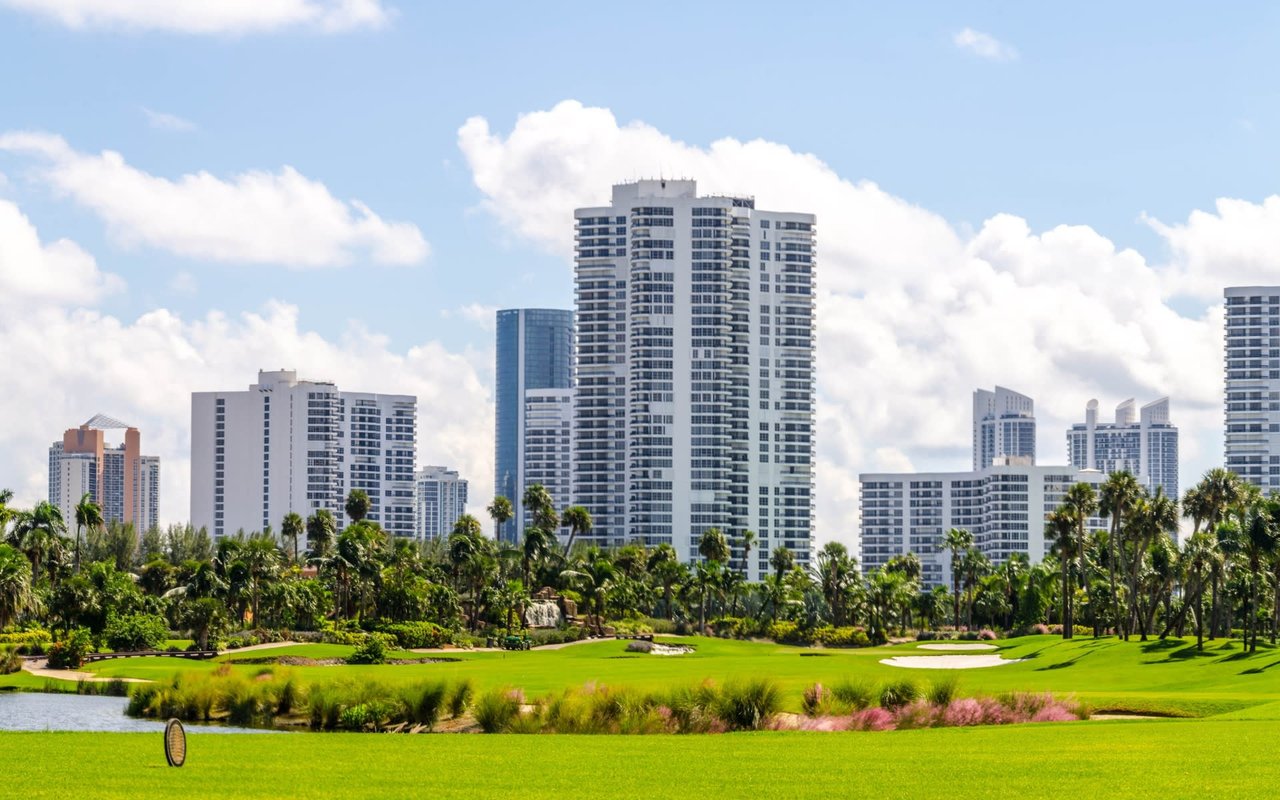
Gulf-front properties typically enjoy panoramic ocean views. Near public access points and resorts, you may see more pedestrian traffic and seasonal crowds. Nighttime can be livelier on weekends near popular beach spots. If you prefer a quieter shoreline, look at stretches away from major access points.
Gulf-side property types
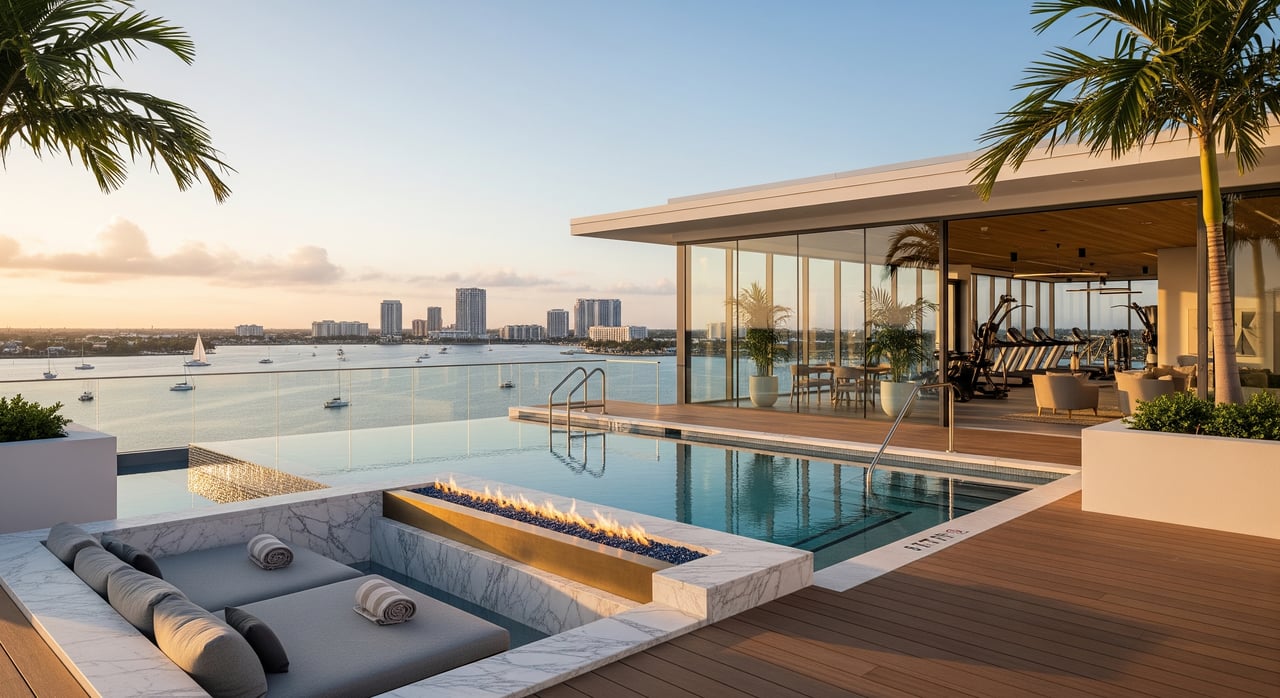
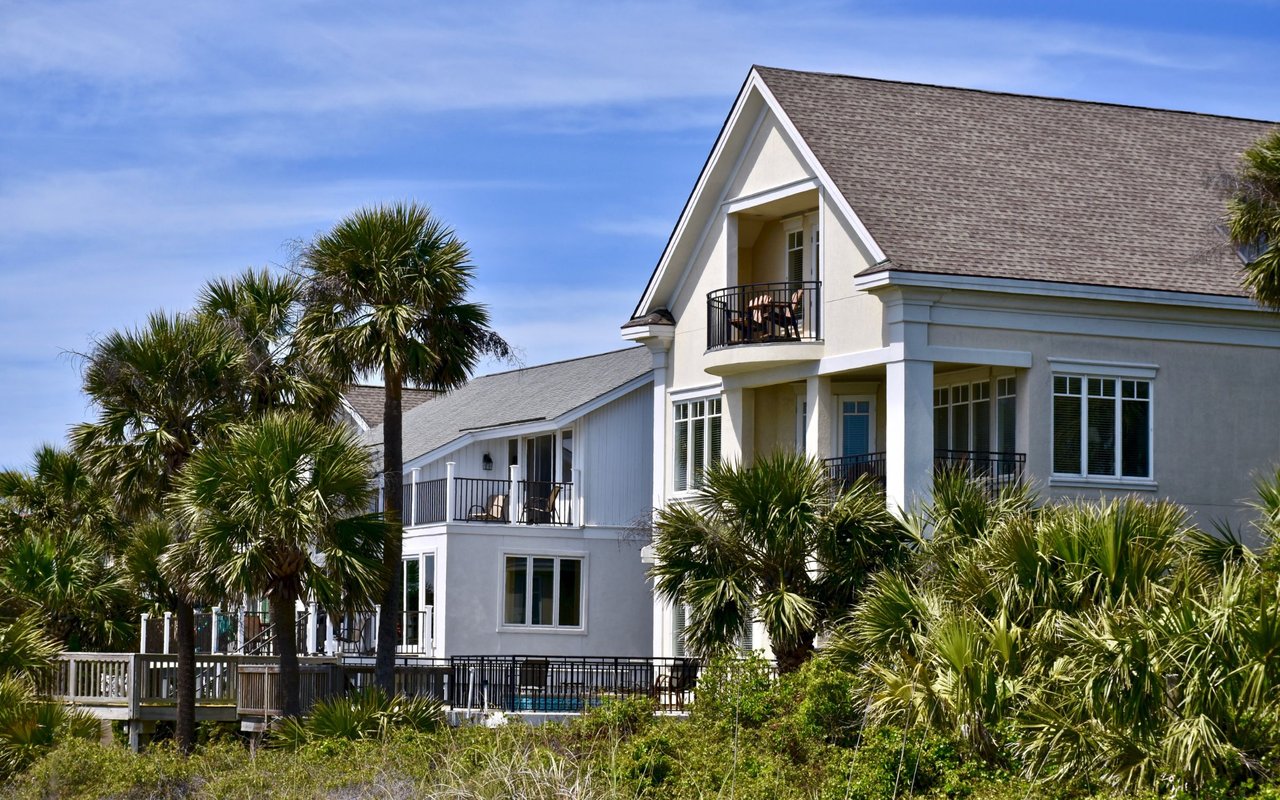
You’ll find mid- and high-rise condos with terraces and amenity decks, plus a mix of beachfront single-family homes and duplexes. Many structures are elevated or built with reinforced materials to handle coastal wind and flood code requirements. HOAs on this side often manage beach access, dunes, and amenity complexes.
Bay lifestyle: boating and calm waters
Boating and dock access
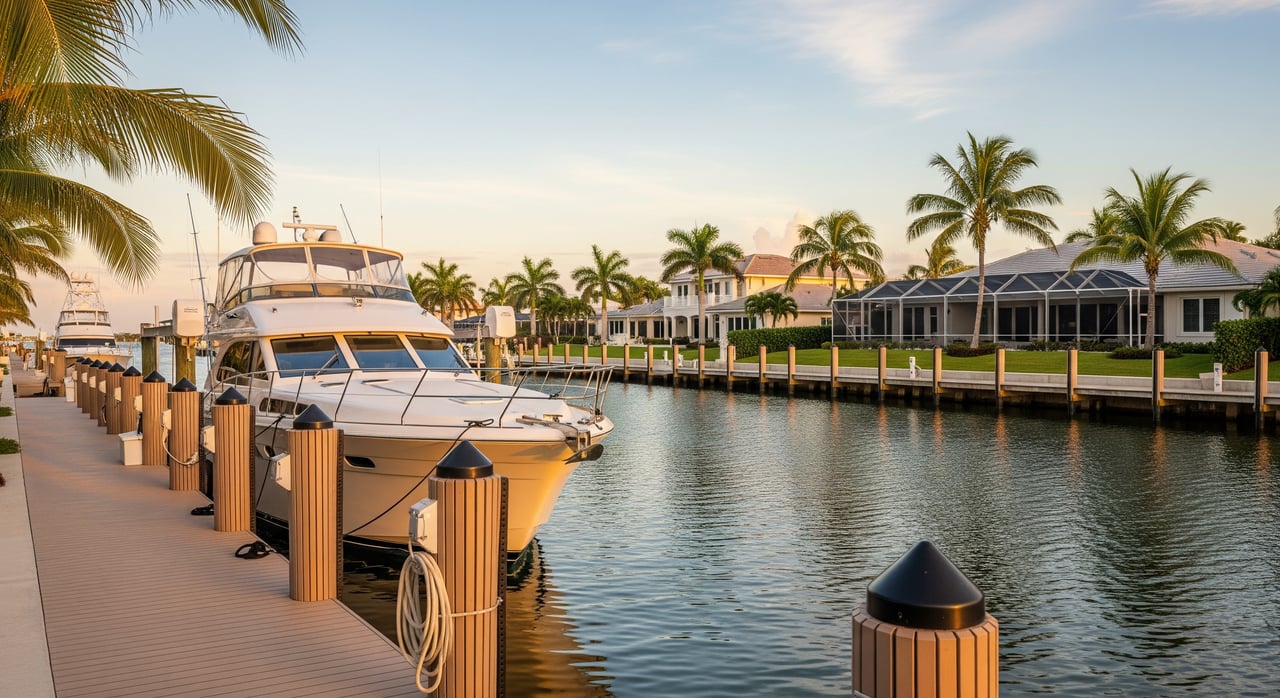
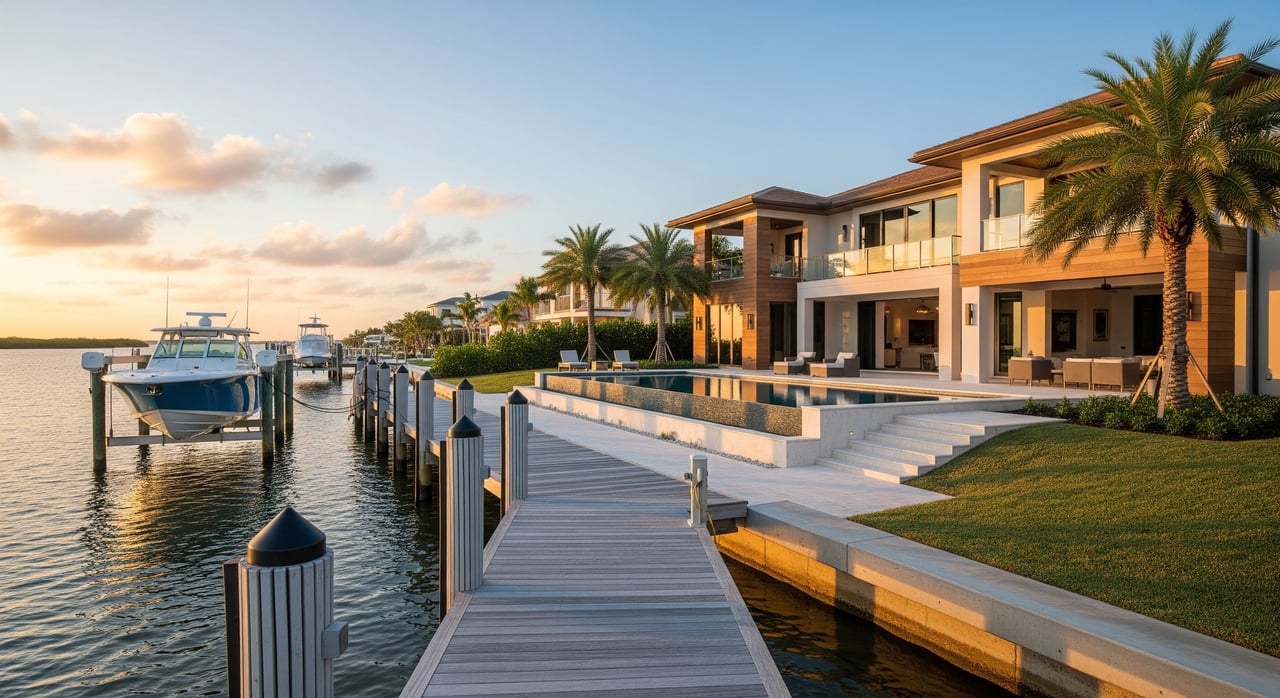
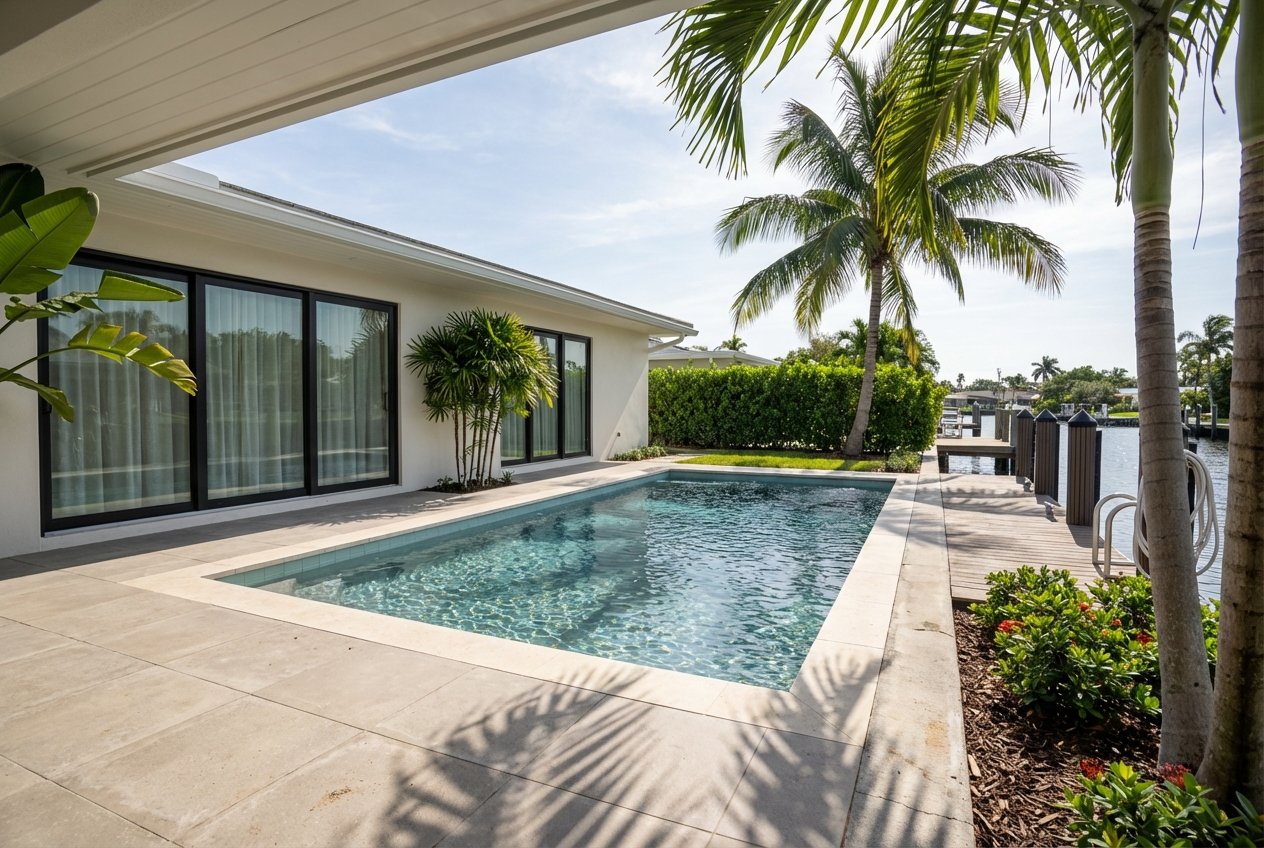
For boaters, the bay side is usually the better fit. Bayfront properties more commonly offer private docks or bulkheads with sheltered access to the Intracoastal Waterway and nearby marinas. Depths and conditions are often suitable for day boats, and calmer waters are ideal for kayaking and paddleboarding.
If you plan to add or modify a dock, expect permitting and rules tied to seawalls, mangroves, and seagrass protections. Always verify water depths, tides, permitted dock lengths, and any HOA or municipal restrictions.
Sunrise views and quiet water
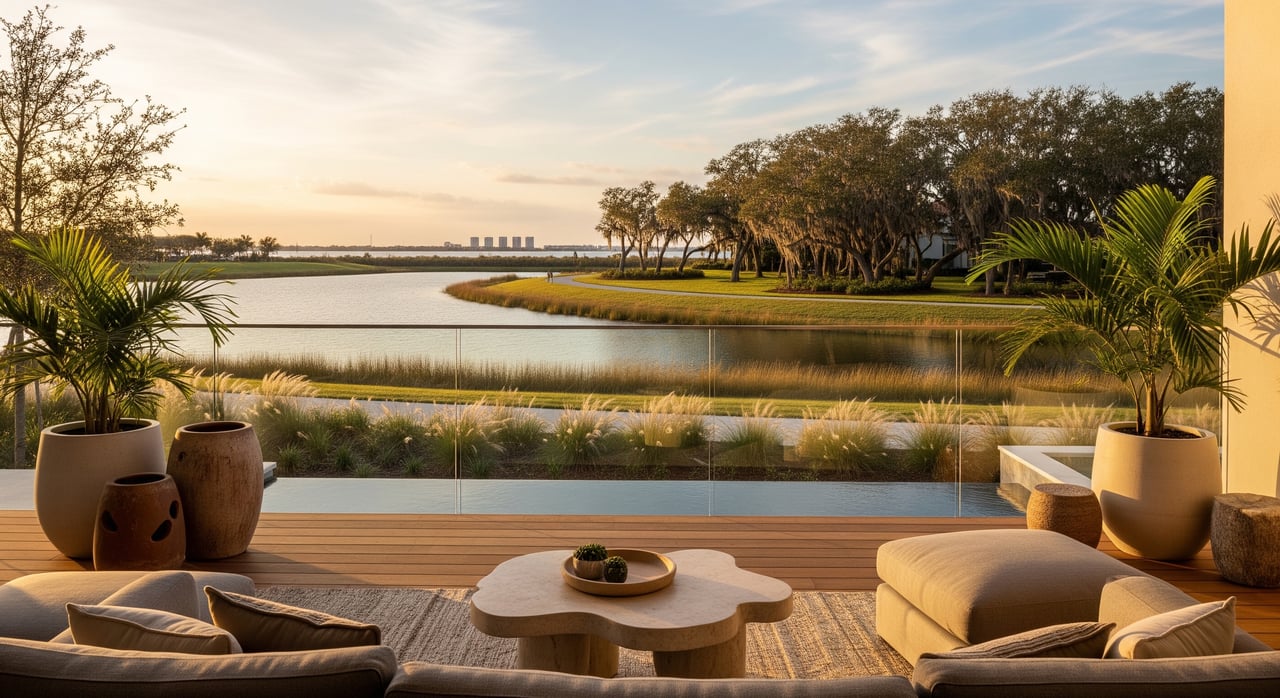
Bayfront living delivers glassy morning water and sunrise light. Many owners enjoy lower wind exposure and a more private water setting. That said, some channels can see steady boat movement during high season, so check traffic patterns near your specific property.
Bay-side property types
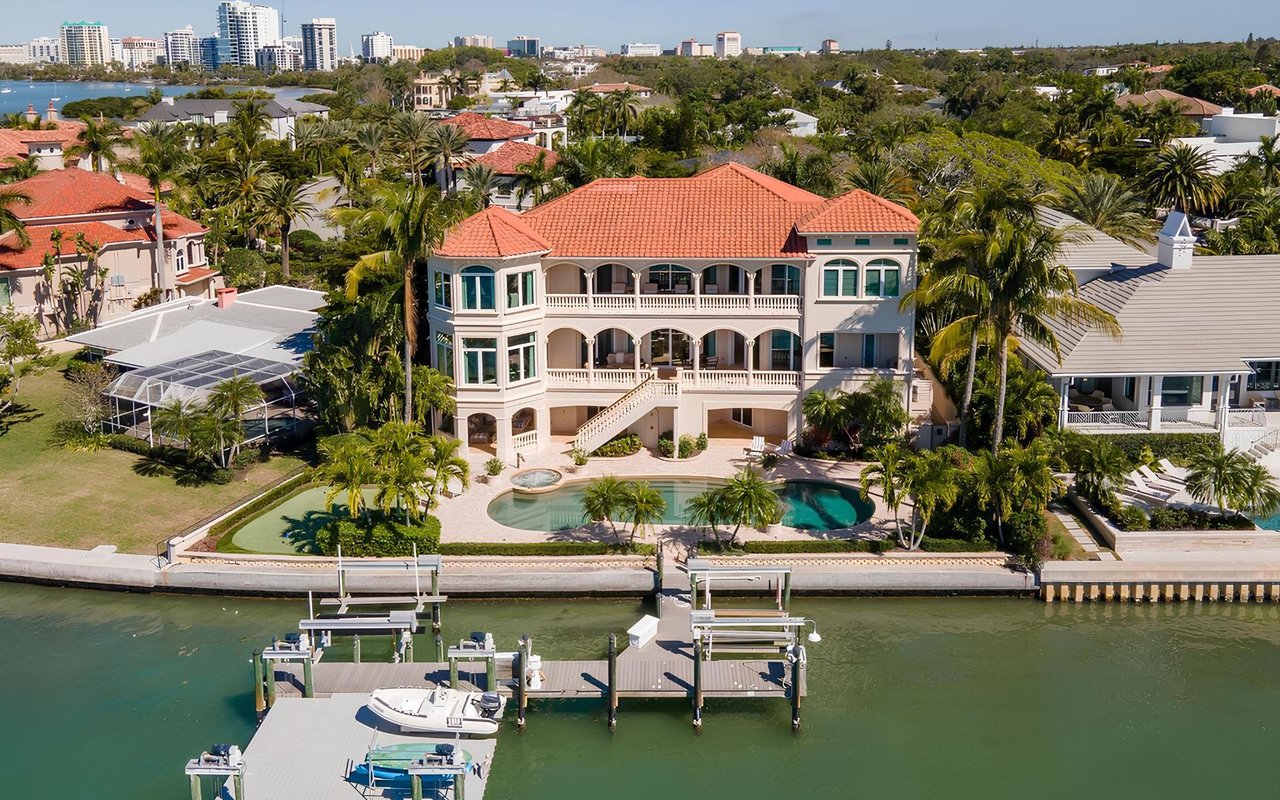
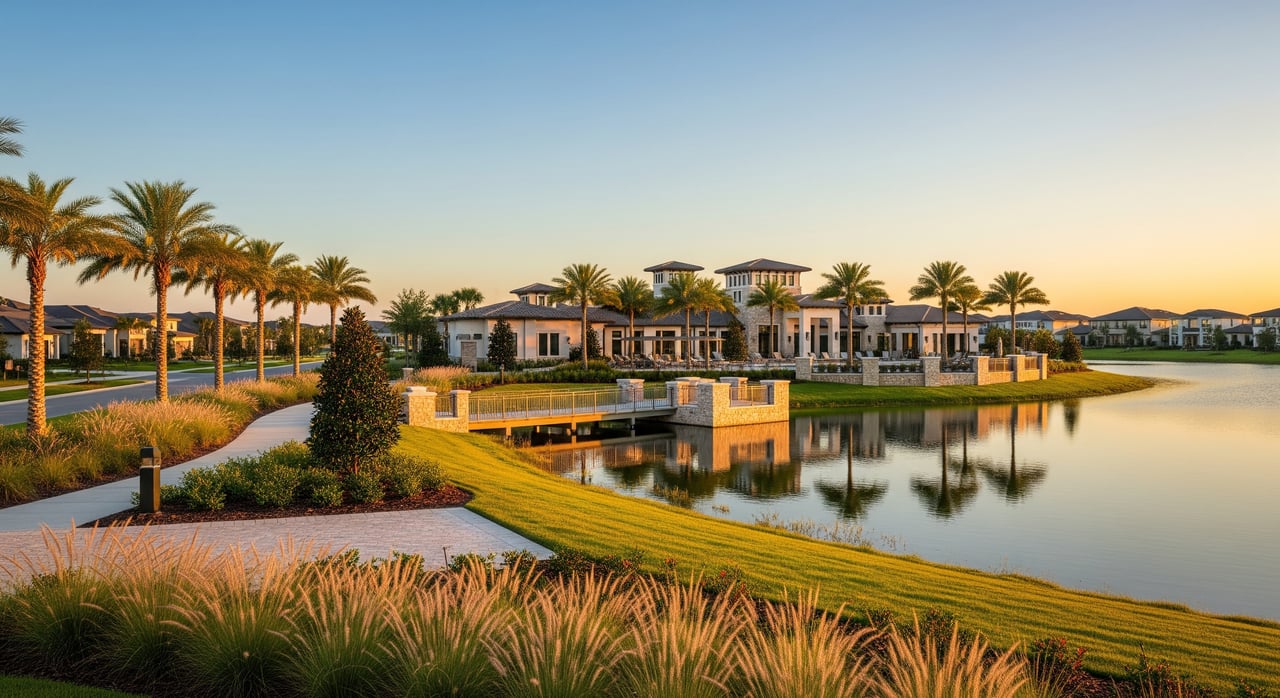
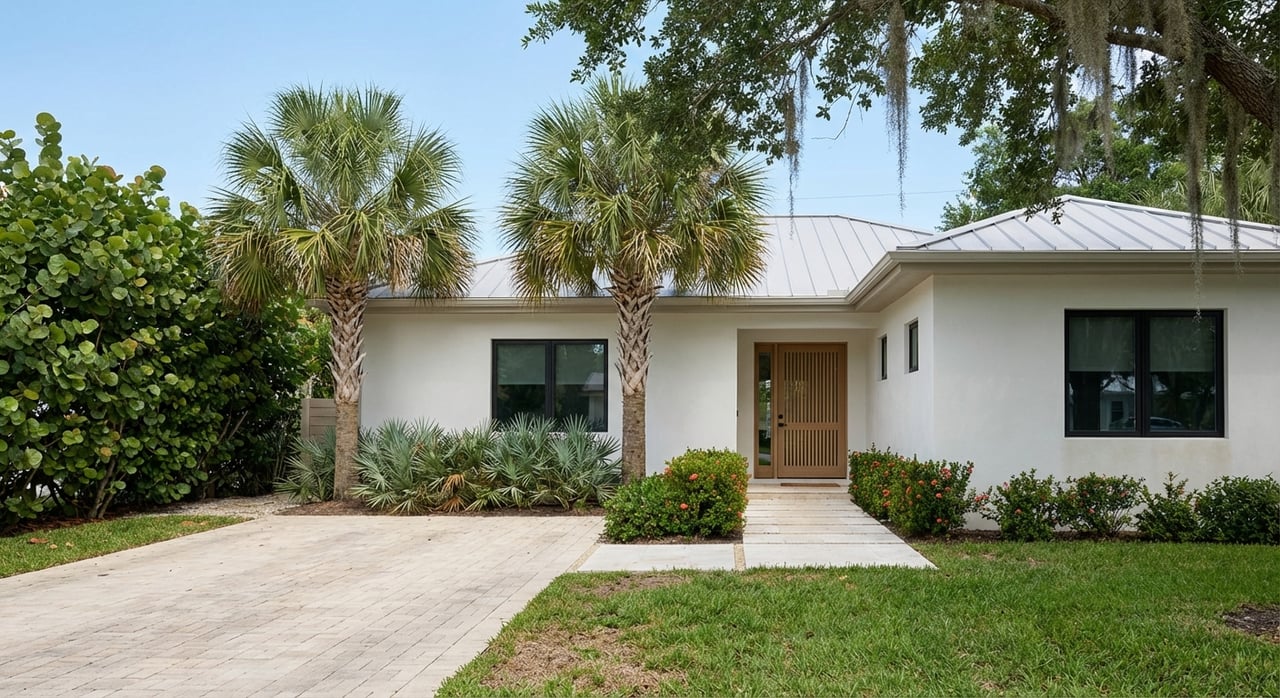
You’ll see single-family homes with seawalls and private docks, along with low- to mid-rise condos, townhomes, and marina-adjacent developments. Yards often end at a bulkhead rather than a sandy beach. HOAs on this side tend to manage docks, seawalls, and marina rules, including slip assignments and maintenance.
Costs and risk: what changes by side
Flood, wind, and insurance
Gulf-front properties are generally more exposed to wave action and storm surge. Many fall into higher-risk FEMA flood zones with higher base flood elevations or velocity designations. This can mean higher flood and windstorm insurance costs and stricter building requirements for new construction or major renovations.
Bayfront homes still face tidal flooding risk because they front waterways, but wave energy is typically lower. Bay owners may trade lower wave exposure for costs tied to seawalls, docks, and channel maintenance in certain areas. For any property, check the flood zone and elevation certificate, and obtain insurance quotes before you commit.
Environmental and seasonal rules
Beachside owners must follow sea turtle nesting rules that limit visible beachfront lighting and may affect construction timing during the season. Beach renourishment projects can also occur and may involve special assessments depending on local funding.
On the bay side, you’ll navigate mangrove protections, seagrass conservation, and speed zones that protect manatees and sensitive habitats. Dock and seawall projects require permits and compliance with county, state, and often federal agencies.
HOA and maintenance differences
Gulf-side HOAs often oversee dune care, beach walkovers, and shared amenities. They may carry substantial master policies for coastal risk and can levy special assessments for major projects. Bay-side associations may manage docks, slips, and seawalls, with costs tied to maintenance or dredging where applicable. Always review reserve studies, recent assessments, and upcoming capital projects.
Buyer fit: match your goals to each side
Choose Gulf-front if you prioritize
- Direct sandy beach access for daily shoreline living.
- Sunset views and an open-water horizon.
- A resort-style feel with amenities and active beach recreation.
Choose bayfront if you prioritize
- Private dockage, sheltered boating, and quick ICW access.
- Calmer waters for kayaking and paddleboarding.
- Sunrise views, more privacy, and often more square footage per dollar compared to direct Gulf-front.
Seasonal vs year-round living
Seasonal owners often prefer low-maintenance condos with strong amenities on either side. Year-round residents may favor bayfront single-family homes for dock access, space, and storage. Both markets can be competitive in peak season, so timing and preparation matter.
Property types and age: what to expect
Many Longboat Key residences date from the 1960s through the 1990s, with considerable renovation and some redevelopment since. Older buildings can carry deferred maintenance or special assessments, and condos may require upgrades like elevator modernization or hurricane-resistance improvements. Review building reports, reserves, and recent work to understand long-term costs.
Due diligence: your buyer checklist
Use this shortlist to compare properties side by side:
- Confirm exact orientation and view: sunrise, sunset, and any obstructions.
- Verify FEMA flood zone, elevation certificate, and any past flood claims.
- Get windstorm and flood insurance quotes from local agents.
- For bayfront: confirm dock permit status, water depths at various tides, and riparian rights.
- Review HOA documents, reserve studies, special assessments, rental rules, and slip assignment policies.
- Check permitting history for seawalls, dunes, vegetation, or structural repairs.
- Ask about beach renourishment schedules or proposed municipal assessments.
- Understand environmental rules: turtle lighting, mangrove trimming, seagrass, and speed zones.
- Test walkability to beaches, restaurants, marinas, and your preferred bridge routes.
- Inspect seawalls, pilings, and structural components, especially in older buildings.
How to compare specific homes
Create a simple scorecard for each property you tour:
- Lifestyle fit: beach vs boating, sunrise vs sunset.
- Access: dock depth, pass access to the Gulf, beach proximity, and parking.
- Risk and cost: flood zone, insurance quotes, HOA health, and expected maintenance.
- Property condition: age, structural reports, recent upgrades, and code compliance.
- Long-term plan: year-round use, seasonal visits, or investment strategy.
A straightforward scorecard helps you align the lifestyle you want with the practical realities of owning on the coast. Small differences in flood elevation, dock depth, or HOA reserves can change your total cost of ownership.
Plan your Longboat Key move
Both sides of Longboat Key offer an exceptional coastal lifestyle. The Gulf side sells classic beach-and-sunset living. The bay side delivers sheltered waters, dockage, and a quieter morning rhythm. Your best choice depends on how you plan to use the water, what you value in daily views, and your comfort with insurance and maintenance.
If you want a tailored short list with insurance quotes, flood and dock details, and HOA reviews, connect with the local team that does this every day. Reach out to SRQ Coastal Living to Schedule a Complimentary Coastal Consultation.
FAQs
Which side is best for sunsets or sunrises on Longboat Key?
- The Gulf side faces west for sunsets, while the bay side faces east for sunrises over Sarasota Bay.
If I own a 25 to 35 foot boat, which side fits best?
- Bayfront homes typically offer private docks and sheltered access to the Intracoastal Waterway, which suits day boats in this size range.
How do insurance costs compare between Gulf and bay properties?
- Gulf-front homes are generally more exposed to waves and storm surge, which can mean higher flood and windstorm premiums compared to many bayfront locations.
Do Gulf-front condos have private beaches on Longboat Key?
- Some Gulf-front associations control beach access and maintain dunes, but beach width and privacy vary by location and local access rules.
Will sea turtle lighting rules affect my beachfront home?
- Yes. During nesting season, beachfront lighting must follow local ordinances that limit visible light from the beach.
Are seawalls common on the bay side and what do they cost?
- Seawalls are common on bayfront lots, and owners should budget for periodic maintenance or repairs, with costs varying by condition and length.
How often does beach renourishment occur, and could I be assessed?
- Renourishment schedules vary by project and jurisdiction, and some programs may include special assessments for affected Gulf-front owners.
Which side is better for year-round living vs a seasonal home?
- Seasonal owners often choose amenity-rich condos on either side, while many full-time residents favor bayfront single-family homes for dockage and space.