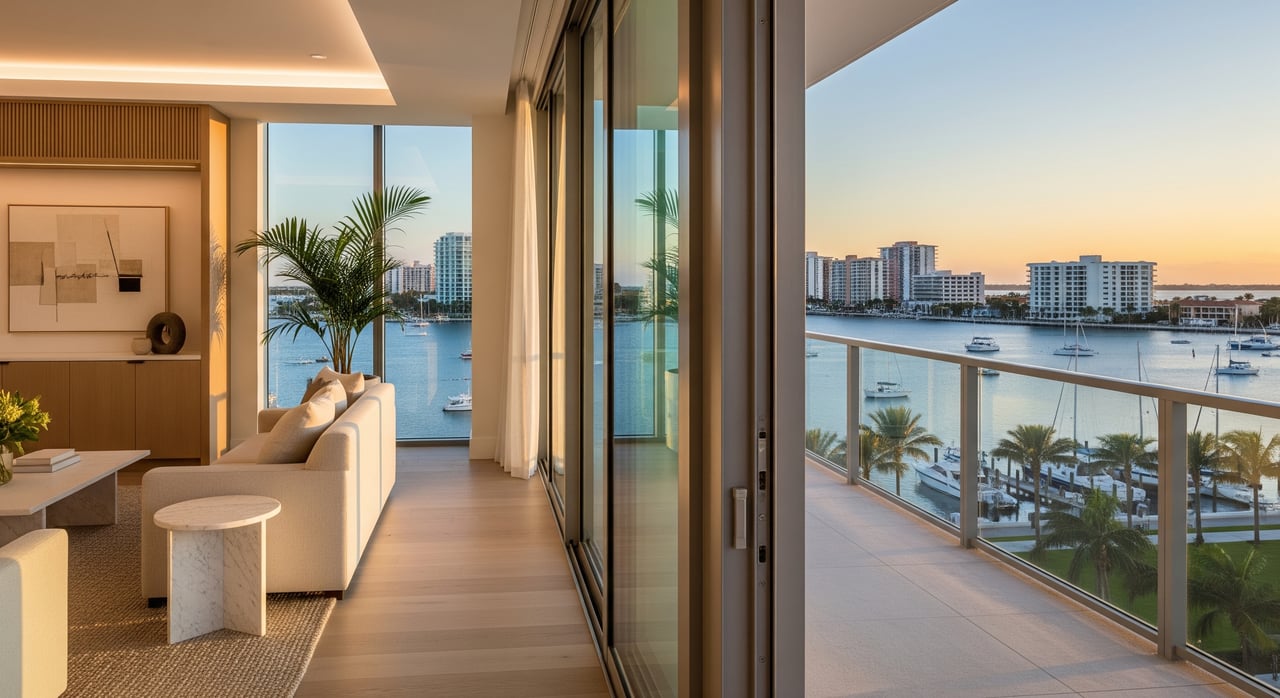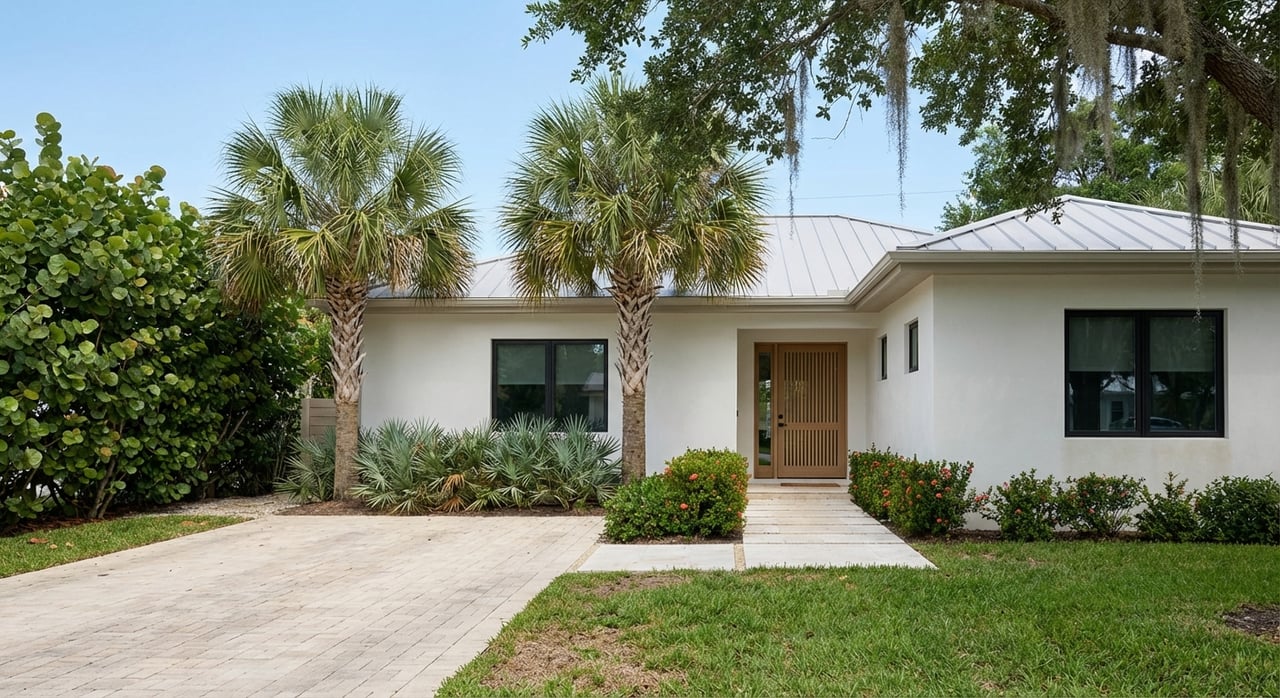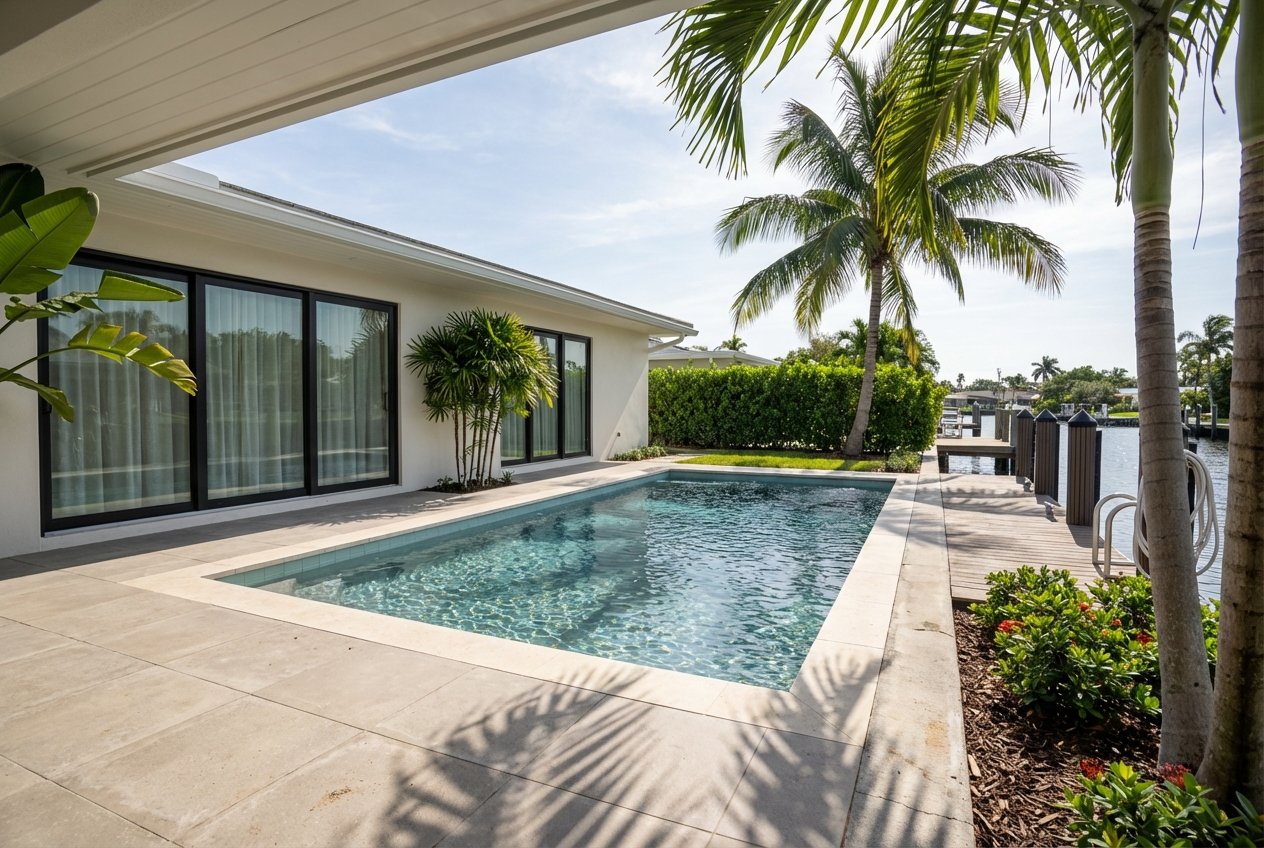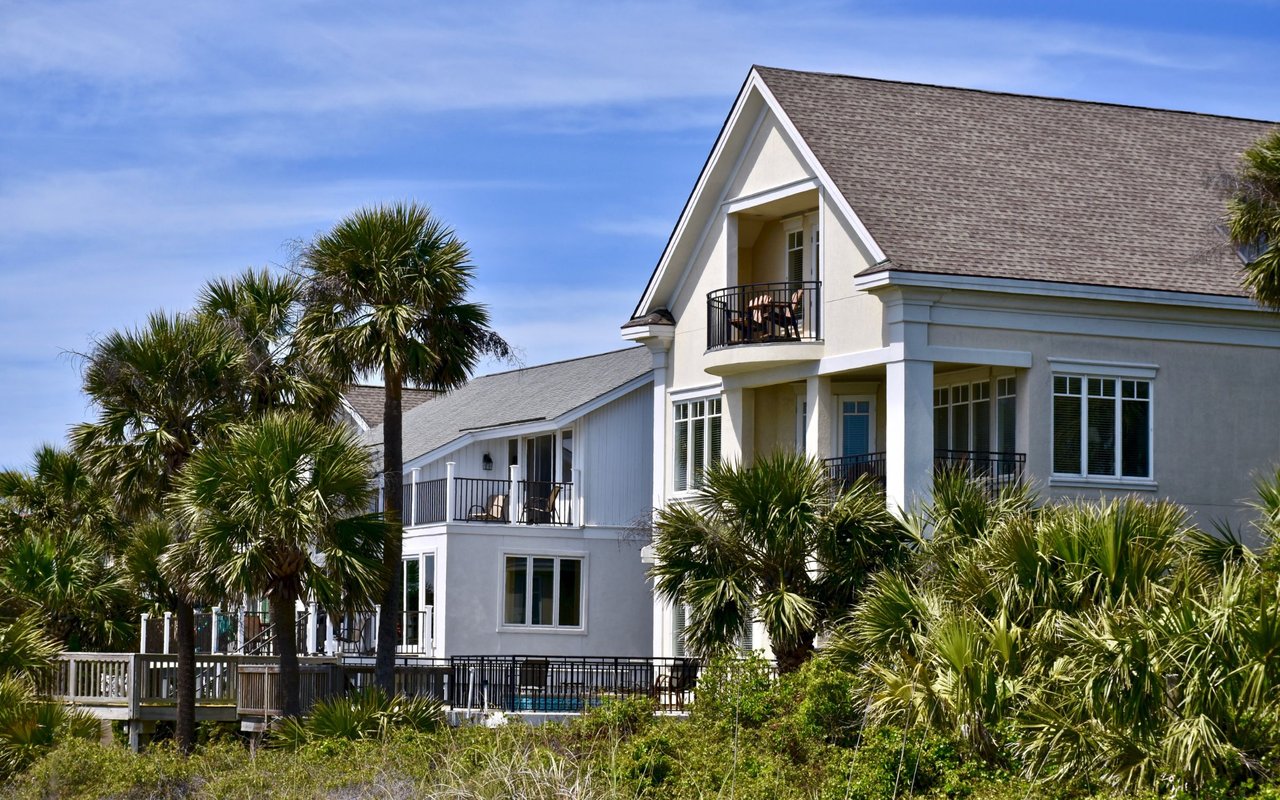
Wondering what your condo budget really buys in Downtown Sarasota? With so many buildings and lifestyles to choose from, it can be hard to know which amenities are standard and which push fees higher. You want a home that fits your day-to-day life without surprise costs. In this guide, you’ll learn what to expect at three price tiers, how amenities affect monthly dues, and the documents to review before you write an offer. Let’s dive in.
How amenities shape price in Downtown Sarasota
Downtown Sarasota offers a mix of luxury high-rises, mid-rise and boutique buildings, and older low-rise properties. Waterfront towers often deliver the most extensive amenity packages and the highest operating costs. Coastal factors like wind and flood exposure, plus Florida’s regulatory environment, shape how buildings plan and pay for amenities. Rules in the Florida Statutes Chapter 718 guide how condo associations budget, manage reserves, and disclose information to buyers.
Staffed services, rooftop structures, and larger amenity spaces typically raise the operating budget. Insurance is another major driver in Florida. For background on market conditions, review updates from the Florida Office of Insurance Regulation. Flood risk and building elevation also matter. You can check flood zones through the FEMA Flood Map Service Center to understand potential exposure.
What you get by price tier
Not every building fits neatly into a tier, but these patterns will help you set expectations and build a focused shortlist.
Entry-tier condos: baseline comfort
If you are targeting a lower purchase price within downtown, expect older low- to mid-rise buildings with simpler floorplans. These properties often sit a bit inland from the water. They trade fewer services for lower monthly fees, but older systems can carry repair or assessment risk.
Typical amenities at this tier:
- Basic ground-level pool and modest community room
- Assigned surface or uncovered parking, sometimes gated
- Coin or in-unit laundry depending on building
- Small fitness room if any, and no concierge or valet
What this means for you:
- HOA fees are usually lower, since there is little or no staffing
- Insurance and aging building systems can still lead to special assessments
- Review reserve strength and recent capital projects to gauge near-term risks
Mid-tier condos: balanced lifestyle and cost
Mid-tier buildings range from renovated mid-rises to newer high-rises. You’ll often see larger units, better finishes, and more common spaces. Amenities support an active lifestyle without the full-service staffing of luxury towers.
Typical amenities at this tier:
- Staffed front desk during set hours, sometimes limited concierge
- On-site fitness center, often with occasional classes
- Pool, sometimes rooftop, plus a hot tub or small spa
- Secure garage parking and package room
- Club room, business center, and pet-friendly policies with limits
What this means for you:
- HOA fees are moderate, reflecting more services and utilities
- Capital planning is typically stronger, but still verify reserves and pending projects
- Rental policies tend to be clear, which can help if you want flexibility
Luxury-tier condos: full-service living
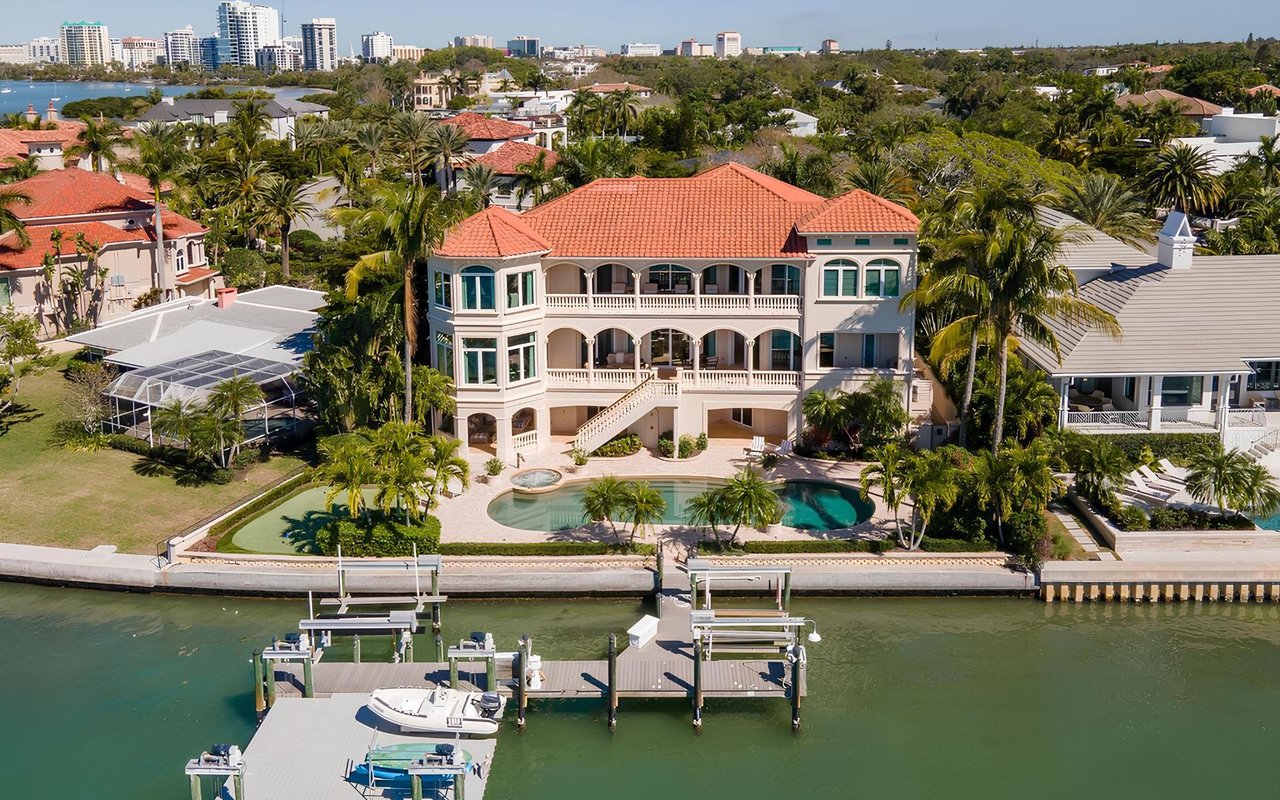
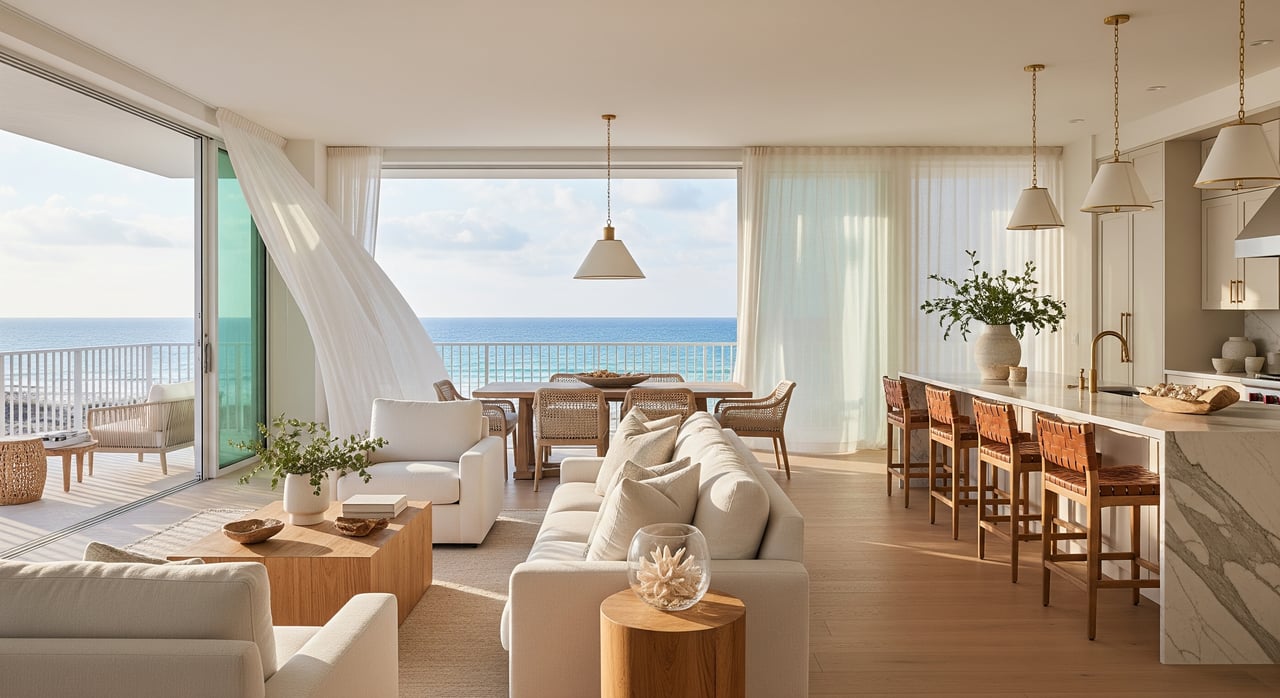
Luxury towers deliver premium finishes, larger floorplans, and high-touch services. Waterfront addresses dominate this tier. Expect strict building standards that protect privacy, maintenance quality, and long-term value.
Typical amenities at this tier:
- 24/7 concierge, doorman, on-site management, and security
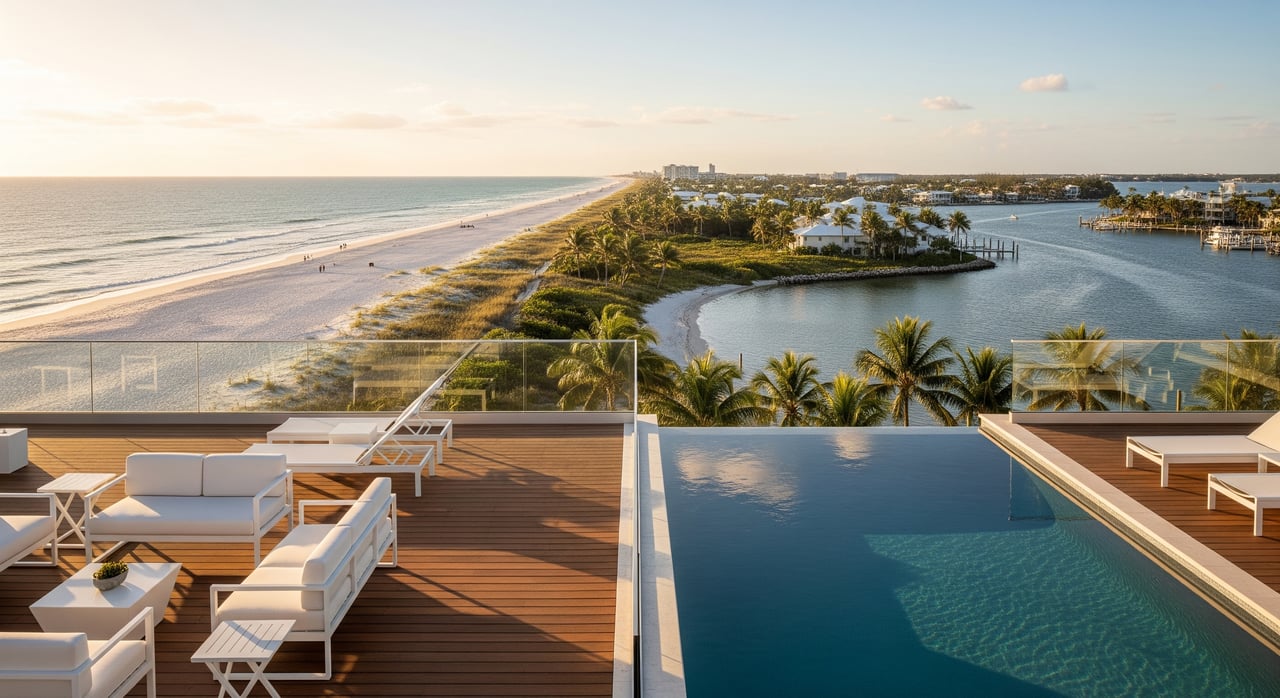
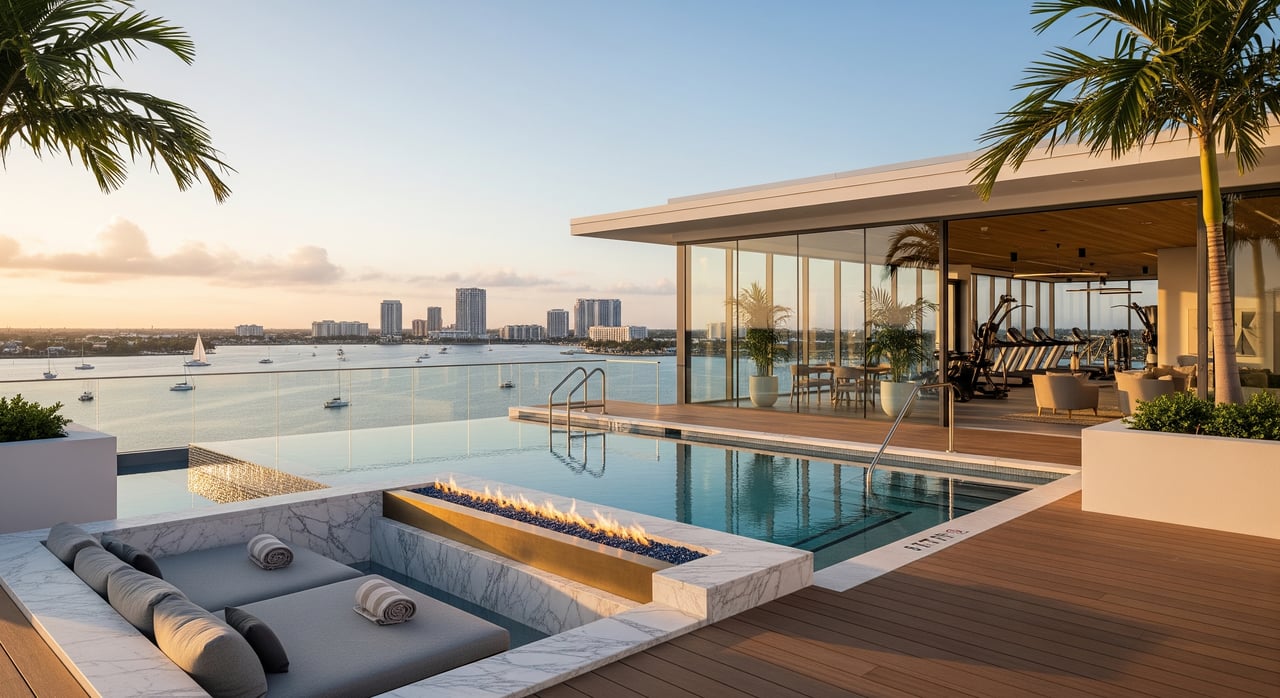
- Rooftop or resort-style pools with cabanas, spa facilities, and staffed fitness centers
- Valet plus assigned garage parking, private storage, and EV charging
- Club and dining rooms, wine storage, guest suites, and bicycle storage
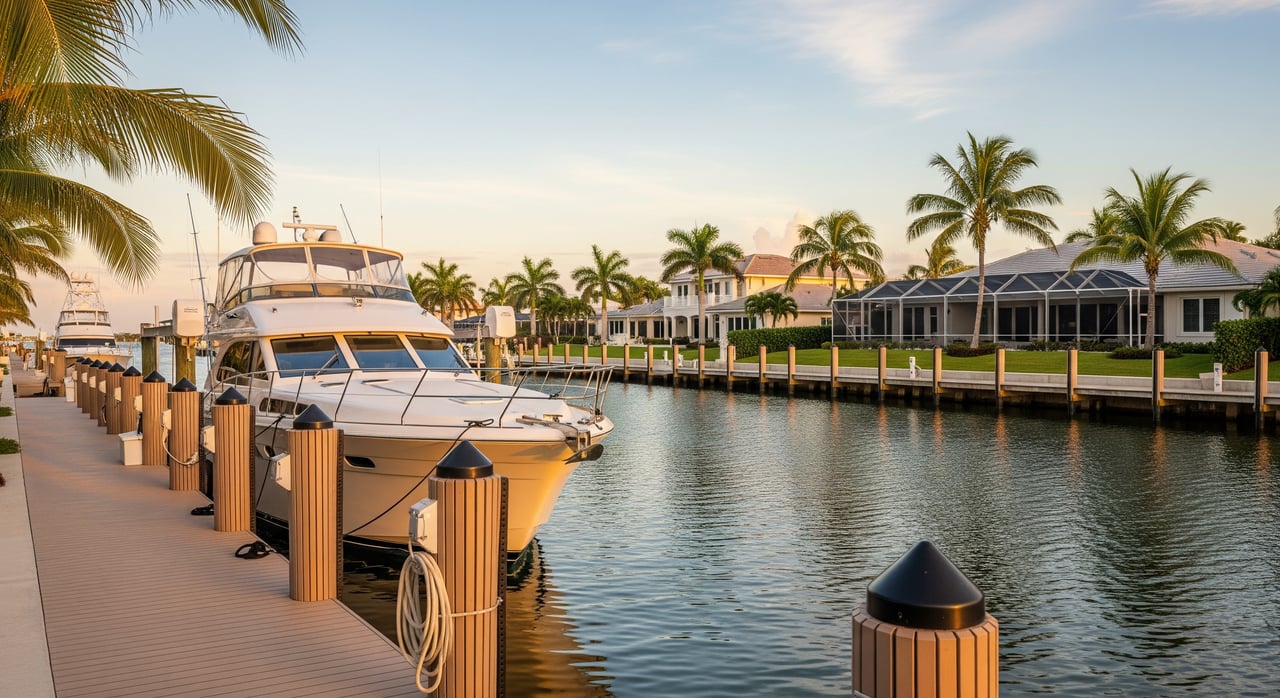
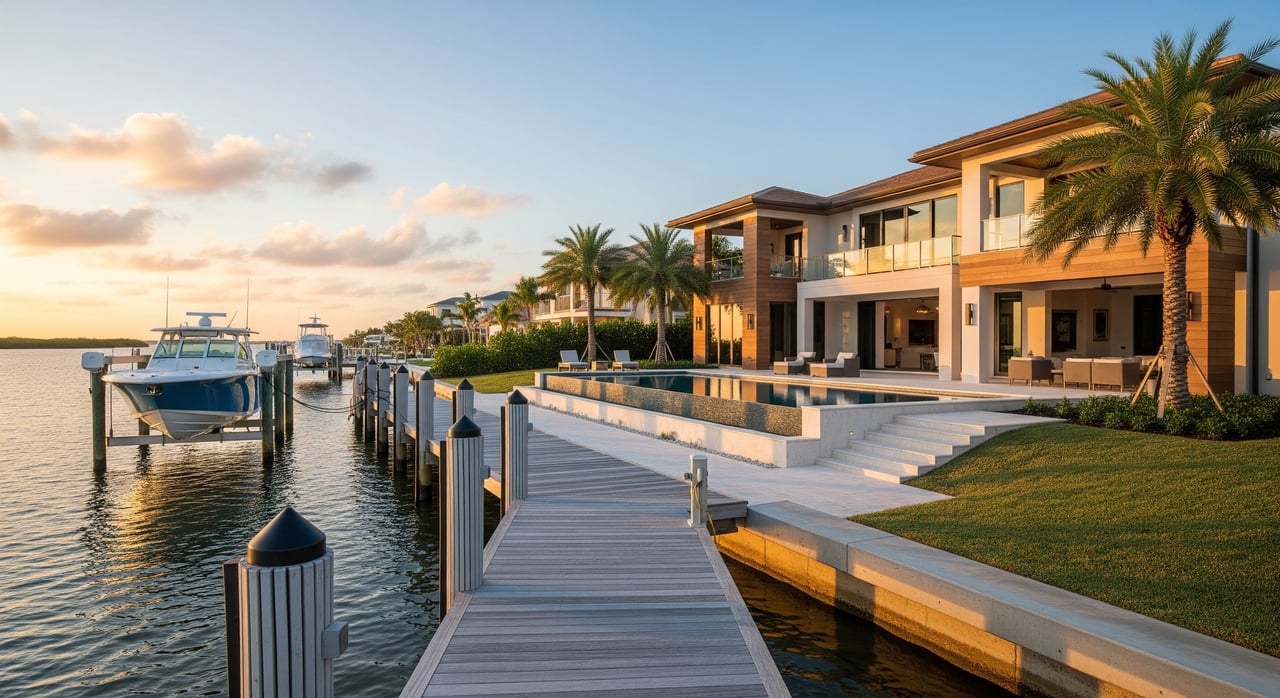
- Boat slips or exclusive marina access in select buildings
What this means for you:
- HOA fees are higher due to staffing and premium amenities
- Reserves often look strong, but replacement costs on elevators, pools, and systems are high
- Rules on design, leasing, and guest use help maintain building standards
Operating costs and HOA fees explained
More amenities mean more ongoing labor, maintenance, and insurance. A staffed front desk or valet adds recurring salaries, training, and security costs that become a notable line item in the budget. Pools require mechanical systems, chemicals, and safety oversight, which raises maintenance and liability costs. Elevators, HVAC, and access control systems also require regular service and eventual replacement.
Insurance is a major input in coastal Florida. Association property and wind policies have seen significant changes in recent years. Review the association’s insurance certificate and deductible exposure, then look at premium history to understand trends. For statewide context, you can track updates via the Florida Office of Insurance Regulation.
Flood risk matters too. A ground-level garage or amenity deck in a lower-elevation area can push insurance and mitigation costs higher. You can confirm a building’s zone on the FEMA Flood Map Service Center and discuss premium implications with your agent and lender.
Lifestyle-first shortlist method
Start with lifestyle, not a list of every amenity. Decide what you must have, then filter by budget.
Try these quick profiles:
- Active socialite: concierge, rooftop pool, large club room, frequent resident events
- Fitness-focused: large gym, classes, spa or sauna, secure bike storage
- Boaters and beach lovers: marina or boat slips, water views, easy Gulf access
- Budget-conscious downtown dweller: basic pool, assigned parking, low staffing costs
Use a simple scorecard for each building:
- Amenities you require and their staffing levels or hours
- Parking type and location, storage options, and guest suite access
- Pet policies, rental flexibility, and any usage rules
- Notes on age of building systems, recent projects, and reserve strength
Visit during different times. See the lobby on a weekday and the pool or fitness center on a weekend to check real-world condition and crowding. For any rooftop or structural features, you can search the City of Sarasota permitting history through Development Services to confirm past work.
Documents to review before you offer
Request these items early. They reveal both lifestyle and cost.
- Current association budget and most recent financial statements
- Reserve study or capital reserve analysis, plus current reserve balance
- Association insurance certificate and 5 to 10 years of claims history
- Declaration, Articles, Bylaws, and Rules and Regulations
- Board meeting minutes for the past 12 to 24 months
- Vendor contracts for management, security, landscaping, and fitness services
- Elevator inspections and maintenance records, pool logs
- Rental policy and any special assessments or pending lawsuits
Florida’s condo law sets expectations for budgets, reserves, and disclosures. You can reference Florida Statutes Chapter 718 for framework and buyer rights, and the Florida DBPR condominium resources for guidance and forms.
Key questions to ask the association or listing agent
Clarify how the lifestyle works and what it costs.
- Which amenities are included in monthly dues, and which require fees or reservations?
- Are concierge or valet services 24/7? What are the exact staffing levels and hours?
- How are guest suites, storage units, and boat slips allocated and priced?
- What special assessments occurred in the last 5 years, and what is planned next?
- How often are elevators, HVAC, and pool systems refurbished or replaced?
- What are the rules on leasing and short-term rentals, and how are violations handled?
Financing, insurance, and resale impact
Lenders often review a building’s financial health, owner-occupancy, and insurance. Strong reserves and stable budgets help loans close on time. Buildings with frequent assessments or uncertain insurance can slow approvals and affect your rate or terms.
Insurance costs influence total monthly housing expense. Ask how the association handles wind and flood deductibles and whether owners share any responsibility after a storm. To confirm building age and characteristics, use the Sarasota County Property Appraiser. Stable governance and transparent financials usually support better resale outcomes, while high fees can narrow the buyer pool even in amenity-rich towers.
Red flags to watch
Protect your budget and peace of mind by pausing when you see:
- Repeated special assessments or low reserve balances
- Pending litigation involving the association or developer
- Opaque or minimal insurance coverage details
- Unclear or overly restrictive rental or pet rules that do not align with your needs
- Deferred maintenance on elevators, pools, or building envelope
How to match your tier to your lifestyle
Use your day-to-day habits as the guide. If you value low maintenance and plan to use on-site services often, a mid or luxury building might justify higher dues. If you dine out and spend most of your free time away from the building, an entry-tier option with a simple amenity set could make more sense.
A quick decision tree:
- Do you want staffed assistance for deliveries, guests, and bookings? Consider mid or luxury.
- Will you actually use a large gym, spa, or rooftop pool weekly? If yes, mid or luxury. If no, entry or lighter mid-tier.
- Do you need marina access or private storage? Focus on waterfront or luxury towers with docks and storage.
- Is your top priority minimizing monthly costs? Target older or boutique buildings with basic amenities, then verify reserves.
When you are ready, work with a local advisor to compare doc sets and fee structures across a few finalists. If a building has a rooftop pool or major mechanical upgrades in progress, check the City permit records via Development Services to confirm timelines.
Ready to shortlist Downtown Sarasota condos?
You have a clear picture of what each price tier delivers, how amenities drive fees, and which documents to review before you offer. If you want help zeroing in on the right buildings, our team pairs local insight with a practical, document-first approach. We guide long-distance buyers, investors, and downsizers through the details so you can buy with confidence.
To compare options and see the latest opportunities, connect with SRQ Coastal Living. Schedule a Complimentary Coastal Consultation and let’s tailor a shortlist that fits your lifestyle and budget.
FAQs
What amenities can I expect in entry-tier Downtown Sarasota condos?
- Expect a basic pool, modest community room, assigned surface parking, and little to no staffed services, which helps keep monthly dues lower.
How do condo amenities affect monthly HOA fees in Downtown Sarasota?
- Staffing, pools, elevators, security systems, and insurance are the biggest drivers, so buildings with concierge, valet, and large amenity decks usually have higher dues.
Which documents should I review before buying a Sarasota condo?
- Request the budget, financials, reserve study, insurance certificate, governing documents, meeting minutes, vendor contracts, and maintenance records for elevators and pools.
How do flood and wind risks impact Downtown Sarasota condo costs?
- Flood zones and wind exposure influence association insurance premiums and deductibles, so confirm zones on FEMA maps and review policy terms and claim history.
Are rooftop pools in Sarasota worth the added cost?
- They add lifestyle value and views but raise maintenance, waterproofing, and insurance costs; assess usage, reserves, and recent rooftop waterproofing work before deciding.
How can investors evaluate rental flexibility in Downtown Sarasota condos?
- Check the declaration and rules for minimum lease terms, number of rentals per year, approval steps, and any penalties to ensure they align with your goals.