Wondering where to live in downtown Sarasota’s urban core? You are not alone. Many buyers start with “downtown Sarasota” as the goal, then realize the area includes several distinct pockets with different housing styles, price points, and day-to-day routines. This guide will help you compare the downtown core, Rosemary District, Laurel Park, Gillespie Park, Burns Court, and Park East so you can narrow in on the right fit for your lifestyle and priorities. Let’s dive in.
Downtown Sarasota Is Not One Neighborhood
One of the most important things to know is that downtown Sarasota is not a single, uniform neighborhood. The City of Sarasota’s planning framework separates the area into the Downtown Core, bayfront, Rosemary District, Laurel Park, Burns Court/Herald Square, and Park East.
That matters because your choice is rarely just “downtown or not downtown.” In practice, you are choosing between a condo-focused urban center, walkable mixed-use districts, and lower-scale historic residential pockets with a very different feel.
What Downtown Living Feels Like
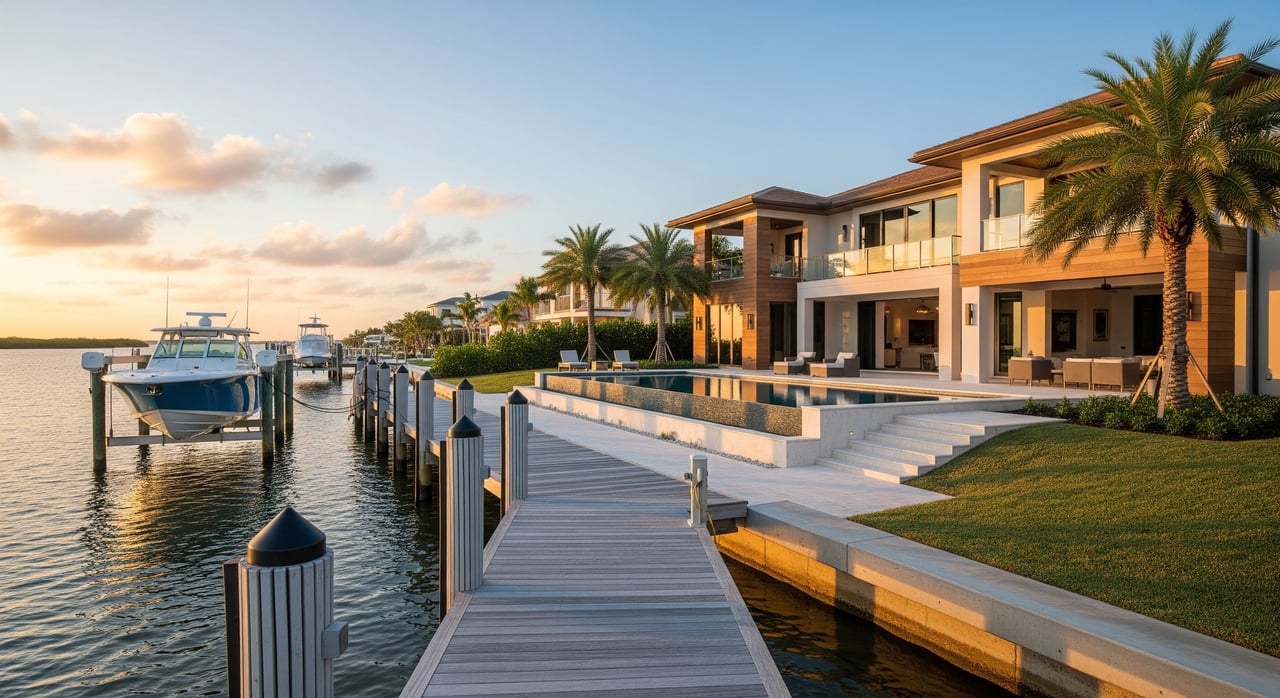
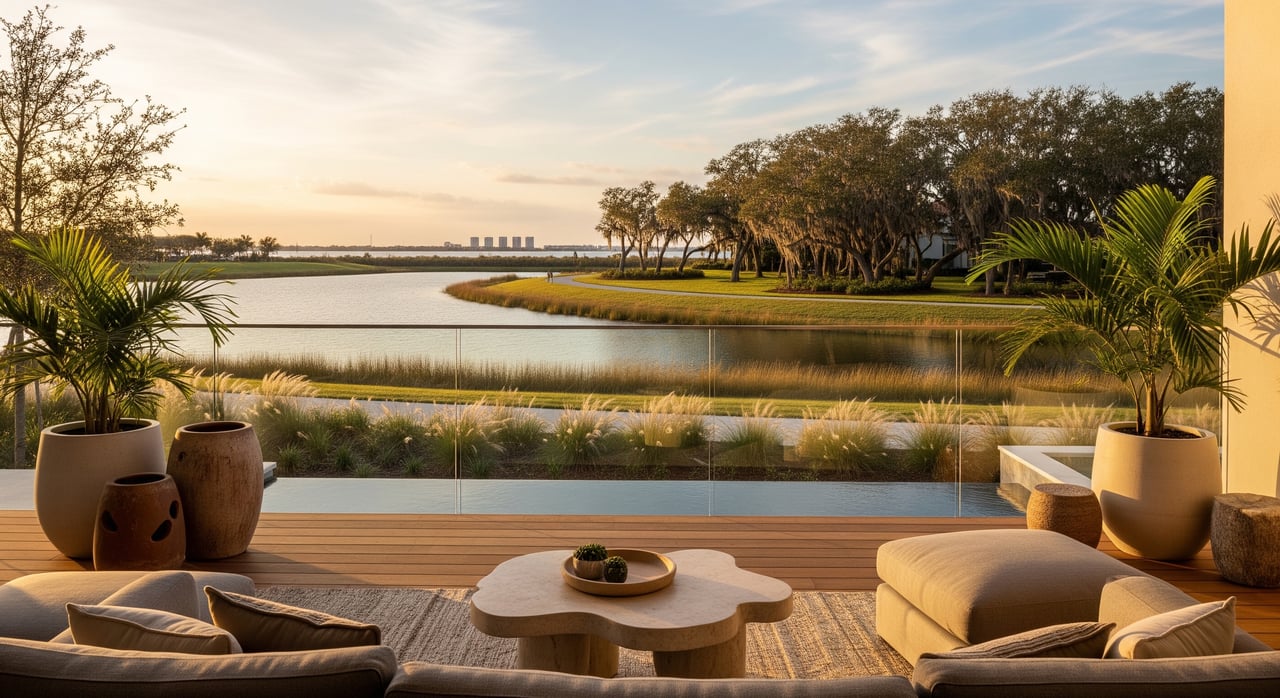
Downtown Sarasota living is shaped by a few major anchors. Daily life often revolves around Main Street, the Saturday Sarasota Farmers Market, the performing arts corridor, and The Bay, the 53-acre bayfront park project along Sarasota Bay referenced in downtown materials.
For you, that can mean being able to walk to coffee, dinner, galleries, market errands, theater, and open green space near the water. If that kind of routine is your priority, downtown Sarasota offers several ways to live close to the action.
Compare Downtown Sarasota Areas
Here is a quick snapshot of how the main downtown pockets differ based on the research.
| Area | Best Known For | Typical Housing Style | Walkability Signal | Median Sale Price |
|---|---|---|---|---|
| Downtown Core | Bayfront access, restaurants, mixed-use urban living | Condo towers, townhomes, mixed-use buildings | Broader downtown score of 47 | $1,047,500 |
| Rosemary District | Art, dining, highly walkable routine | Newer condos, apartments, rowhouses, live-work | Walk Score 88 | $620,000 |
| Laurel Park | Quiet residential setting near downtown | Historic one- and two-story homes, some older multifamily | Walk Score 86 | $910,995 |
| Gillespie Park | Character homes and park access | Bungalows, cottages, modern infill | Walk Score 87 | $616,750 |
| Burns Court | Historic shop-and-walk pocket | 1920s-era bungalows and small-scale buildings | Not separately tracked in sources | Not standardized in sources |
| Park East | Infill and redevelopment area | Duplexes, triplexes, cottage courts, townhomes | Not highlighted in source set | $159,000 |
Downtown Core: Most Urban Feel
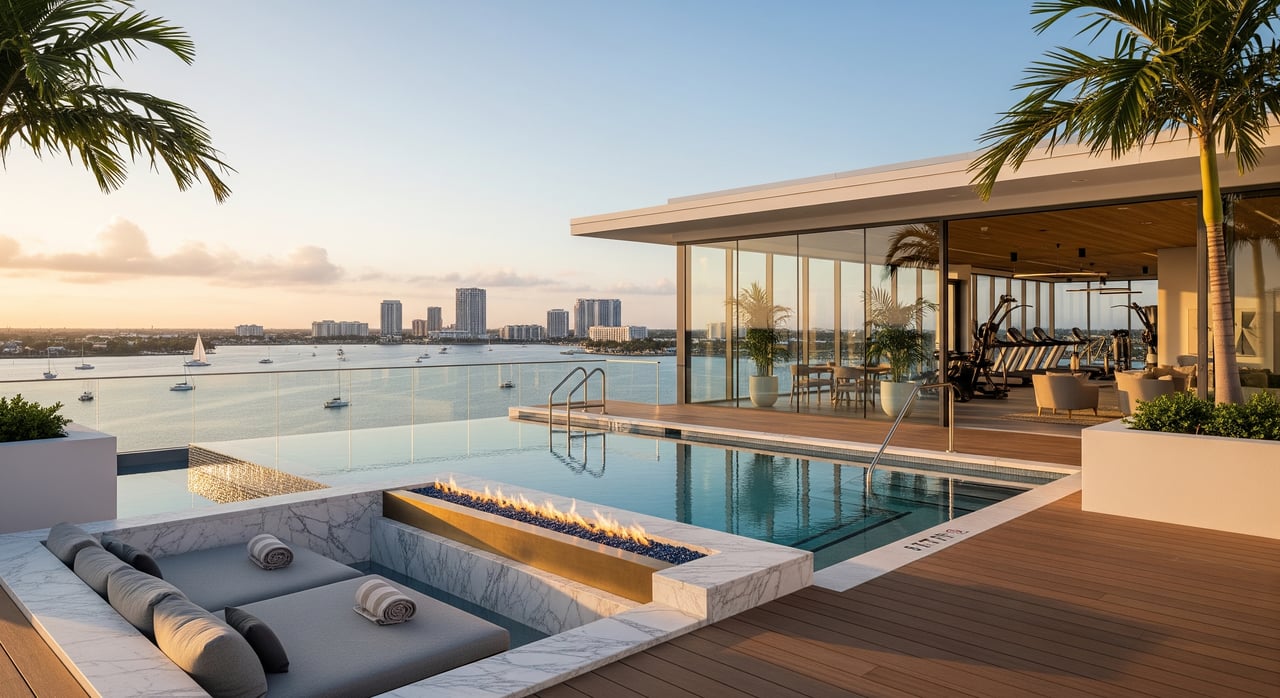
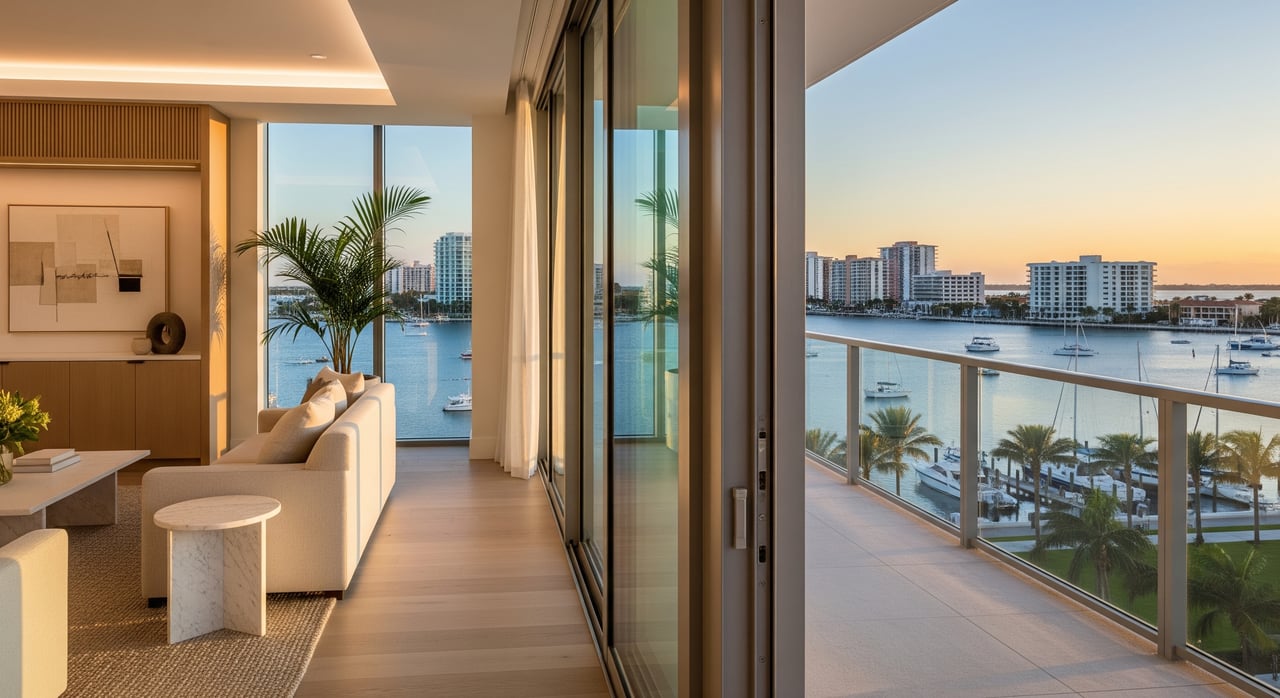
If you want the most traditional urban experience, the Downtown Core is the clearest match. The city plan describes it as a fully mixed-use district intended for homes, workplaces, retail, restaurants, civic uses, and cultural facilities, with building heights up to 10 stories.
The housing mix reflects that vision. According to Redfin’s Downtown Sarasota market data, the area had a February 2026 median sale price of $1,047,500, with 81 condos for sale at a median listing price of $1.1M. Recent condo inventory ranged from roughly $465,000 to $3.3M, showing a broad range within a condo-heavy market.
This area may fit you best if you want newer vertical living, proximity to bayfront programming, and easy access to restaurants and cultural venues. It is less ideal if your top priority is a detached home or a quieter streetscape.
Who the Downtown Core Fits
The Downtown Core often works well for buyers who want:
- A condo or attached home
- A low-maintenance lifestyle
- Close access to dining and cultural venues
- Proximity to the bayfront and downtown events
- A more urban setting over a neighborhood feel
Rosemary District: Best Walk-Out-the-Door Lifestyle
If walkability is high on your list, the Rosemary District stands out. Walk Score lists Rosemary at 88 and identifies it as Sarasota’s most walkable neighborhood in its data set.
It also has a strong creative and culinary identity. Visit Sarasota’s arts trail highlights destinations tied to the neighborhood’s daily feel, including the Westcoast Black Theatre Troupe, mural tours, Arts & Central, and The Sarasota Modern.
From a housing standpoint, the city places Rosemary within an urban edge framework that allows apartments, condos, rowhouses, live-work structures, restaurants, retail, offices, entertainment, and cultural uses. The city plan notes residential density that can range higher here than in many nearby areas, along with building heights generally up to 5 stories and up to 7 stories in the overlay.
Price-wise, Rosemary is generally more accessible than the Downtown Core while still feeling central. Redfin’s Rosemary District data shows a February 2026 median sale price of $620,000, with examples ranging from smaller condos around $260,000 to $399,000 and higher-end properties above $1M.
Who Rosemary Fits
Rosemary may be a strong fit if you want:
- A highly walkable routine
- Dining and arts close to home
- Newer mixed-use buildings
- A downtown-adjacent location with more price range than the core
- Convenience over a historic bungalow setting
Laurel Park: Residential and Historic
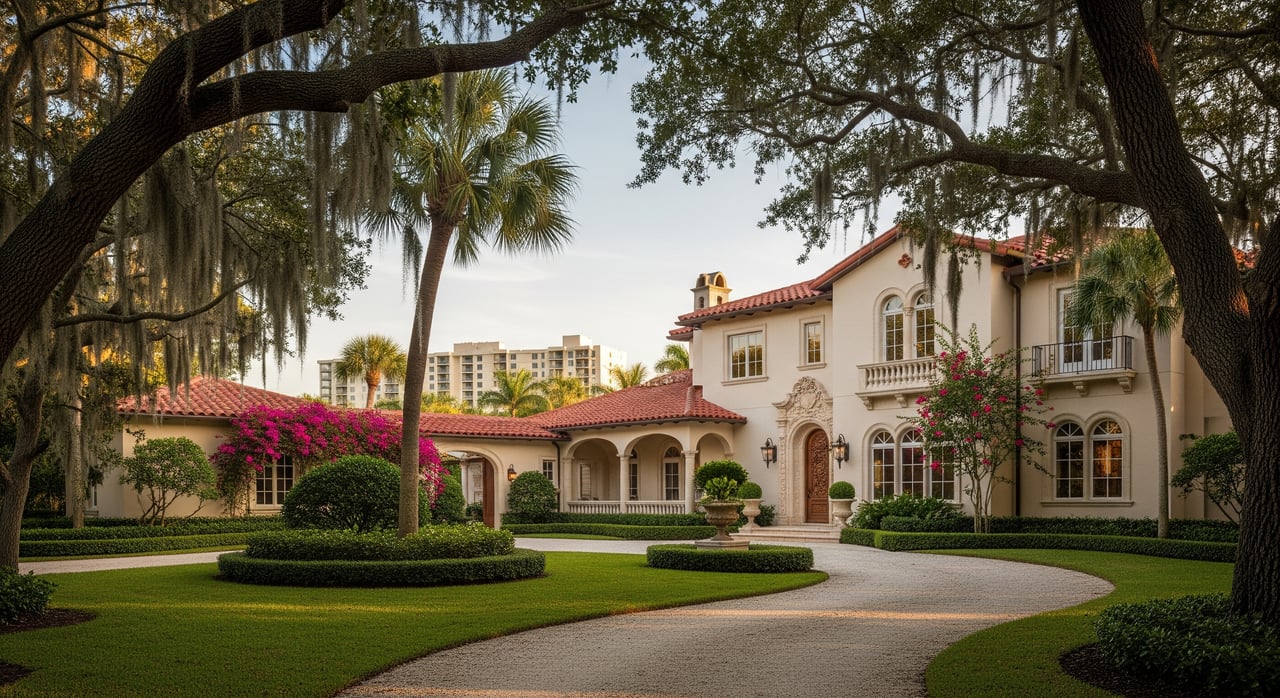
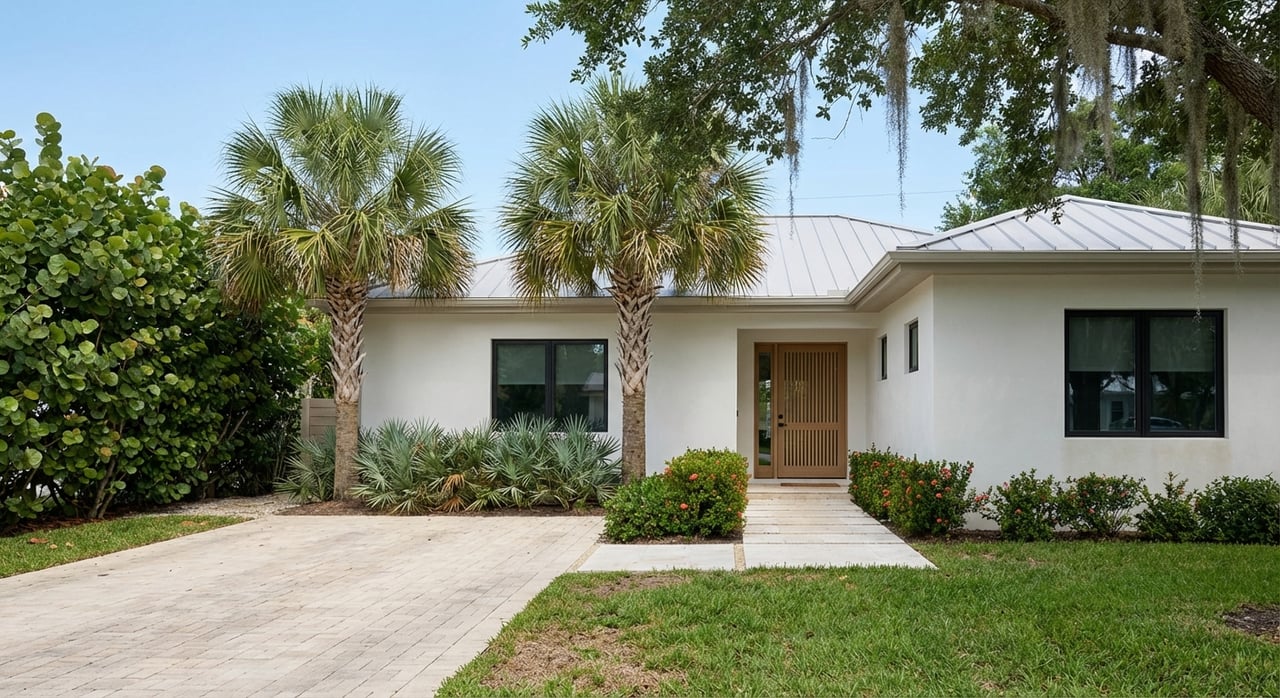
Laurel Park feels different from the mixed-use districts nearby. The city plan describes it as a mixed residential area characterized by one- and two-story detached houses, with a long-term vision of remaining primarily single-family residential.
That gives Laurel Park a quieter, more residential feel while still keeping you close to downtown. The plan also notes the value of retaining historic apartment buildings, which helps explain the area’s blend of older homes and some multifamily properties.
On paper, it remains quite walkable. Walk Score lists Laurel Park at 86, while market data cited in the research shows a February 2026 median sale price of $910,995 and townhome median listing pricing around $889,000.
Who Laurel Park Fits
Laurel Park may be right for you if you want:
- A residential setting near downtown
- Historic character and lower-scale homes
- Strong walkability without living in the densest core
- A detached home feel over a tower lifestyle
Gillespie Park: Character and Green Space
Gillespie Park gives you another strong option just north of the core. The Gillespie Park Neighborhood Association describes the area as a blend of Craftsman bungalows, Mediterranean Revival, and modern architecture, with guest cottages and accessory structures on garden lots.
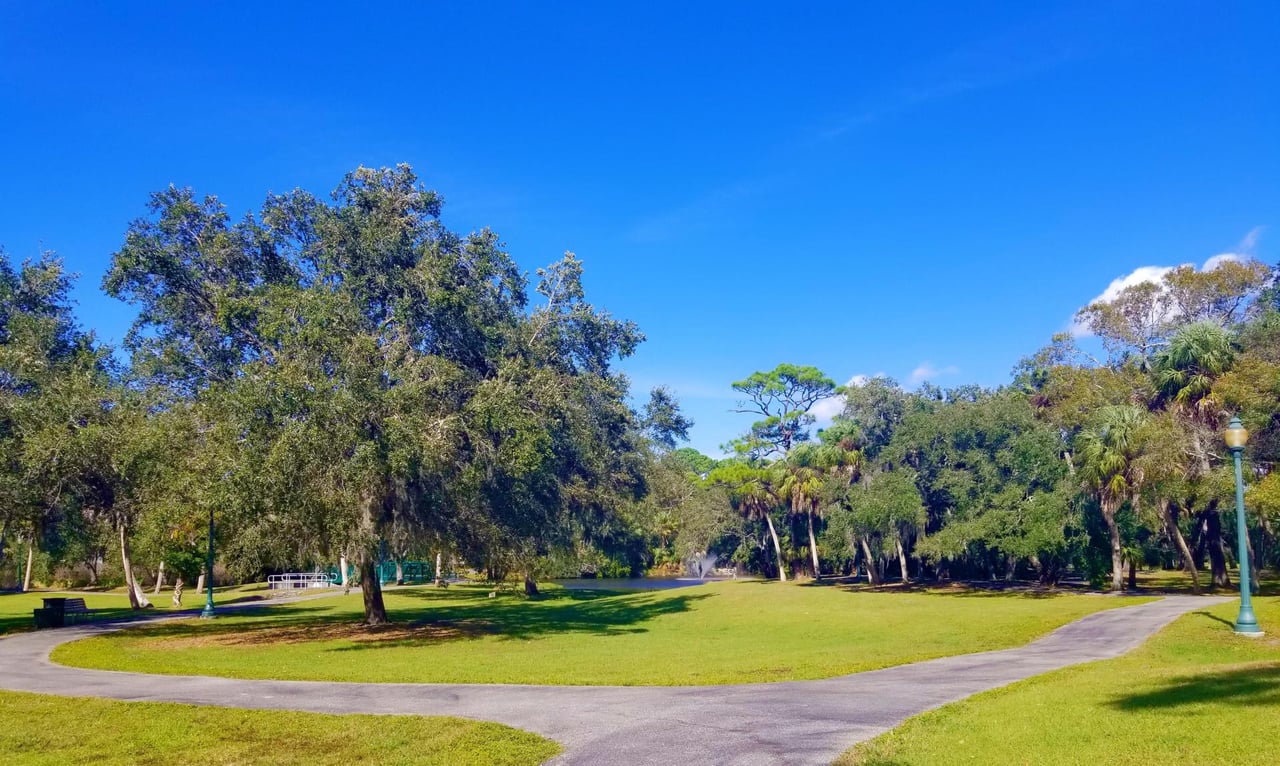
Lifestyle here is shaped in part by the neighborhood’s namesake park. The same source highlights the 10-acre park, walking trails, dog park, and mature oak canopy, all of which contribute to a more residential rhythm while keeping downtown close.
It is also one of the more walkable pockets in the area. Redfin’s Gillespie Park page shows a Walk Score of 87, a Bike Score of 74, and a February 2026 median sale price of $616,750. Recent sold homes ranged from about $475,000 to $2.1M, which suggests meaningful variety in size, condition, and design.
Who Gillespie Park Fits
Gillespie Park could be a good fit if you want:
- Architectural variety
- A neighborhood setting with park access
- Good walkability and bike access
- Cottage, bungalow, or infill-home options
- A more relaxed feel near downtown amenities
Burns Court: Small-Scale Historic Charm
Burns Court is one of downtown Sarasota’s most distinctive lifestyle pockets. Visit Sarasota describes it as an artsy enclave south of Main Street with 1920s-era bungalows, vintage and antique shops, cafes, and an independent cinema.
The city also treats Burns Court and Herald Square as a distinct neighborhood where new development should be especially sensitive to surrounding character. That is a strong clue that this area is more about preserving a small-footprint historic feel than creating a large new inventory pipeline.
Because the source set did not include a standardized neighborhood-level pricing series for Burns Court, it is best understood as a character district rather than a stand-alone market bucket. If you are drawn to intimate streets, older buildings, and a shop-and-walk atmosphere, Burns Court deserves a look.
Park East: Infill and Future Potential
Park East is different from the historic districts and condo-heavy core. The city plan identifies it as a missing-middle overlay area intended to encourage duplexes, triplexes, cottage court homes, townhomes, and multi-dwelling structures in a walkable neighborhood.
That makes Park East more of an infill and redevelopment story. In the research set, Redfin data cited a February 2026 median sale price of $159,000, far below the other downtown-adjacent areas listed here, which points to a very different product mix.
If you are comparing downtown Sarasota options, Park East should be viewed through the lens of evolving housing types and redevelopment potential, not as a classic historic enclave or luxury condo district.
How To Choose the Right Downtown Area
If you are still narrowing things down, start with how you want your day to feel. Your best match often becomes clearer when you focus on routine, housing style, and budget together.
Choose Downtown Core if You Want
- The most urban environment
- Condo living and mixed-use buildings
- Bayfront access and cultural venues nearby
- A premium downtown price point
Choose Rosemary if You Want
- The strongest walkability in the group
- Easy dining and arts access
- Newer mixed-use housing options
- More pricing flexibility than the downtown core
Choose Laurel Park if You Want
- A quieter residential setting
- Historic homes and lower-scale streets
- Walkability with a more neighborhood-oriented feel
- A location close to downtown without living in towers
Choose Gillespie Park if You Want
- Character homes and architectural variety
- Park access as part of your daily routine
- Strong walkability and bike access
- A residential pocket near the urban core
Choose Burns Court if You Want
- Historic charm and an intimate scale
- Local shops, cafes, and cinema nearby
- A distinctive lifestyle pocket over a large inventory base
Choose Park East if You Want
- A neighborhood shaped by infill development
- Missing-middle housing types
- A different price point and product mix than the rest of downtown
Final Thoughts on Living Downtown Sarasota
The biggest takeaway is simple: downtown Sarasota offers several ways to live urban, and each one serves a different kind of buyer. Some areas are centered on condo convenience and bayfront access, while others lean toward walkability, historic character, or lower-scale residential living.
If you want help comparing downtown Sarasota neighborhoods based on your budget, lifestyle, and housing goals, the team at The LaMaida Group can help you sort through the options with local insight and a tailored strategy.
FAQs
What is the most walkable neighborhood in downtown Sarasota’s urban core?
- Based on the research sources, the Rosemary District has the highest walkability signal, with a Walk Score of 88.
What type of homes are common in Downtown Sarasota’s core?
- The Downtown Core is dominated by condos, townhomes, and mixed-use residential buildings rather than detached single-family homes.
How does Laurel Park differ from the Downtown Core in Sarasota?
- Laurel Park is more residential and lower-scale, with one- and two-story homes and a historic character, while the Downtown Core is more urban and condo-focused.
Is Gillespie Park a good option near downtown Sarasota?
- Gillespie Park offers strong walkability, park access, and a mix of bungalows, cottages, and newer infill homes close to downtown.
What makes Burns Court unique in downtown Sarasota?
- Burns Court stands out for its 1920s-era bungalows, small shops, cafes, independent cinema, and historic village-like feel.
What should buyers know about Park East in Sarasota?
- Park East is best understood as an infill and redevelopment area with missing-middle housing types such as duplexes, triplexes, cottage courts, and townhomes.